Sunday, October 04, 2026
.jpeg)
 Data-driven hiring decisions rely on analytics, structured assessments, and predictive metrics to improve recruitment accuracy. When supported by responsible data use and human judgment, talent acquisition becomes more strategic, fair, and aligned with long-term organizational performance goals.




The recruitment process has been very subjective based on hunch, experience and the first impressions during the interview process. Nowadays, the approach is challenged. Analytics, systematic evaluation, quantifiable names are becoming gaining support and influence in decision-making. Information is not being utilized to eliminate human opinion, but rather to polish it and ensure the results are more predictable.
Why Data-Driven Hiring Is Reshaping Talent Acquisition
The traditional method of recruitment has always been dependent on resumes, interviews, and subjectiveness. Even though experience is still important, inconsistencies have been noted. Discrimination, hasty judgment and inadequate methods of evaluation have simply plagued the caliber of hiring. Guesswork cannot be maintained as competition of skilled professionals is growing.
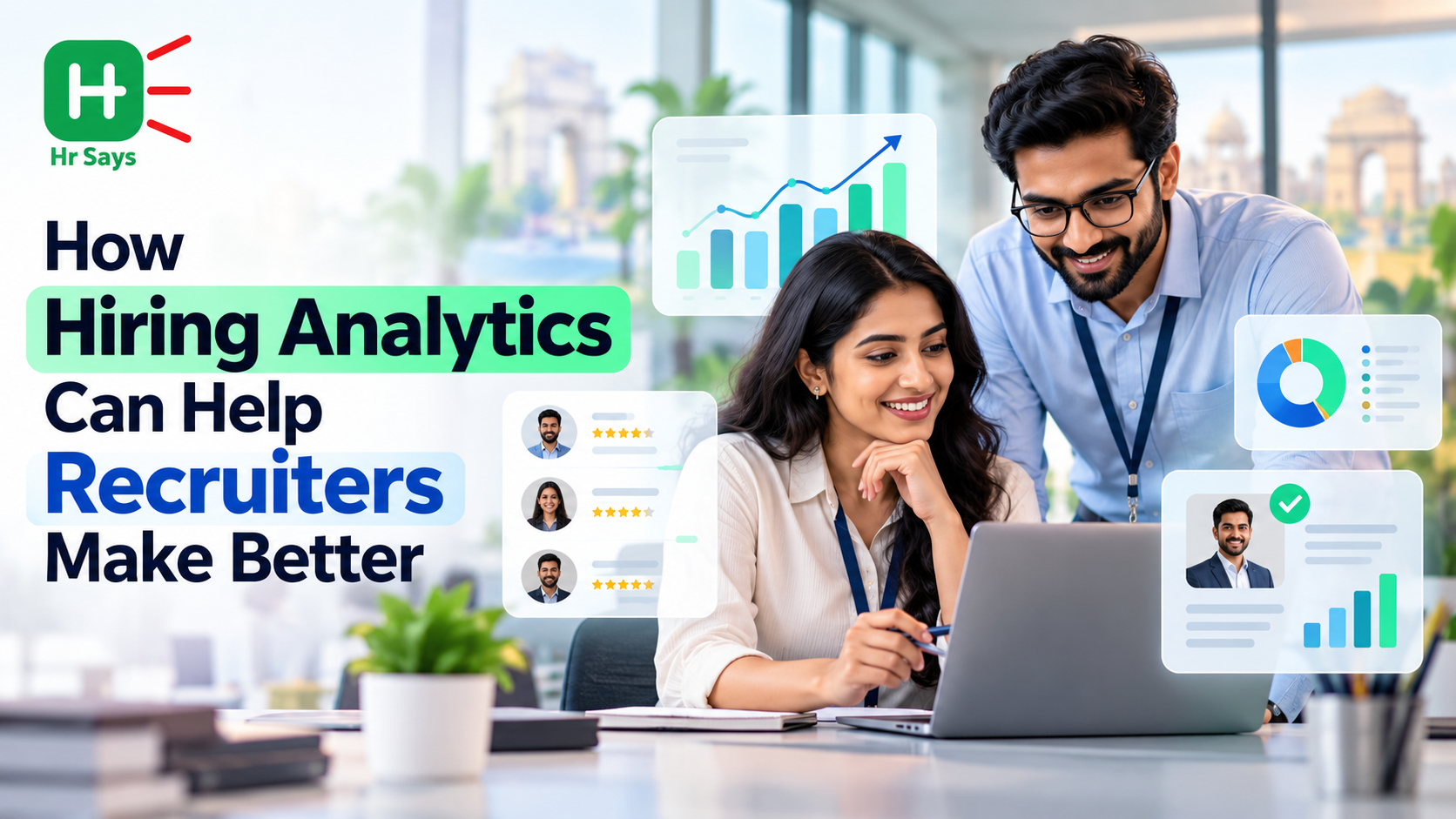
Hiring decision making processes are being embraced to enhance accuracy and efficiency. Trends are examined in the previous recruitment periods. Measures of time-to-hire, quality-of-hire and candidate conversion rates are monitored. The organizations are determining the accurate predictors of long-term performance through recruitment analytics.
Several hiring trends have contributed to this shift:
● Increased use of applicant tracking systems
● Integration of AI in recruitment workflows
● Growth of predictive analytics in HR
● Focus on diversity hiring metrics
● Expansion of skills-based hiring models
When talent acquisition strategies are supported by workforce data, hiring outcomes are seen to improve gradually. Better alignment between job requirements and candidate capabilities is achieved. Recruitment becomes less reactive and more strategic.
How Data Is Actually Used in Hiring Processes
Data-driven recruitment does not simply mean collecting numbers. It involves structured evaluation at multiple stages of the hiring funnel. Each step is measured and refined.
Candidate Sourcing Analytics
Data from job boards, social media recruiting platforms, and employee referrals is tracked. The most effective sourcing channels are identified. Budget allocation is then optimized based on performance data.
Skills-Based Assessments
Objective assessment tools are being used more widely. Instead of relying solely on degrees or previous job titles, candidates are evaluated through:
● Online skill assessments
● Cognitive ability tests
● Work sample tasks
● Structured interview scorecards
Through these tools, hiring bias is reduced and job-fit accuracy is improved.
Predictive Performance Metrics
Historical employee data is analyzed to identify high-performing traits. Patterns related to tenure, productivity, and engagement are studied. Predictive hiring models are then developed to forecast candidate success probability.
Diversity and Inclusion Tracking
DEI analytics have become central to modern HR strategy. Representation ratios, hiring funnel drop-offs, and interview panel diversity are measured. Gaps are identified, and corrective strategies are implemented using evidence rather than assumptions.
Benefits and Limitations to Consider
When recruitment data is used responsibly, several advantages are observed:
● Reduced time-to-fill positions
● Improved quality-of-hire
● Better candidate experience tracking
● Enhanced workforce planning
However, limitations must also be acknowledged. Data quality can be inconsistent. Algorithms may replicate historical bias if not monitored carefully. Human judgment should not be replaced, but strengthened through evidence-based insights.
Balanced hiring decisions are achieved when intuition is informed by analytics. Data should guide the process, not control it.
Conclusion
Data-driven hiring decisions are transforming modern HR practices. Recruitment is being shaped by measurable insights rather than assumptions. When analytics, structured evaluation, and human understanding are combined, smarter and fairer hiring outcomes can be created. Precision is improved, and long-term workforce success becomes more achievable.