 Sunday, October 04, 2026
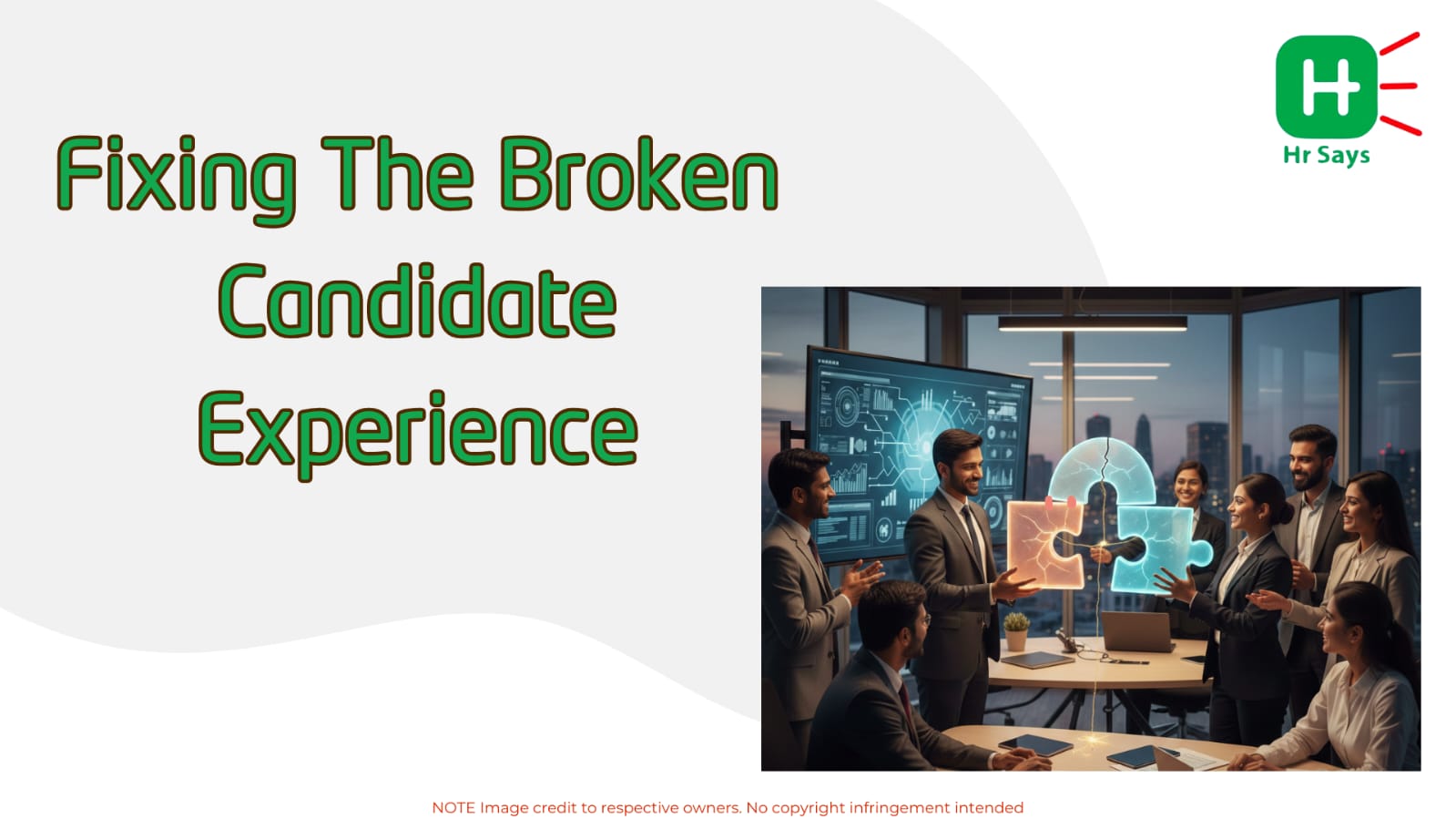
 A broken candidate experience damages employer branding and talent acquisition outcomes. By improving communication, transparency, and structured hiring practices, organizations can rebuild trust, strengthen recruitment strategy, and create a respectful hiring journey that benefits both candidates and employers.




Recruitment has been computerized, streamlined and automated. But a something vital has been slumbering hurt. Candidates submit applications, wait and in many cases they fade away in the silence. It is an interchange experience, rather than a relationship experience. In case recruitment is a brand dialogue, then, again, many organizations talk a lot but do not listen.
The Silent Drop-Off: Where Candidate Experience Breaks
A job application is not a mere submission anymore. It is a way of making an emotional investment. Time is wasted in resume customizing, portfolio making, and employer branding symptomatic research. Trust is silently taken away in case no feedback is received.
In the present day competitive talent acquisition process, the candidates are demanding transparency and expeditions. Nevertheless, there is a lot of pain in form of long application forms, time wastage in scheduling interviews, and automated rejection messages. There is a tendency to make the hiring process impersonal.
Common friction points include:
● Lengthy and repetitive application portals
● Poor communication during interview stages
● Lack of transparency about salary, timelines, or feedback
● Ghosting after final interviews
Digital recruitment tools have improved efficiency, but empathy is often reduced. Applicant tracking systems manage data well, yet candidate engagement is rarely prioritized. The result is a damaged employer brand.
A broken candidate experience is not loud. It is silent. Applications simply stop coming.
Why Candidate Experience Is A Strategic Priority
It is often assumed that only selected candidates matter. In reality, every applicant influences brand perception. Reviews on platforms like LinkedIn and Glassdoor are written. Social media discussions are shared. Recruitment marketing is shaped by word of mouth.
Candidate experience has become a business metric. It affects:
● Quality of hire
● Offer acceptance rates
● Diversity hiring outcomes
● Long term brand reputation
In the era of remote hiring and hybrid workplaces, competition for skilled talent has intensified. A seamless interview process is now expected, not appreciated.
A thoughtful hiring journey can be designed through:
Transparent Communication
Clear timelines should be shared at the beginning. Automated updates can be personalized. Even rejection emails can be written with respect. Closure is valued.
Structured And Fair Interviews
Interview panels should be trained. Questions should align with job roles. Bias must be consciously reduced. Structured hiring improves both experience and decision quality.
Feedback Loops
Short post interview surveys can be used to measure candidate satisfaction. Recruitment analytics should not only track time to hire but also candidate sentiment.
When hiring is treated as a two way evaluation, relationships are built. Trust grows slowly, but it is remembered.
Practical Steps To Repair The Hiring Journey
Fixing the candidate experience does not require a complete overhaul. Small, consistent changes can be implemented.
● Simplify job descriptions and remove unnecessary jargon
● Optimize career pages for mobile accessibility
● Reduce the number of interview rounds
● Share interview preparation guidelines in advance
● Provide realistic timelines and stick to them
Technology should support connection, not replace it. Chatbots can assist, but human follow up must be maintained. Recruitment strategy should balance automation with empathy.
A strong employer brand is not built through campaigns alone. It is built through moments of respect.
When candidates feel informed and valued, they may reapply in the future. Even rejection can strengthen loyalty if handled with dignity.
Hiring is remembered. Silence is remembered more.
Conclusion
Candidate experience is no longer optional in modern talent acquisition. It influences employer branding, retention, and competitive positioning. When communication is improved and processes are simplified, hiring becomes more human. Efficiency matters, but dignity matters more.