 Sunday, October 04, 2026
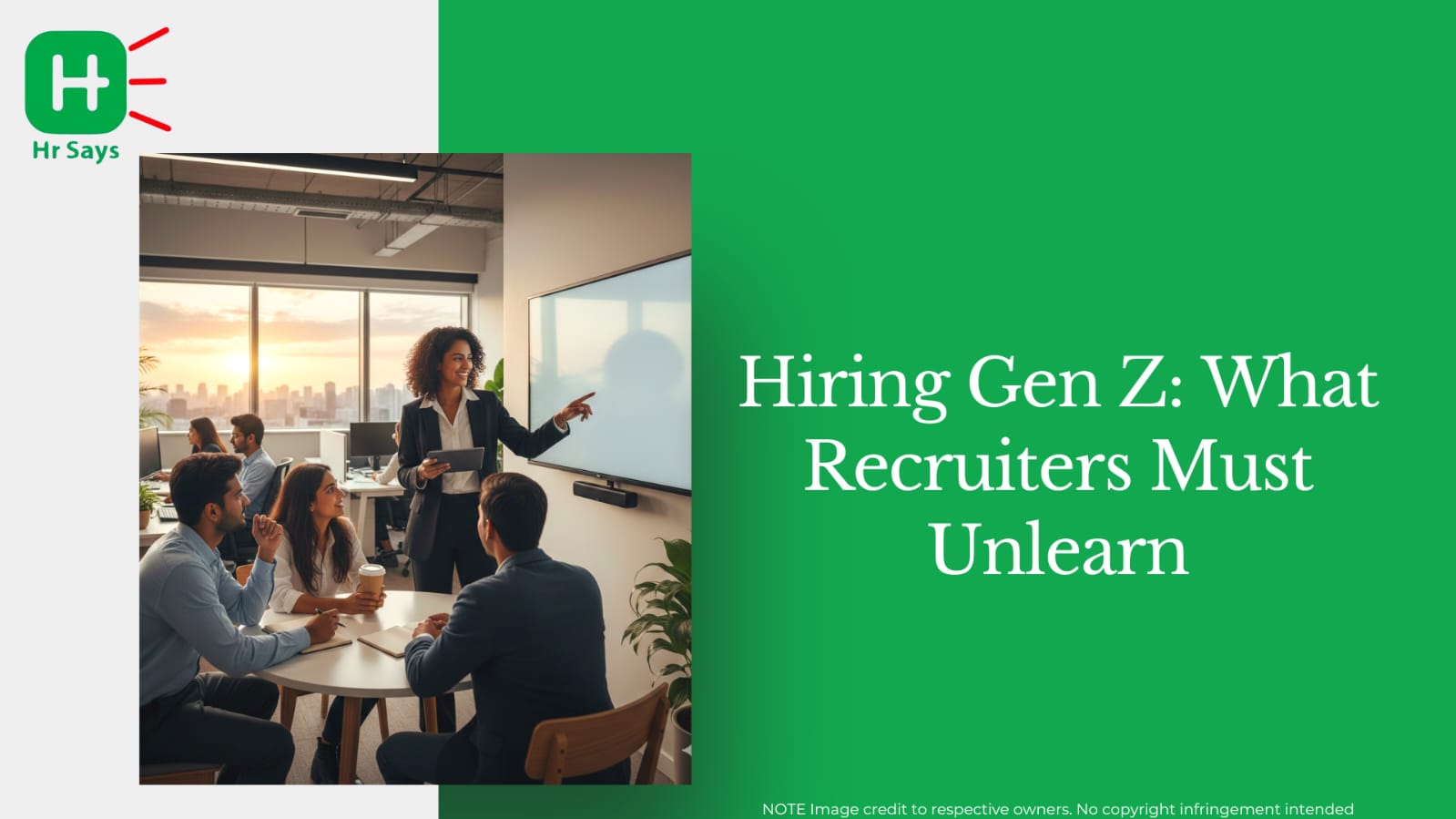
 Traditional recruitment practices are being tested by Gen Z expectations. Experience filters, loyalty assumptions, and rigid communication styles must be reconsidered. Skills-based hiring, transparency, flexibility, and collaborative culture are now central to attracting and retaining emerging talent.




The generation Z has come to work clearly, confidently, and with high expectations. Conventional job search formalities are being challenged. What used to work is now not being paid attention to. The recruiters are not failing but old trends are being put into question. Some of these habits have to be unlearned in order to attract and retain Gen Z talent.
Stop Valuing Experience Over Potential
The years of experience was a determinant in employing individuals over the years. There were strict job requirements that filled the job descriptions. Qualifications were favored. Stability was admired. The model has now started to be challenged.
Gen Z employees have skills, which they usually developed on the Internet rather than in the corporate offices. There are personal branding, content creation, freelance projects, digital collaboration and self-taught certifications. Nonetheless, they are other times regarded as informal.
Recruiters must reconsider how potential is assessed.
What Should Be Reconsidered
● Skills over tenure
● Portfolio over pedigree
● Adaptability over routine performance
● Learning agility over static knowledge
A skills-based hiring approach is being preferred across modern recruitment trends. Platforms like LinkedIn and AI-driven applicant tracking systems have already shifted screening methods. If outdated filters are still being used, strong Gen Z candidates may be screened out too early.
Potential should be identified in unconventional spaces. It is often hidden behind nontraditional resumes.
Rethink the Idea of Loyalty
Corporate loyalty used to mean staying in one organization for years. Frequent job changes were viewed as instability. Today, job mobility is normal. Career growth is being prioritized over long-term attachment.
Gen Z professionals are not necessarily disloyal. They are strategic. Work-life balance, mental health support, remote work flexibility, and meaningful roles are being evaluated carefully. If these are absent, exits are planned early.
Recruiters must unlearn the belief that tenure equals commitment.
What Gen Z Evaluates Before Accepting Offers
● Transparent salary structure
● Hybrid work model or remote work options
● Clear career path and skill development
● Inclusive workplace culture
● Strong employer branding
If these elements are missing, offer letters may be declined. Modern talent acquisition strategies must reflect these expectations. A strong EVP, consistent communication, and an authentic hiring process are now essential.
Move Beyond Formal Corporate Communication
Highly formal interviews can feel distant. Scripted conversations may create disconnect. Gen Z prefers clarity and directness.
Long waiting periods, vague feedback, and complex hiring stages are often interpreted as inefficiency. Digital-first communication is expected. Quick responses, structured feedback, and transparent timelines are appreciated.
Recruiters should review:
● Length of hiring cycles
● Tone of job descriptions
● Clarity in interview feedback
● Use of technology in recruitment
A candidate experience strategy is now central to employer success. If communication feels outdated, the employer brand is quietly affected.
Shift From Authority To Collaboration
Hierarchical leadership models are being questioned. Gen Z values collaboration, inclusion, and purpose-driven work. They prefer to contribute ideas early. They expect managers to be mentors, not distant supervisors.
Recruiters must assess whether organizational culture supports open dialogue. If rigid authority is deeply embedded, early disengagement may follow.
Workplaces are being evaluated for:
● Psychological safety
● Diversity and inclusion
● Continuous feedback culture
● Learning and development opportunities
If these are absent, even competitive salaries may not retain employees.
Conclusion
Hiring Gen Z is not about changing everything. It is about questioning inherited assumptions. Experience, loyalty, authority, and communication must be redefined carefully. When recruiters adapt thoughtfully, alignment is created. The future workforce is not difficult. It is simply different.