 Tuesday, November 17, 2026

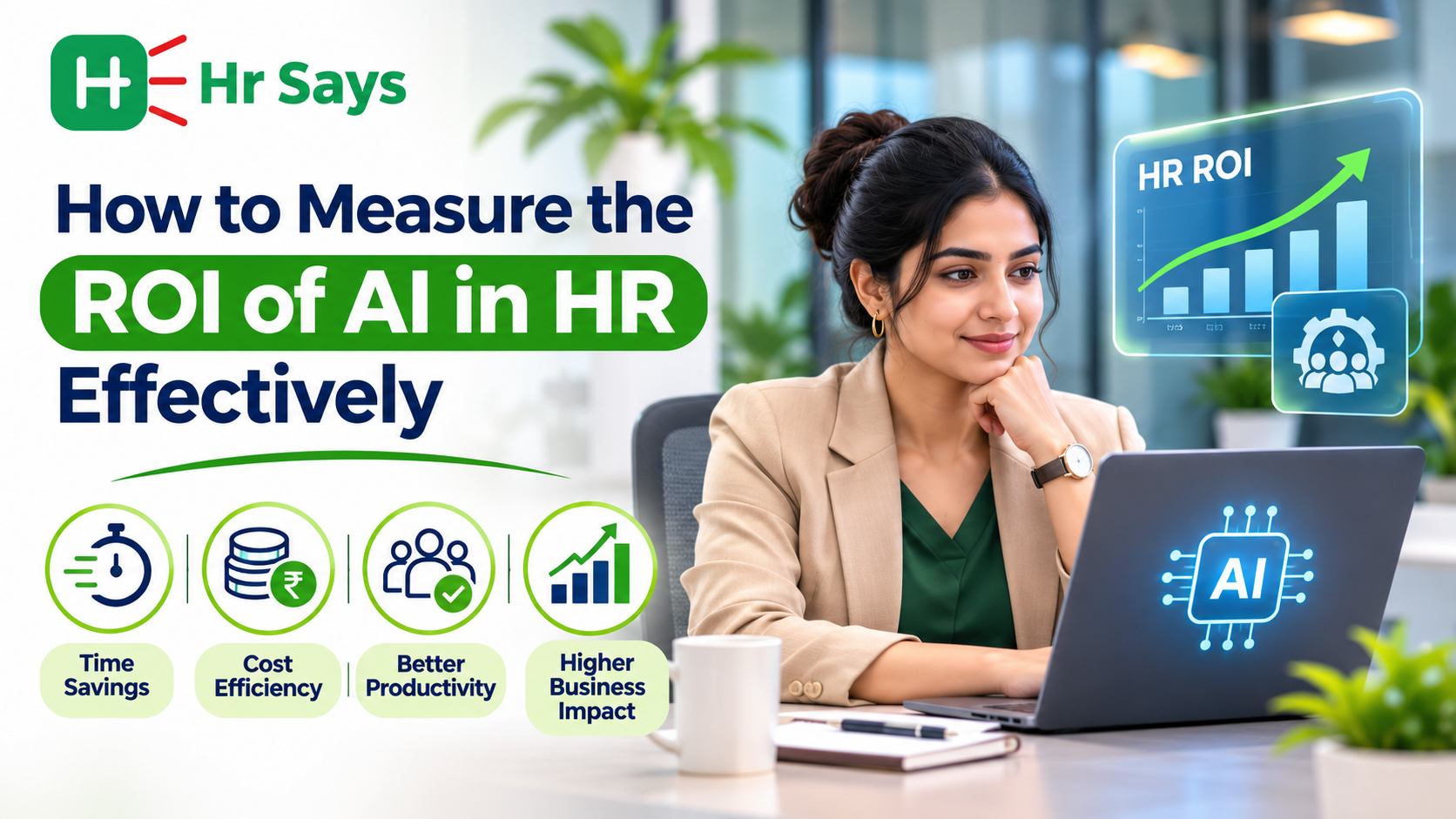
 Gen AI is redefining the HR landscape by automating hiring, training, and engagement. It
enhances decision-making, reduces bias, and improves efficiency while maintaining the crucial
human touch needed in people management.





Have you ever thought of an HR department in which a majority of the monotonous tasks will be performed automatically as the HR individuals pay attention to people rather than paperwork? That is precisely what the Generative AI (Gen AI) is doing that is altering the manner in which HR operates, converses, and develops in the contemporary workplace.
The Changing Face of HR in the AI Era
In the past, HR was perceived as only administrative and responsive. It is now turning out to be strategic and predictive. It is possible, which is facilitated by gen AI. Automation alters the process of employee attraction, involvement, and retention at every tier in the staff, including the hiring process. The HR members do not simply manage people anymore; they use AI insights to create stronger and more data-driven organizations.
Transforming Recruitment and Talent Acquisition
Hiring has always been time-consuming. With Gen AI, it’s becoming precise and bias-aware. AI tools now screen resumes, analyze skills, and even write job descriptions that attract the right talent. Recruiters can focus on conversations rather than spreadsheets.
Key changes include:
● Automated resume screening that identifies high-potential candidates in minutes.
● Predictive analytics that help forecast employee success and turnover.
● Chatbots enhancing candidate engagement through quick, human-like responses.
The result is faster, more inclusive hiring with fewer human errors and reduced unconscious bias.
Learning, Development, and Performance Growth
Gen AI is reshaping employee training. Personalized learning paths and AI-powered coaching are replacing one-size-fits-all programs. Employees can now access real-time learning suggestions based on their performance or role.
Modern Learning & Development (L&D) powered by Gen AI focuses on:
● Adaptive learning modules tailored to individual goals
. ● Microlearning delivered through conversational AI.
● Skill mapping that aligns employee growth with business needs.
It’s not about replacing trainers; it’s about enhancing how people learn and grow.
Enhancing Employee Experience and Engagement
Employee experience has become the new HR currency. Gen AI-driven platforms analyze sentiment, predict burnout, and suggest timely actions to improve morale. AI in employee engagement ensures that HR teams understand workforce emotions without invasive surveys.
Some real-world uses include:
● Sentiment analysis from feedback and communication channels.
● AI-powered surveys that adapt questions dynamically.
● Automated well-being recommendations based on engagement data.
These insights help organizations take proactive steps to maintain a motivated, connected workforce.
Streamlining HR Operations
Routine HR activities like payroll, leave management, and query handling are now automated using AI chatbots and virtual assistants. These tools provide quick answers and free HR teams from repetitive tasks.
Moreover, Gen AI supports:
● Policy automation for faster decision-making.
● Predictive HR analytics that guide future workforce planning.
● Data-driven dashboards offering real-time HR metrics.
Efficiency is no longer a luxury—it’s a Gen AI standard.
Ethical and Human Considerations
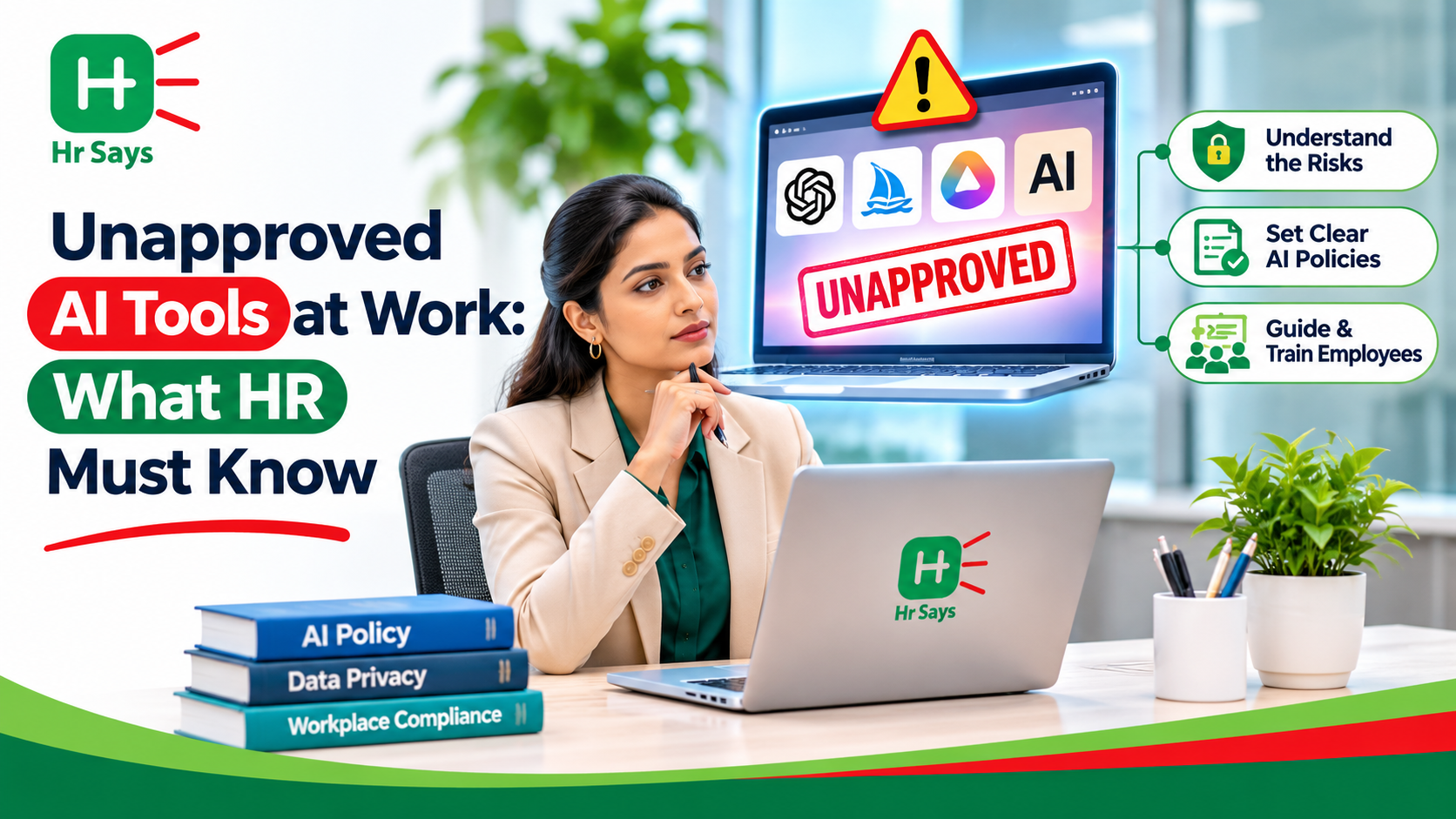
Despite the advantages, there’s a need for balance. Overreliance on AI may reduce human empathy in decision-making. Data privacy and algorithmic bias remain pressing concerns. The future of HR depends on finding that equilibrium—where technology empowers but doesn’t dominate.
Conclusion
The HR world is undergoing a quiet revolution. Gen AI isn’t replacing humans—it’s helping them work smarter. As organizations embrace this change, success will depend on how responsibly they integrate AI into their people strategies. The future of HR lies in partnership: human intuition guided by intelligent machines.