 Saturday, October 24, 2026

 A yearly HR audit improves compliance, transparency, and workforce productivity. It helps
identify gaps in recruitment, engagement, and performance systems, ensuring policies and
processes remain efficient, updated, and aligned with organizational goals.
A yearly HR audit improves compliance, transparency, and workforce productivity. It helps
identify gaps in recruitment, engagement, and performance systems, ensuring policies and
processes remain efficient, updated, and aligned with organizational goals.




How to Audit Your HR Function Every Year for Better Efficiency
Have you ever questioned whether your HR processes are actually driving performance or just running on autopilot? Annual HR audits help reveal inefficiencies, align strategies, ensure compliance, and strengthen your workforce foundation. It is not just a review, but a reset of organizational health.
Why an HR Audit Matters
An HR audit is not just paperwork, but an assessment of how well your people and processes interact. Over time, loopholes in recruitment, employee engagement, training, and compliance begin to appear. Auditing helps identify these areas before they turn into costly problems.
An annual HR function audit also boosts transparency and accountability. It ensures policies remain updated with labor laws and that your HR team is working toward measurable outcomes.
Key Areas to Focus During an HR Audit
Every HR department runs differently, but a few critical areas demand yearly evaluation. Each aspect contributes directly to efficiency, productivity, and compliance.
1. HR Policies and Compliance
Start by reviewing all employee policies, legal documents, and workplace regulations. Ensure alignment with current labor laws and data protection guidelines. Outdated policies often lead to conflicts or non-compliance issues.
Key checkpoints include:
-
Employee contracts and offer letters
-
Code of conduct and disciplinary policy
-
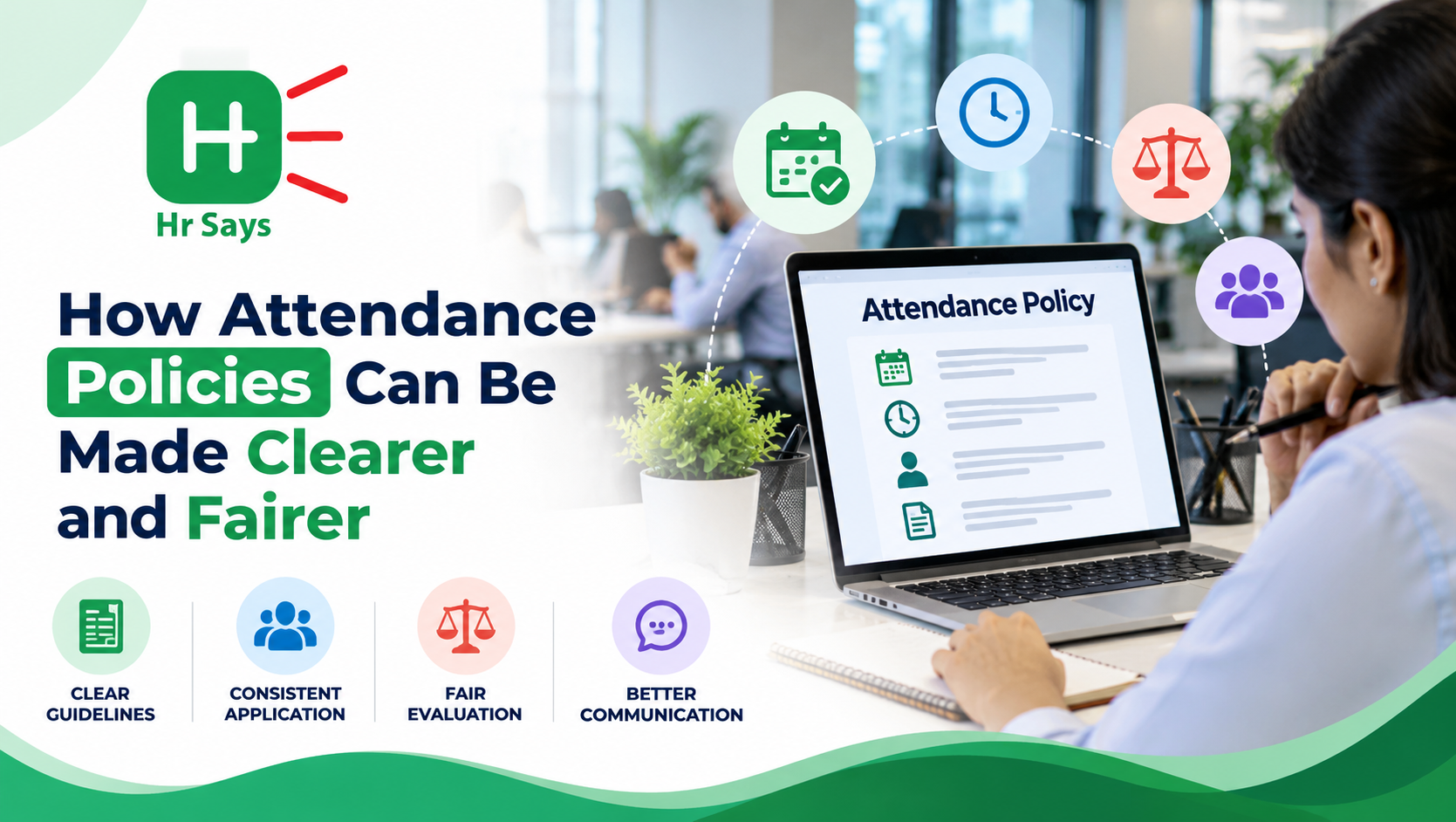
Leave and attendance policy
-
Workplace safety standards
2. Recruitment and Onboarding Efficiency
Your hiring strategy reflects your company’s first impression. Audit how job postings, interviews, and onboarding processes are handled. Check if they are streamlined, inclusive, and tech-friendly.
Assess:
-
Time-to-hire and cost-per-hire metrics
-
Candidate experience and feedback
-
Onboarding timelines and training materials
3. Employee Engagement and Retention
Audit engagement levels using surveys or one-on-one discussions. Look into turnover data and identify patterns—why employees leave or stay. Measure satisfaction and motivation across departments.
Points to analyze:
-
Exit interview insights
-
Recognition programs and rewards
-
Internal communication channels
4. Performance Management Systems
An outdated appraisal process can hold back talent growth. Review whether performance reviews are consistent, unbiased, and goal-oriented. Check if employees receive timely feedback and opportunities for skill development.
5. Payroll and Benefits Administration
Errors in payroll or delayed reimbursements often lower trust. Verify whether payroll systems are accurate, transparent, and compliant with tax regulations. Also assess if your benefits structure is competitive and inclusive.
How to Conduct the HR Audit
A systematic approach simplifies the process and ensures accuracy.
-
Set clear objectives: Define what you want to achieve—compliance, efficiency, or restructuring.
-
Collect data: Review HR records, employee feedback, and reports.
-
Compare benchmarks: Use industry standards to measure performance.
-
Analyze and report: Identify strengths and improvement areas.
-
Create an action plan: Prioritize changes and set deadlines for implementation.
Consistency matters. Conducting HR audits annually builds a culture of accountability and continuous improvement.
Conclusion
An HR audit is not a one-time exercise—it is an evolving strategy that keeps your organization adaptable and future-ready. Regular reviews create room for innovation, better decision-making, and greater trust among employees. In the long run, efficiency in HR operations shapes the culture and success of your company.