 Saturday, October 24, 2026
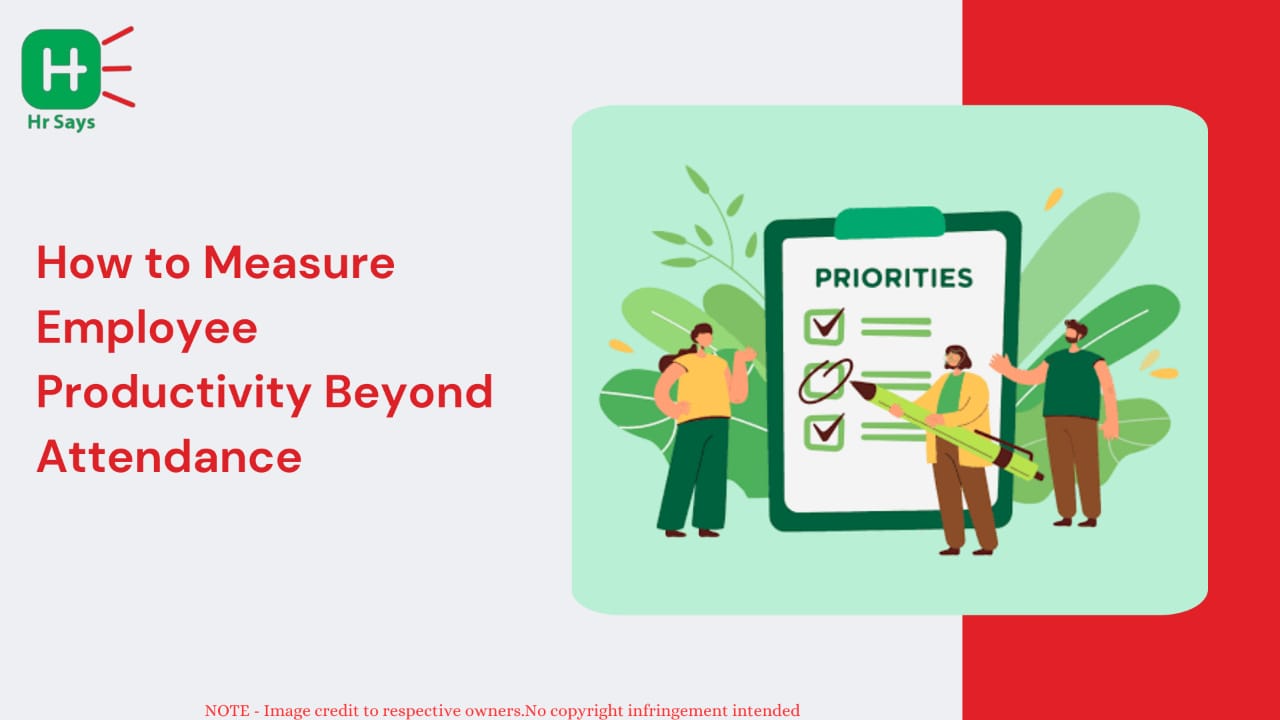
 This blog explains practical ways to measure employee productivity beyond attendance by
focusing on output, skills, engagement, and efficiency through a balanced and human centered
approach.
This blog explains practical ways to measure employee productivity beyond attendance by
focusing on output, skills, engagement, and efficiency through a balanced and human centered
approach.




Why are most leaders basing productivity on attendance when actual performance is much deeper? The question is commonly raised in work environments where unproductiveness, involvement, and productivity are valued over reporting to work punctually. In the present day, tracking of productivity in employees has been switched to meaningful metrics, smarter workflow, and performance that it impacts.
What Productivity Really Looks Like
Presence is no longer a definition of productivity. It is influenced by the quality of work, team goals contribution, and pressure-solving skills. On a brief visit to the workplace, it is evident to anyone that consistency, innovation, and ownership eloquence hours spent.
How To Assess Work Output
Good work carries signs that go beyond attendance sheets. A focus on results driven performance can reveal how employees actually contribute. Work output evaluation can highlight who takes accountability and who delivers value regularly.
Key indicators
• Accuracy of work
• Timeliness of submissions
• Completion of assigned goals
• Adaptability during high pressure tasks
Each point helps managers understand how effectively a task is handled from start to finish.
Tracking Skills And Competencies
Real productivity becomes visible when an employee uses skills to solve problems and improve processes. Competency based evaluation offers a clear picture of how work is done, not just whether it was done on time.
What to observe
• Technical proficiency
• Communication skills
• Decision making ability
• Initiative in daily tasks
These markers help teams identify growth areas and training needs.
Evaluating Engagement And Ownership
A productive employee usually shows signs of involvement. This is where engagement analytics and behavior patterns matter. An engaged individual takes responsibility, supports coworkers, and aligns with team objectives.
A sense of ownership can be spotted in small actions, such as suggesting improvements or stepping in during crucial moments. These hints reflect true work ethic.
Quality And Efficiency Metrics
Attendance never proves the quality of work delivered. Quality assessment and workflow efficiency tracking offer much stronger evidence. These metrics show how employees prioritize tasks, reduce errors, and maintain consistency even during busy periods.
Useful areas to monitor
• Error rate
• Customer feedback
• Time spent per task
• Rework frequency
When these are tracked well, managers get a real sense of how smoothly processes run.
Using Technology To Measure Productivity Smartly
Workplace analytics tools and employee performance platforms can give insights that are both clear and unbiased. These digital tools also reduce manual tracking efforts and encourage transparent communication.
Productivity measurement becomes simpler when tools generate visual reports that show progress, skill use, and workload balance.
Why A Holistic Approach Works
Relying solely on attendance can hide deeper problems. A broader approach reduces bias and brings fairness into performance tracking. It ensures that recognition, feedback, and rewards reach the right people.
A holistic method also encourages a culture where employees feel seen for their actual contributions, not just their presence.
Conclusion
Measuring employee productivity beyond attendance creates a workplace where quality, skill, and involvement matter. This approach encourages ownership, smoother workflows, and better teamwork. When the focus shifts from hours to impact, stronger outcomes follow naturally.