 Thursday, October 01, 2026
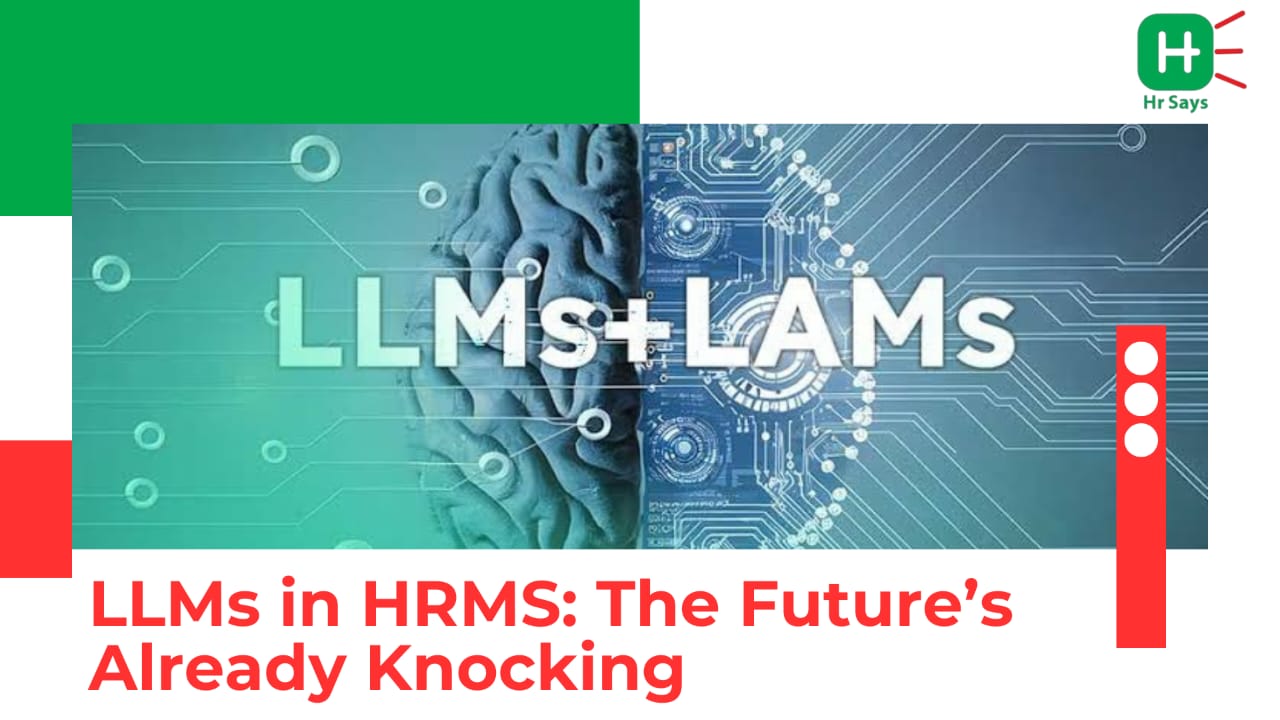
 LLMs are reshaping HRMS into intelligent, conversational, and adaptive systems. From smarter recruitment to real-time employee support, 2025 will redefine how HR tech works—and what HR teams focus on.




Is the HR prepared to the intelligent automation tidal wave? Now that 2025 is around the corner, large language models (LLMs) are not a hashtag that relates to the future anymore but rather they are progressively becoming ingrained in the manner in which Human Resource Management Systems (HRMS) execute. Let us look at what is changing, what is coming and what is taking us by surprise.
Reimagining HRMS With LLMs
The days of clunky dashboards and keyword-matching resumes are fading. LLMs are adding a layer of understanding, speed, and decision support HR teams didn’t know they needed—until now.
From Data Entry to Dialogue
LLMs are allowing HR tools to move beyond forms and filters. Instead of just collecting data, they can now:
● Interpret intent behind employee queries
● Offer context-aware answers
● Predict HR needs before they’re asked
Imagine an HRMS that talks, listens, learns, and acts. That’s where we’re headed.
Core Shifts Coming in 2025
By 2025, HRMS powered by LLMs will stop being “tools” and become “collaborators.” Several trends are pushing this shift forward.
1. Smarter Talent Acquisition
Recruitment is about to change—radically.
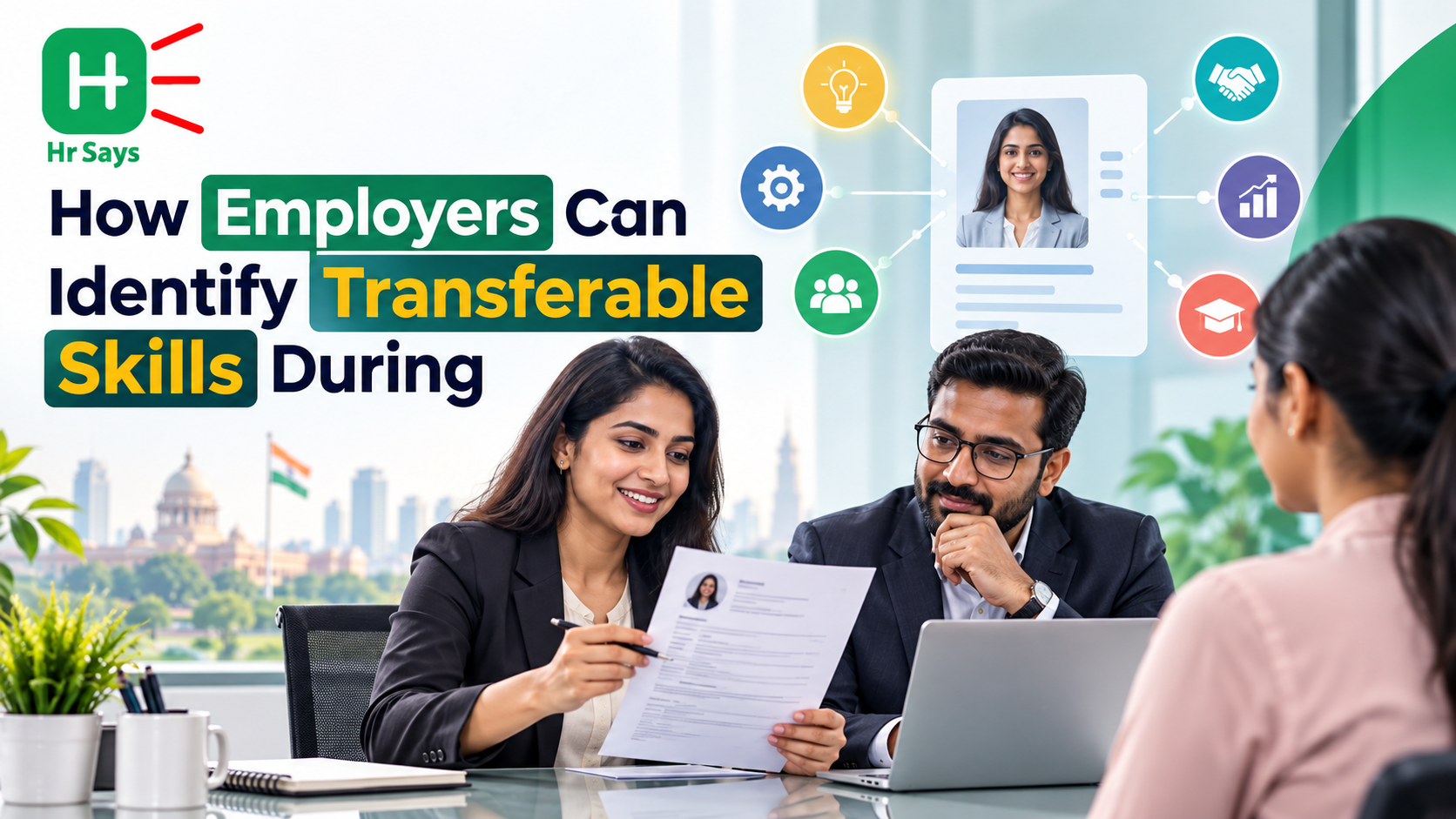
● Resume screening will move from keyword matching to context interpretation
● Candidate fit will be assessed based on tone, intent, and soft skills
● Personalized job descriptions will be crafted on the fly
LLMs won’t just filter. They'll understand.
2. Conversational Employee Portals
Forget static FAQs.
● Chat-based HRMS will give real-time answers, policy explanations, and document retrieval
● Queries like “How many leaves do I have left?” or “What’s our maternity policy?” will get human-like, context-rich replies
Employees won’t feel like they’re talking to a machine. Because they won’t be.
3. Learning & Development, Rewired
Training is going micro, real-time, and hyper-personalized.
● LLMs will suggest learning paths based on performance and goals
● They’ll summarize lengthy documents, create quizzes, and generate simulations
● Feedback will be instant, nuanced, and often invisible
Upskilling will no longer feel like homework. It’ll feel like growth.
Subtle but Game-Changing Impacts
Not all changes will be headline-worthy, but they’ll matter.
Bias Reduction—Or a New Kind?
LLMs can help reduce bias in hiring. But only if trained on clean, diverse data. Garbage in, garbage out still holds.
Policy Drafting Will Be Faster
Need a new WFH policy? The system can draft one in minutes, aligned to tone, brand, and law.
Employee Sentiment Tracking
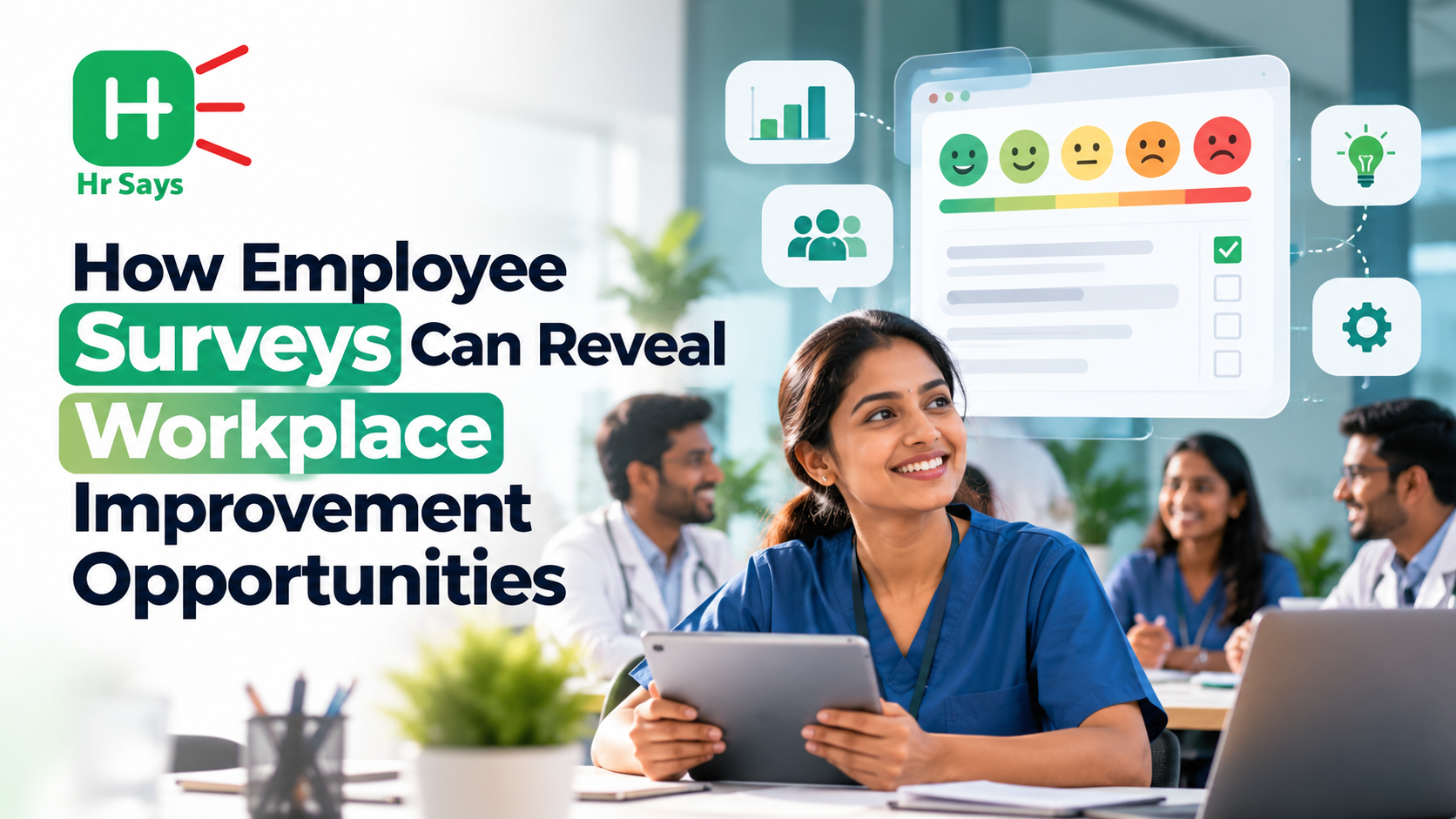
LLMs can scan internal chats or feedback forms for emotional tone and flag burnouts or disengagement early.
The Human Question
As systems get smarter, HR professionals will need to shift their focus. Less admin. More empathy. Less processing. More listening.
There will be tension. Fear of job loss. Confusion over accuracy. Questions about privacy.
But also relief. At last—time to do real HR work.
Conclusion
2025 won’t bring a tech overhaul—it’ll bring a mindset shift. LLMs in HRMS are not here to replace people. They’re here to help people work better, think faster, and support deeper. The tools are changing. But the goal remains the same: people first.