 Sunday, September 20, 2026
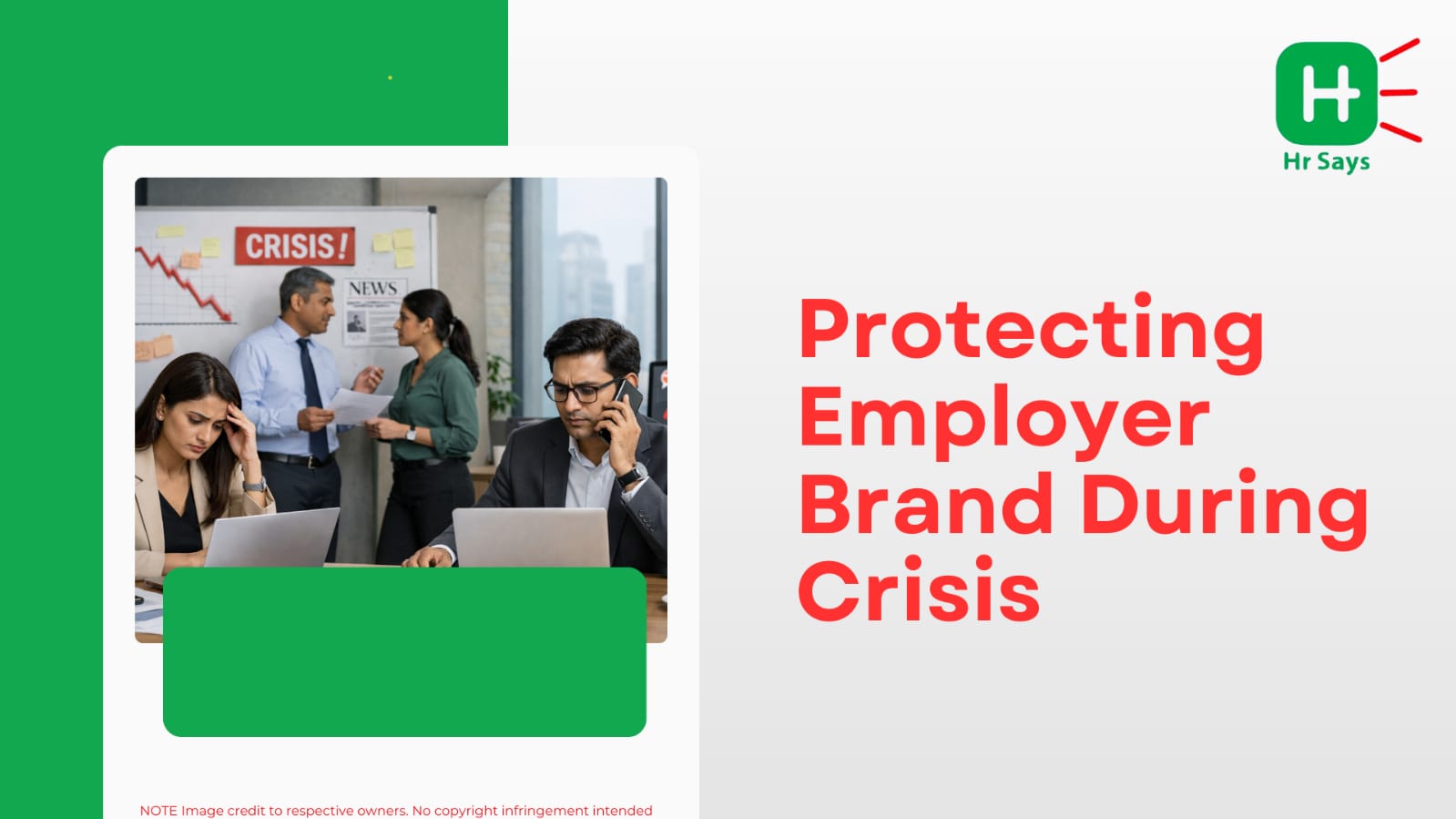
 Employer branding is most vulnerable during crisis situations. Transparent communication, responsible leadership behavior, and employee focused decisions help organizations maintain credibility. A thoughtful response not only protects reputation but also strengthens long term workplace trust.




The reputation of a company is hardly put to trial during a smooth operation. It is put to test when the pressure is increasing, errors occur or doubt becomes widespread. When this happens, employees, candidates, and the masses are looking at an employer brand silently. The way a crisis is addressed usually becomes the fact that people recollect.
Why Employer Brand Becomes Fragile During Crisis
A crisis hardly harms the operations or the revenue only. First is trust which is generally influenced. The workers begin doubting management judgments, potential workers see how individuals are being treated, and online discussions create a rapid impression as compared to official pronouncements.
The reputation of employers is fast spreading in the era of social media and open workplaces. One poorly handled reaction may affect recruitment channels, retention and reputation of the brand in the long run.
Several factors tend to make employer branding vulnerable during difficult times.
Employee Anxiety and Information Gaps
When uncertainty appears, silence often creates more damage than the crisis itself. Employees begin to fill information gaps with assumptions.
Common internal reactions include:
• Fear of job insecurity
• Distrust in leadership decisions
• Rumor circulation through internal channels
• Declining employee engagement
If communication is delayed, workplace culture begins to weaken. A strong employer brand is usually preserved when transparency is prioritized early.
Public Perception and Digital Visibility
Employer reputation is no longer built only through company messaging. It is influenced by employee reviews, LinkedIn conversations, and employer review platforms such as Glassdoor.
During crisis situations, these spaces become highly active.
Public perception is often shaped by:
• Layoff handling and communication tone
• Leadership accountability
• Support provided to affected employees
• Ethical decision making under pressure
Organizations that respond responsibly tend to maintain long term credibility even if the crisis itself cannot be avoided.
Practical Ways To Protect Employer Brand
A crisis response does not require perfect solutions. What matters is how thoughtfully the situation is handled.
Several practical strategies are commonly used by organizations that protect employer reputation successfully.
Prioritize Honest Internal Communication
Employees should hear updates from leadership before information appears externally. Consistent updates reduce speculation and maintain trust.
Effective communication practices include:
• Regular internal briefings
• Transparent explanations of decisions
• Clear acknowledgement of uncertainty
• Open channels for employee questions When employees feel respected and informed, they are more likely to remain supportive even during challenging periods.
Demonstrate Responsible Leadership
Leadership behavior is closely observed during difficult moments. Employees often judge the authenticity of company values based on leadership conduct.
Actions that strengthen employer brand include:
• Visible leadership presence
• Calm and measured messaging
• Accountability for mistakes
• Fair treatment of employees
Values that are practiced under pressure tend to become the strongest employer branding signals.
Protect Workplace Culture Even Under Pressure
Workplace culture is often tested during layoffs, financial restructuring, or operational disruption. If employees feel disposable, employer reputation suffers quickly.
Organizations that maintain credibility usually focus on:
• Respectful exit processes
• Mental health support for remaining teams
• Honest acknowledgement of employee contributions
• Continued investment in team wellbeing
Even difficult decisions can be respected when empathy is visible.
Monitor Online Employer Reputation
Employer brand conversations increasingly happen online. Monitoring digital platforms helps organizations understand emerging concerns early.
Key areas to monitor include:
• Employee review platforms
• LinkedIn discussions
• Industry forums
• Candidate feedback channels
Constructive responses to criticism often demonstrate accountability and maturity.
Conclusion
Crises are rarely avoidable in modern organizations. What can be controlled is the response. Employer brands that survive difficult moments are usually built on transparency, responsible leadership, and genuine employee care. Trust, once protected during crisis, often becomes the foundation of long term credibility.