Search Results

You searched for : OrganizationalCulture  

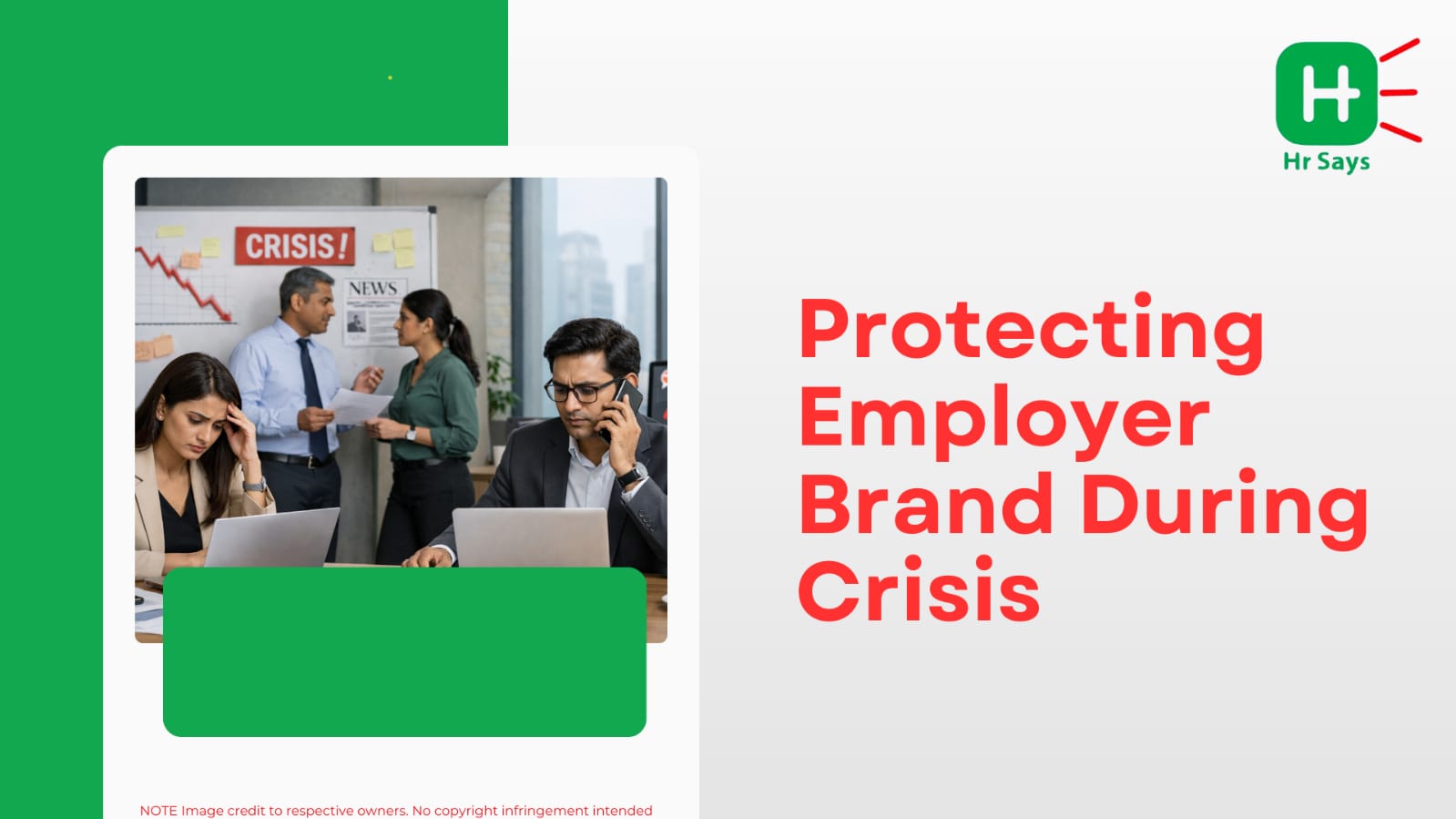
Protecting Employer Brand During Crisis

Employer branding is most vulnerable during crisis situations. Transparent communication, responsible leadership behavior, and employee focused decisions help organizations maintain credibility. A thoughtful response not ...
Mar 12

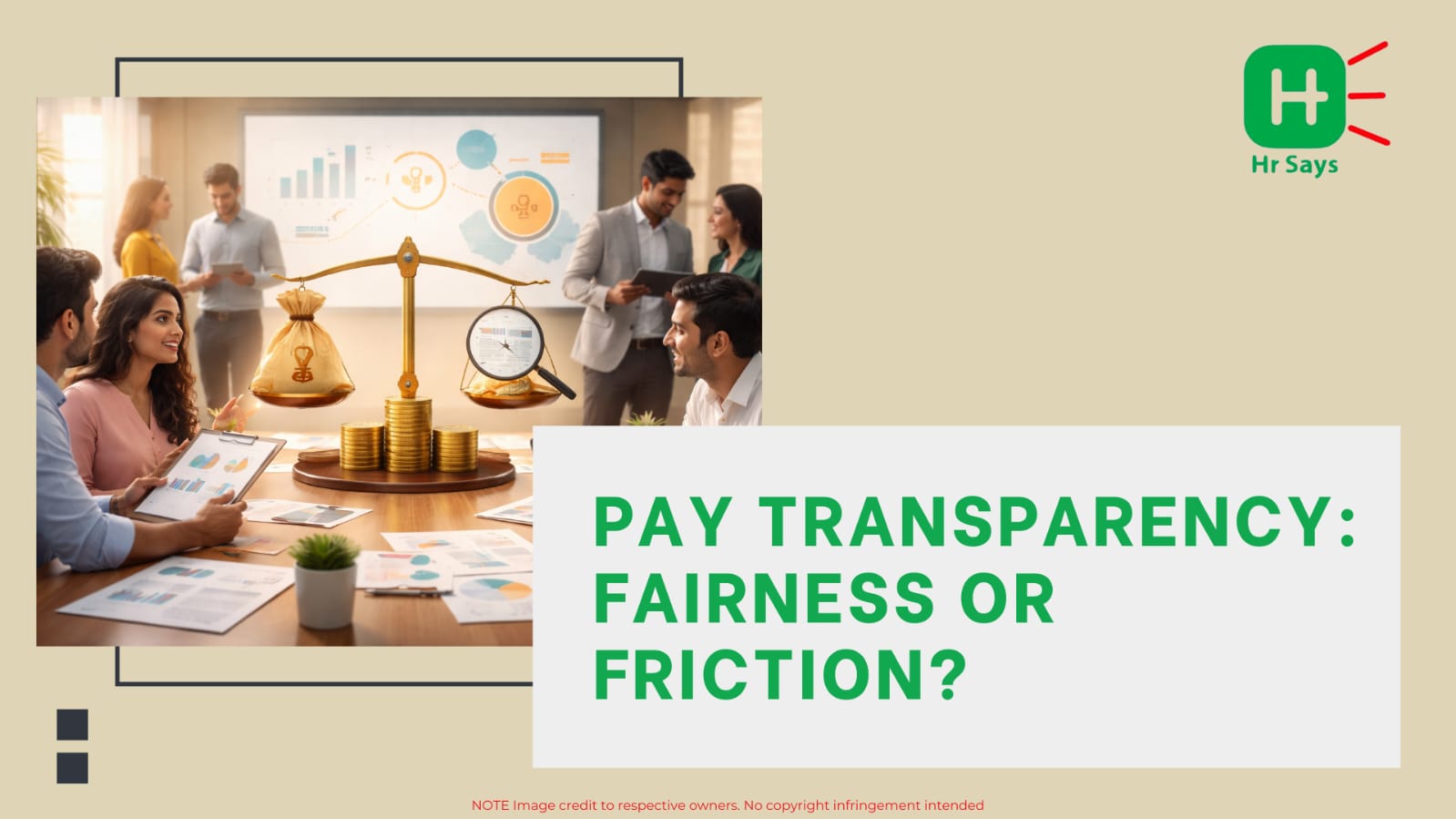
Pay Transparency: Fairness or Friction?

Pay transparency is reshaping modern workplaces by promoting salary clarity and accountability. While fairness and trust can be strengthened, friction may emerge without structured communication ...
Mar 02

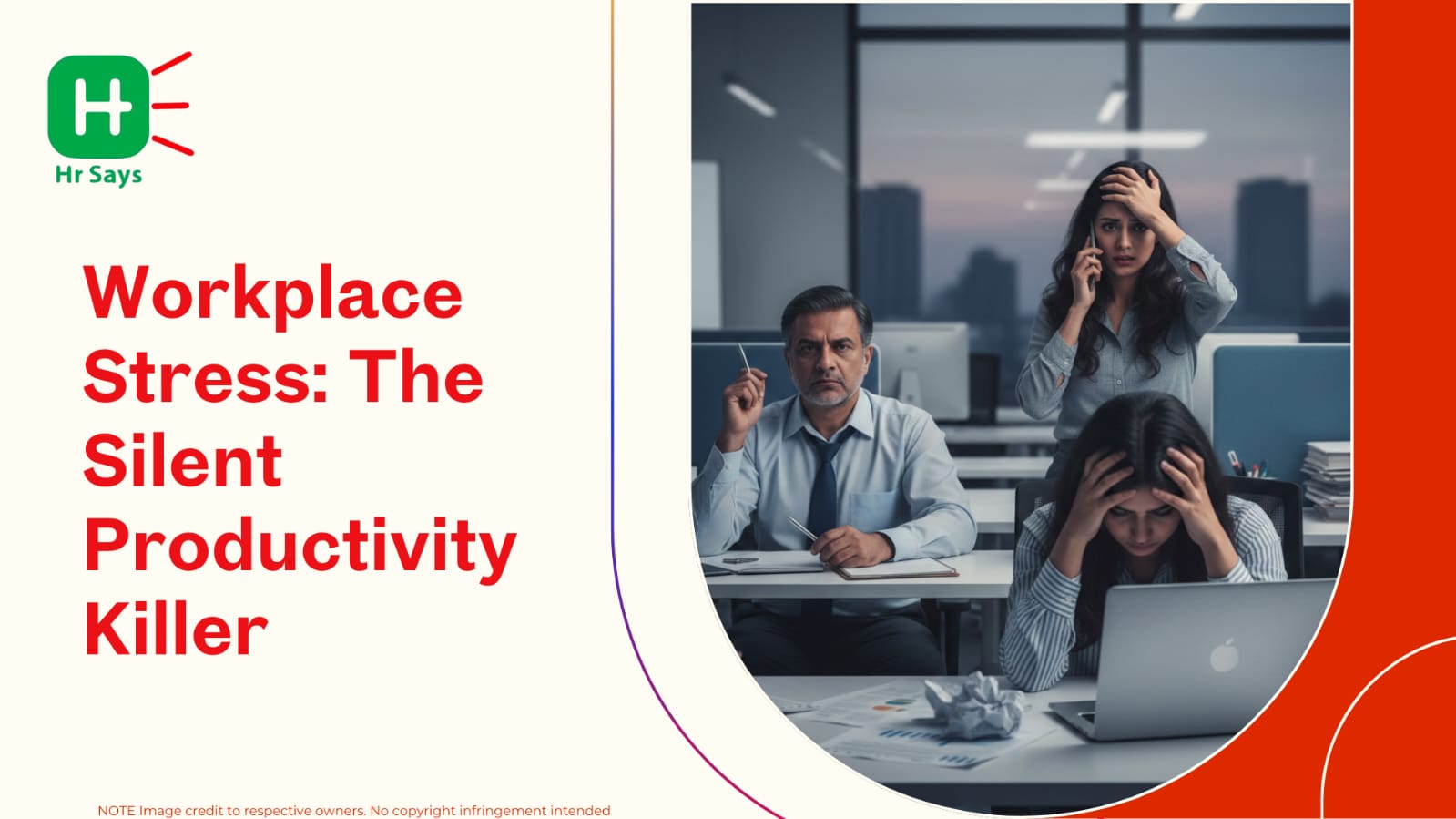
Workplace Stress: The Silent Productivity Killer

...
Feb 26

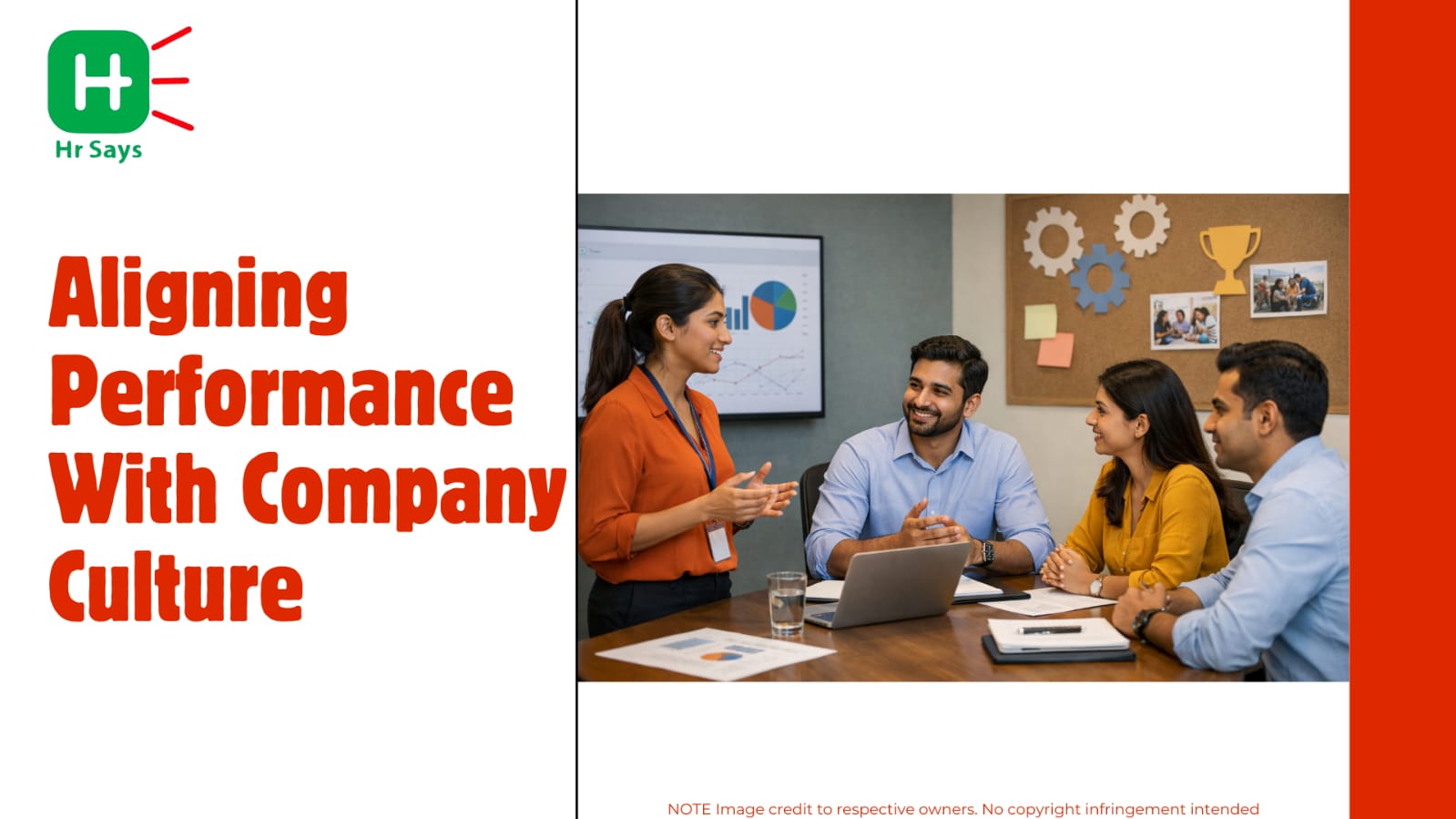
Aligning Performance With Company Culture

Aligning performance with company culture ensures that results are achieved without compromising shared values. By embedding cultural behaviors into KPIs, feedback systems, and leadership practices, ...
Feb 24

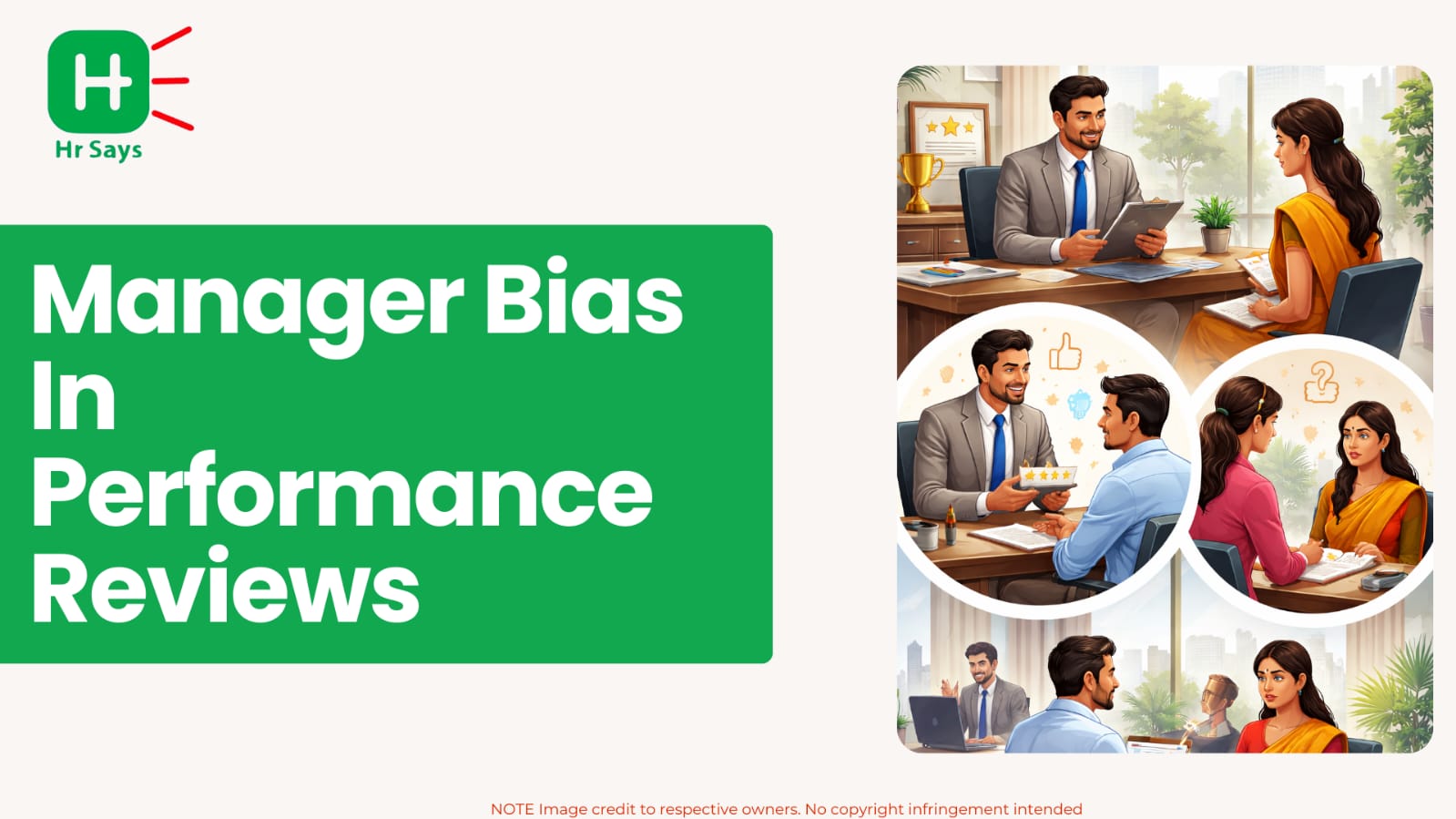
Manager Bias In Performance Reviews

...
Feb 24

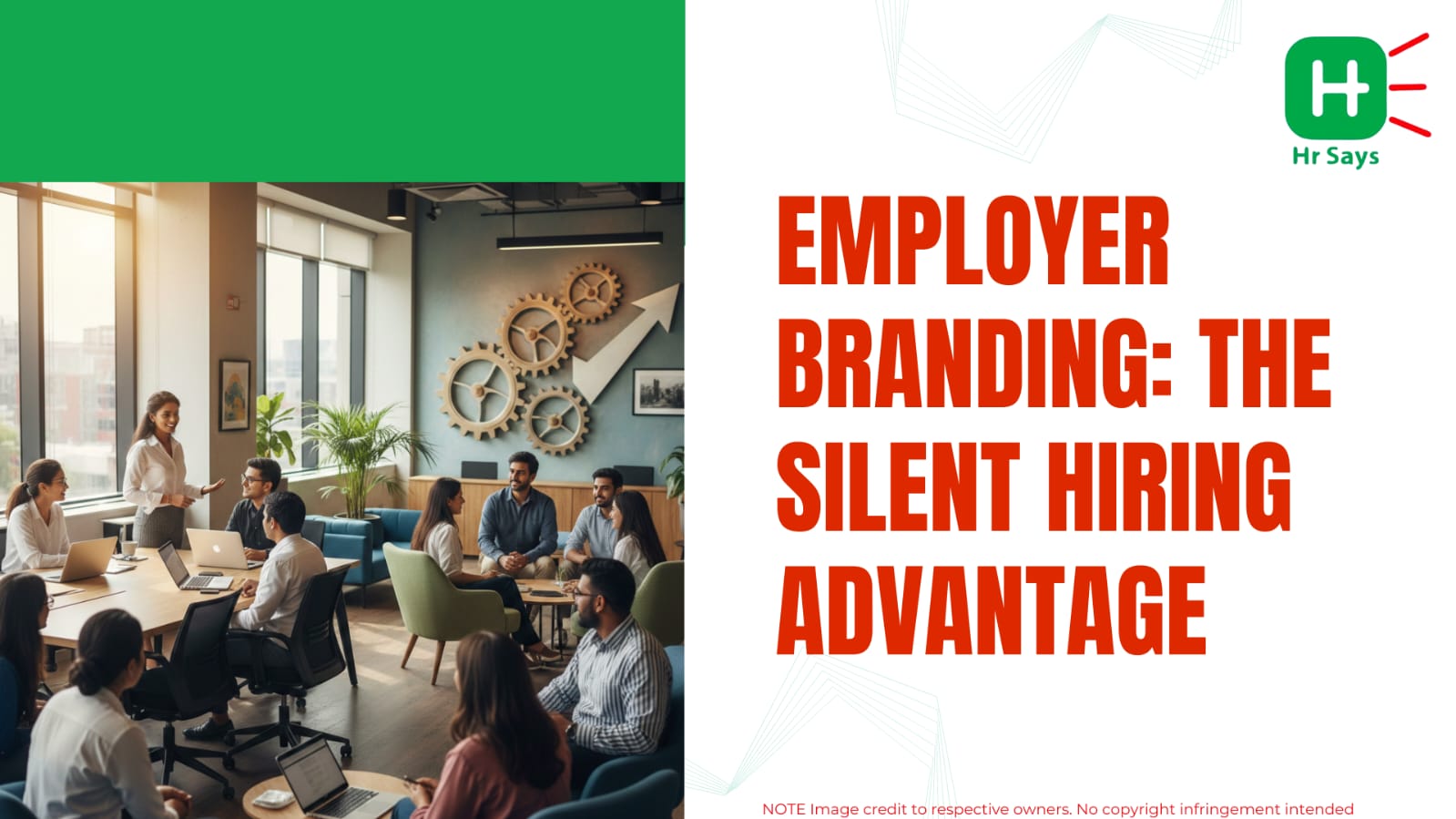
Employer Branding: The Silent Hiring Advantage

Employer branding shapes how organizations are perceived as workplaces. When culture, values, and employee experience are aligned, talent attraction and retention are strengthened. In modern ...
Feb 16

Making Leaders Accountable for Inclusion

Leadership accountability transforms inclusion from a symbolic commitment into measurable action. By embedding diversity metrics into performance systems and culture, inclusive leadership becomes sustained practice ...
Feb 14

Does DEI Training Really Change Behavior?

DEI training raises awareness but does not automatically change behavior. Sustainable impact is achieved when leadership modeling, accountability systems, and continuous dialogue reinforce inclusive practices. ...
Feb 14

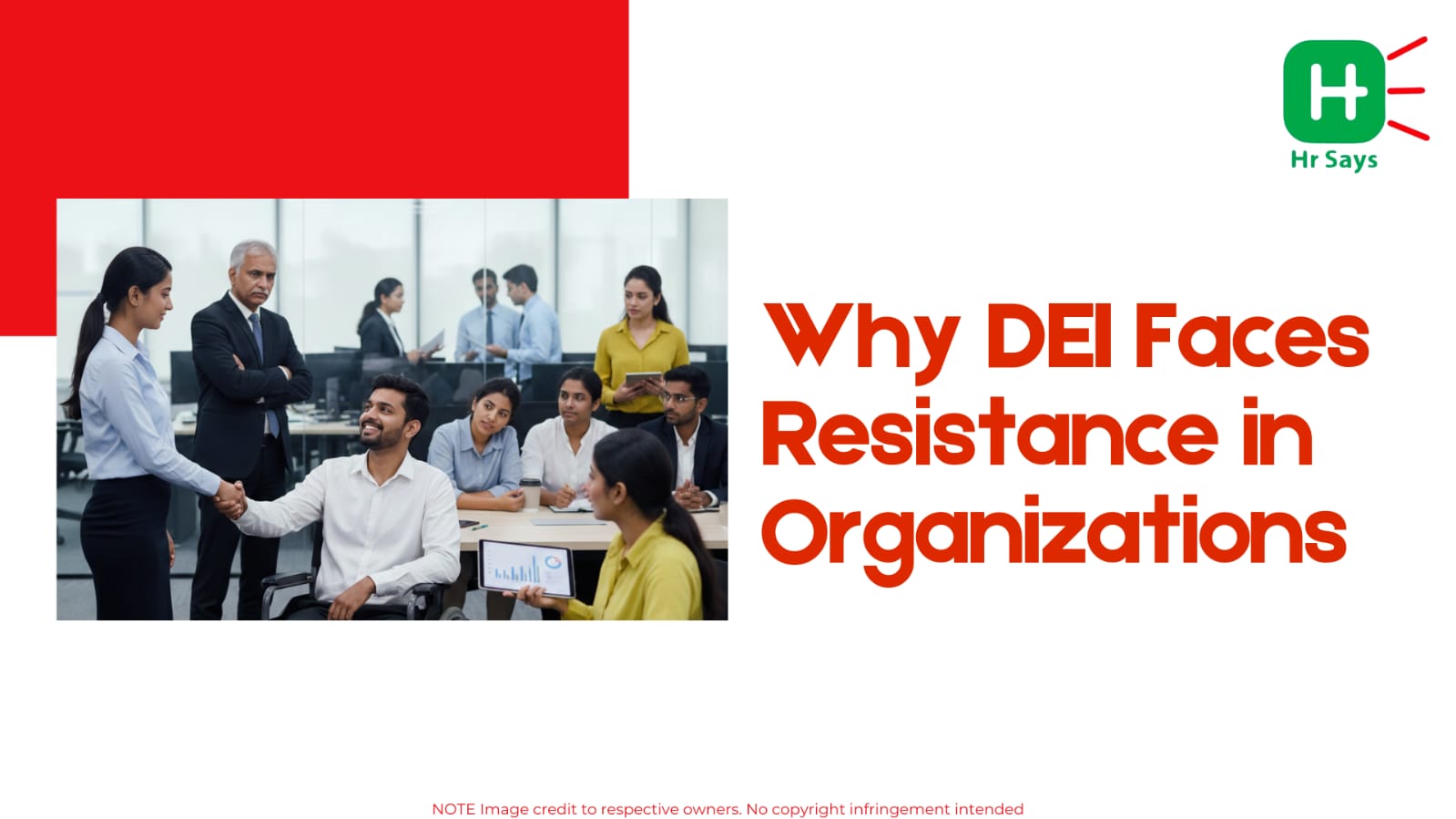
Why DEI Faces Resistance in Organizations

DEI faces resistance due to fear of change, unclear communication, leadership gaps, and performance pressures. When goals are misunderstood or poorly implemented, skepticism increases. Sustainable ...
Feb 14

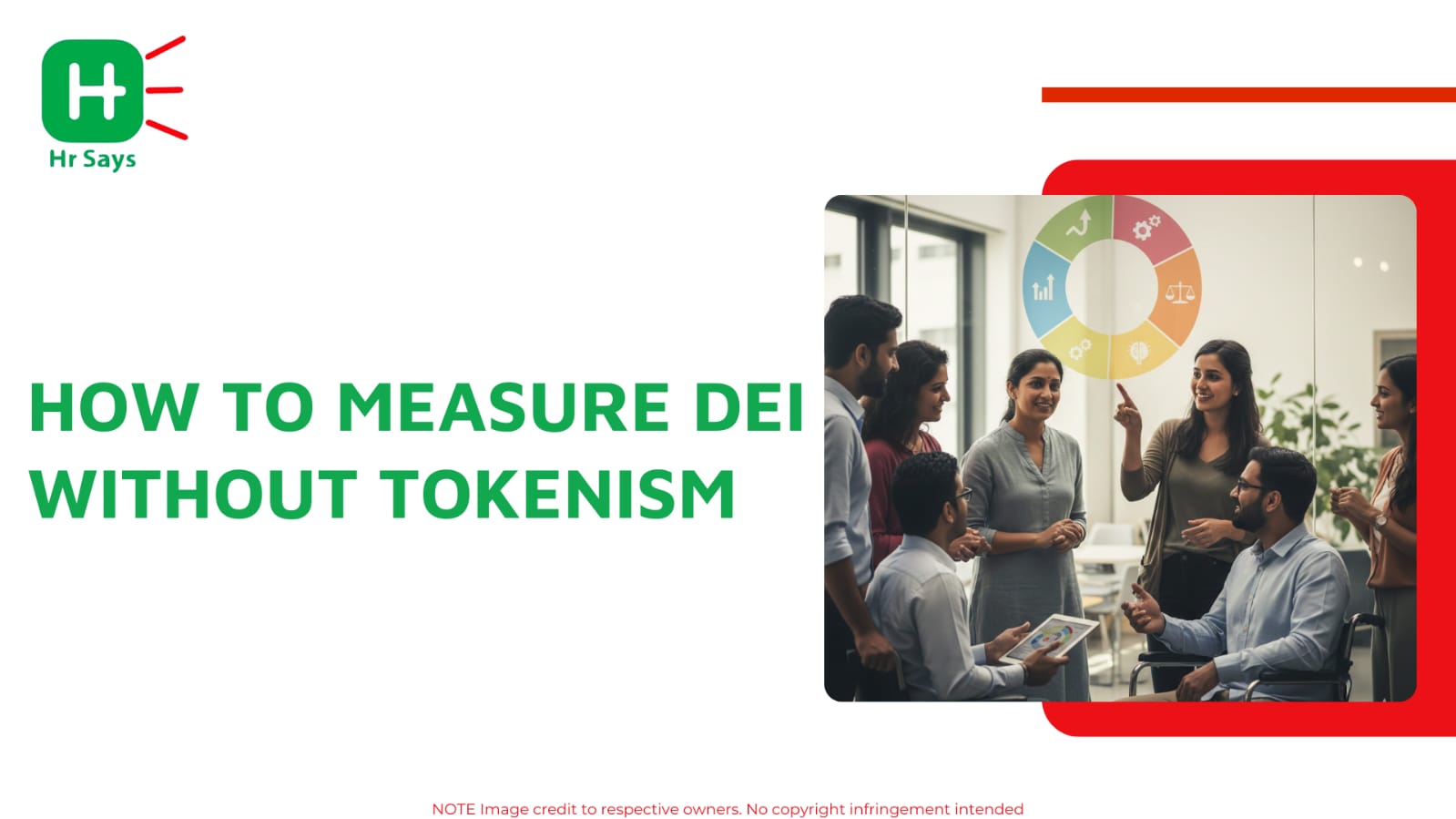
How to Measure DEI Without Tokenism

This blog explores how DEI can be measured beyond surface representation. It highlights retention, psychological safety, accountability, qualitative feedback, and transparent reporting as essential components ...
Feb 13

Communication: The Missing Link in Engagement

Employee engagement often weakens due to unclear and one sided communication. This blog explores how intentional, transparent, and two way communication strengthens trust, reduces disengagement, ...
Feb 12

Why Traditional Engagement Surveys Are Failing

Traditional engagement surveys are losing effectiveness due to outdated timing, low trust, and lack of context. As work continues to evolve, engagement measurement must shift ...
Feb 10

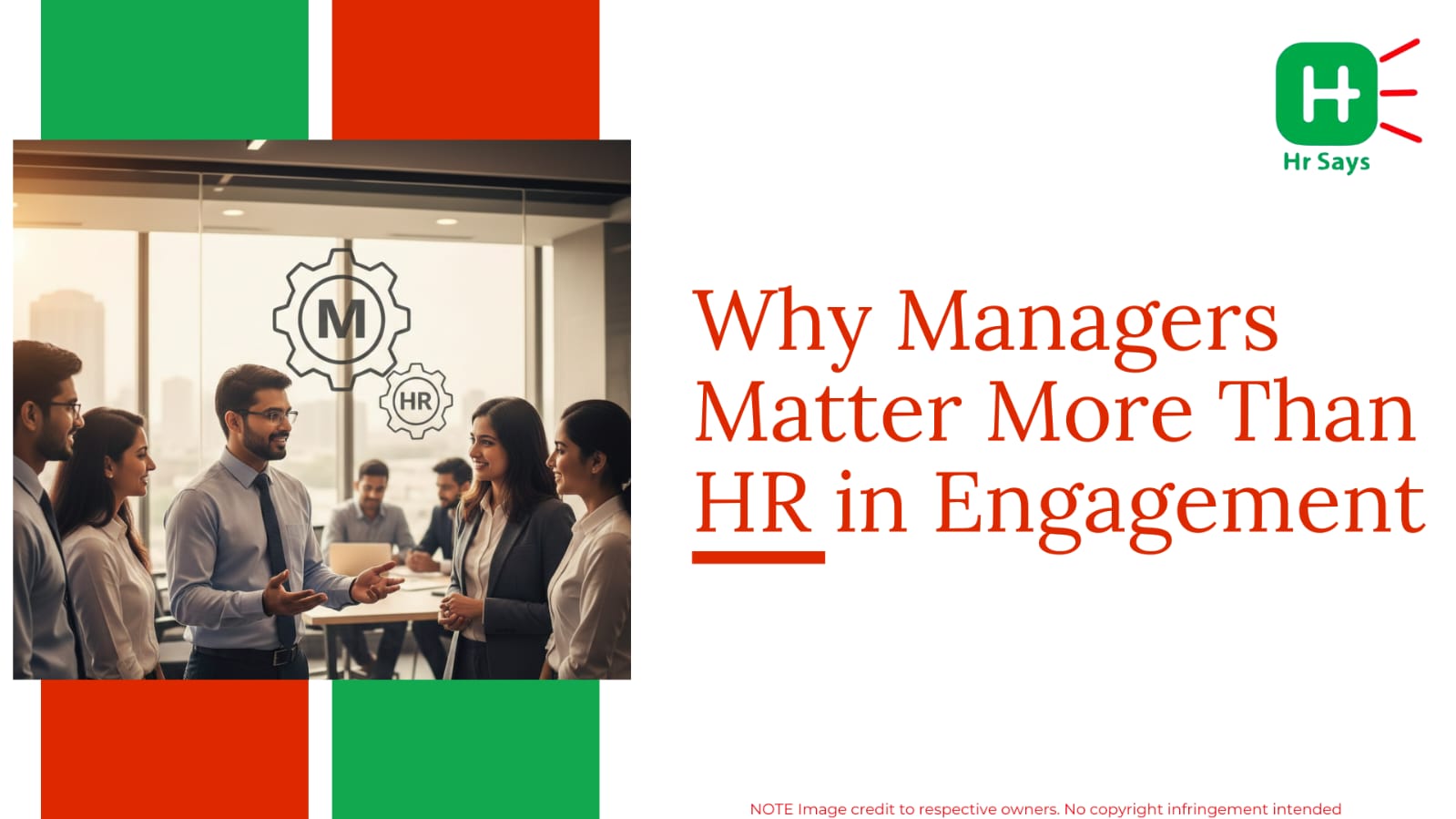
Why Managers Matter More Than HR in Engagement

Employee engagement is shaped less by HR initiatives and more by daily manager behavior. This article explains why managers hold greater influence over trust, motivation, ...
Feb 10

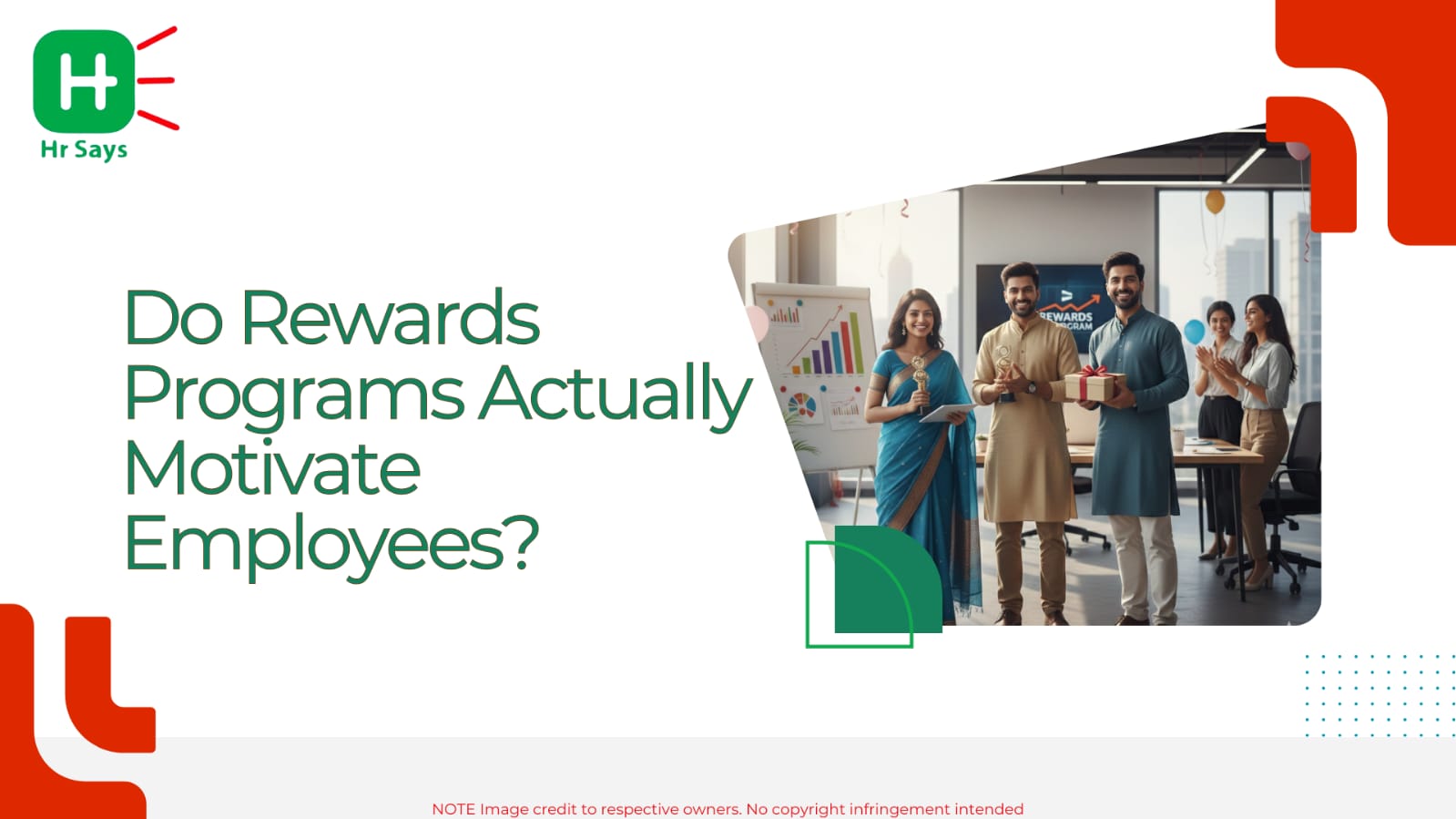
Do Rewards Programs Actually Motivate Employees?

Rewards programs can influence behavior, but their impact on long-term motivation is limited. Sustainable employee motivation is more effectively supported through fairness, recognition, purpose, ...
Feb 10

Human Judgment vs AI Decisions in HR

AI is transforming HR through data-driven efficiency, while human judgment preserves empathy, context, and ethics. This blog explores how balanced collaboration between technology and ...
Feb 04

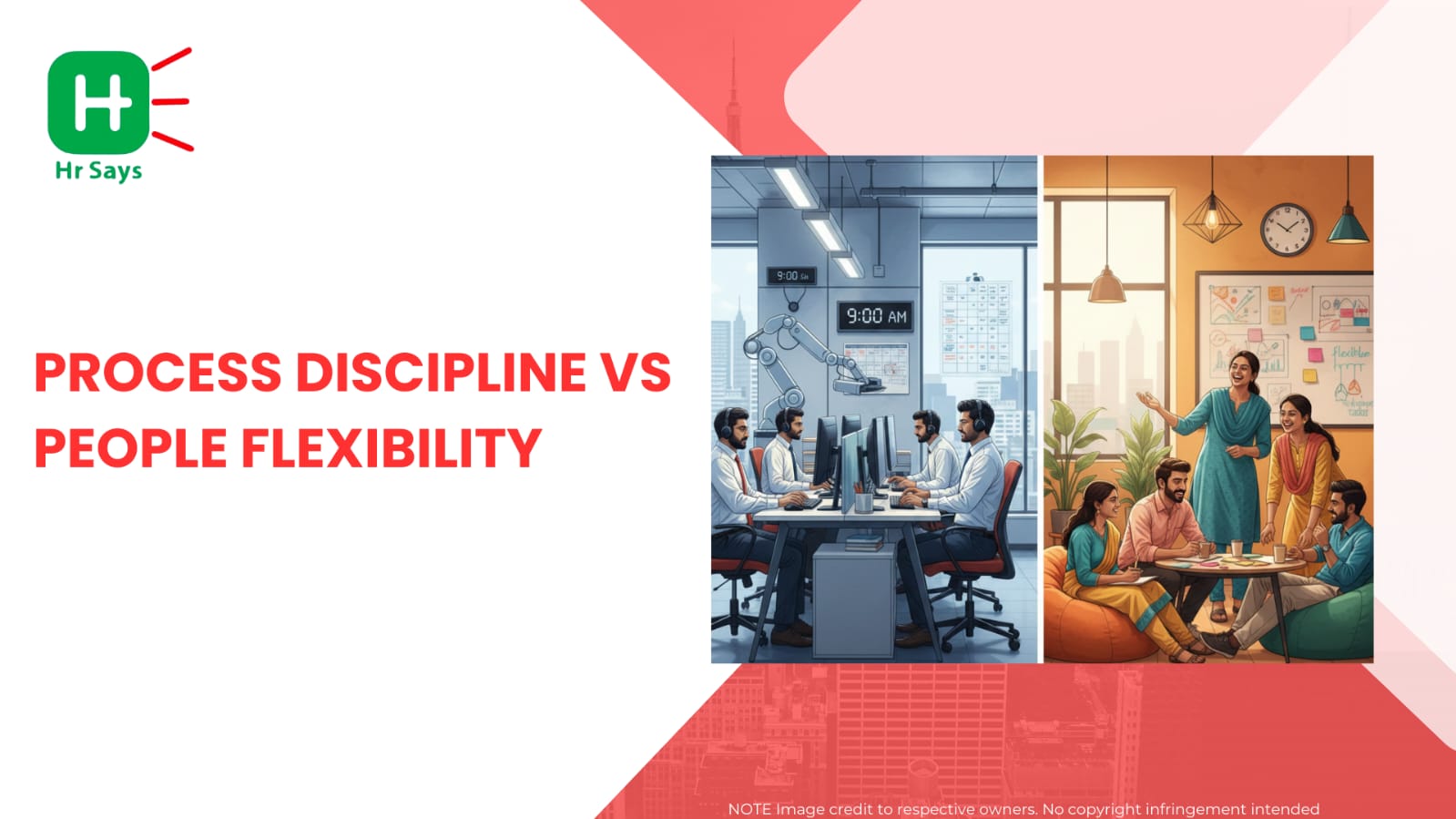
Process Discipline Vs People Flexibility

Process discipline ensures consistency, while people flexibility allows adaptability. Sustainable workplaces are shaped when structure guides decisions and human judgment fills the gaps, creating balance, ...
Jan 27

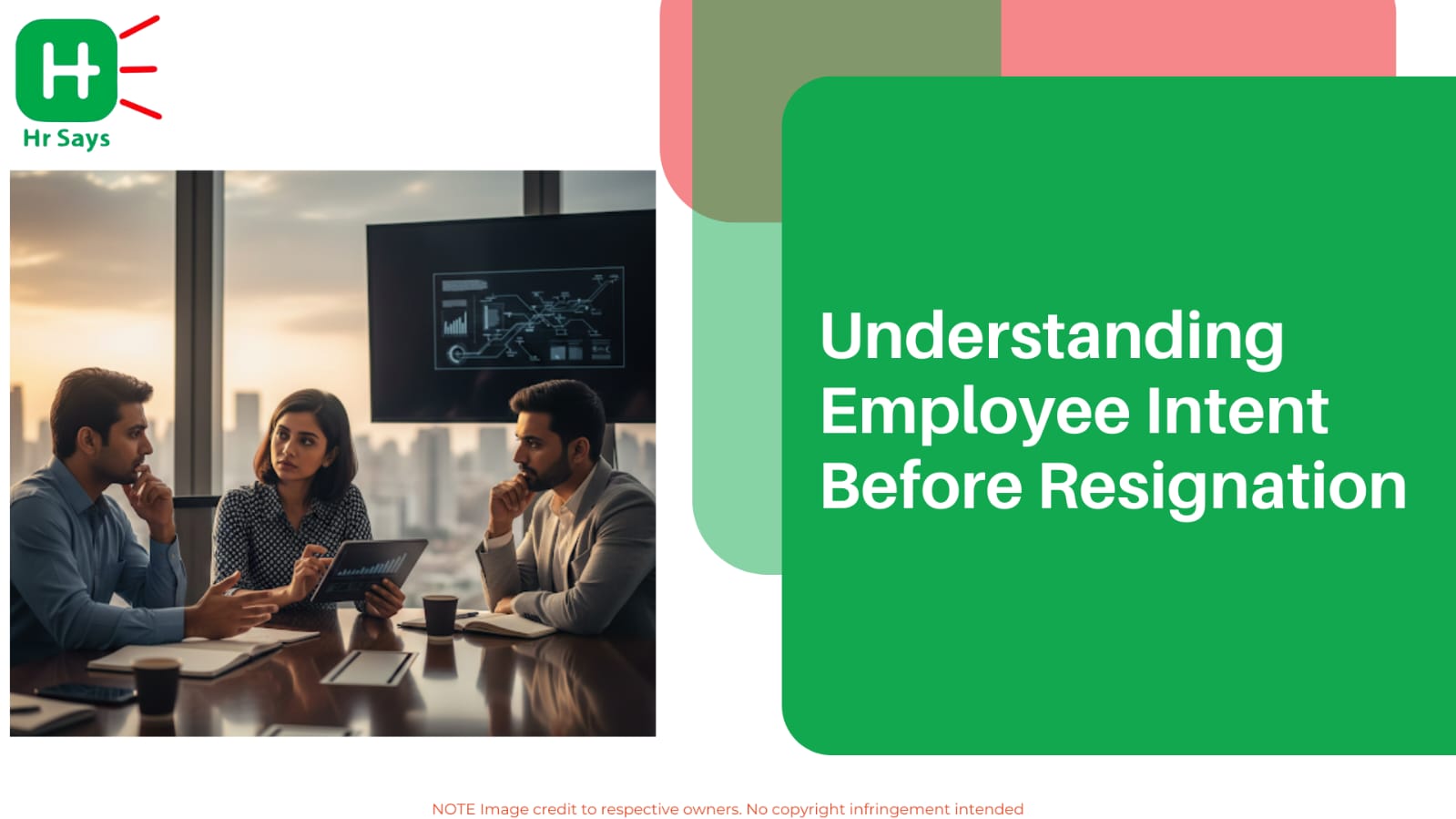
Understanding Employee Intent Before Resignation

Employee intent forms long before resignation decisions are shared. By recognizing early behavioral signals, fostering psychological safety, and engaging in meaningful dialogue, organizations can reduce ...
Jan 21

Managing Talent Expectations Realistically

Managing talent expectations requires clarity, consistency, and empathy. When roles, growth, and limitations are communicated honestly, disengagement is reduced. Realistic alignment builds trust, sustains motivation, ...
Jan 19

Why Exit Interviews Often Miss The Truth

Exit interviews often fail to capture honest feedback due to fear, timing, and unresolved trust gaps. This article explores why truth stays hidden and how ...
Jan 17

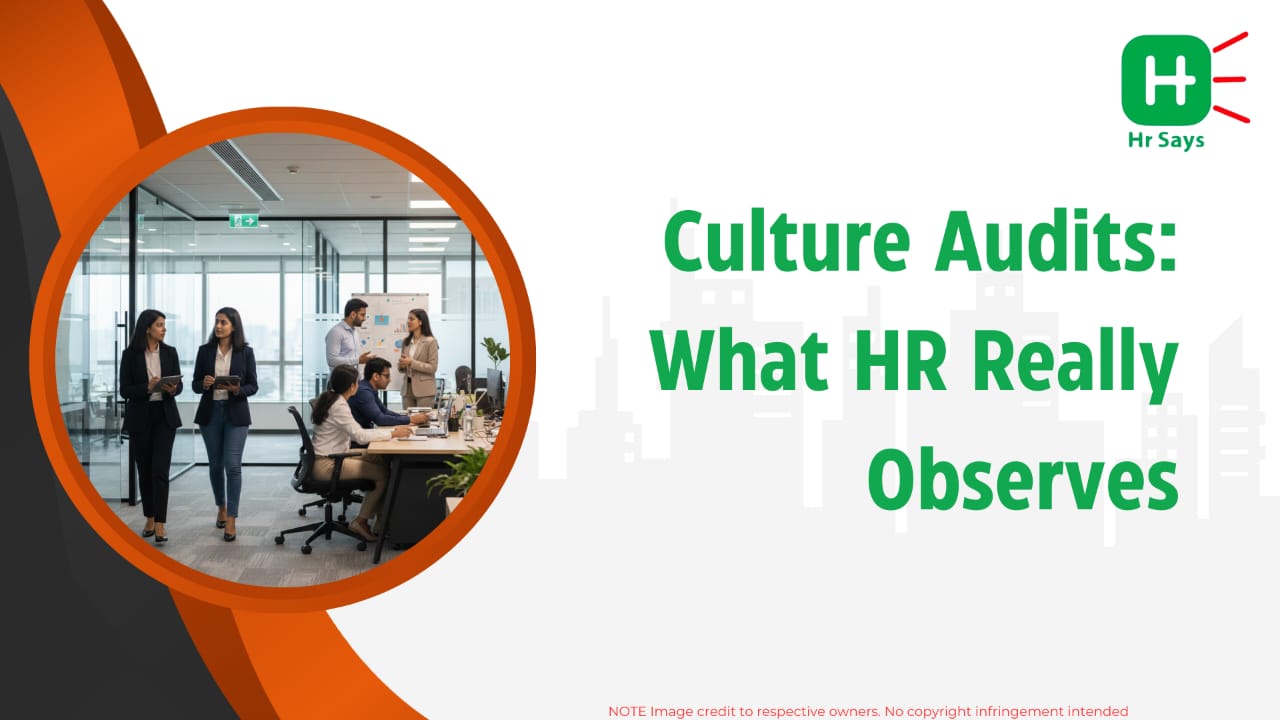
Culture Audits: What HR Really Observes

Culture audits focus on observed behavior rather than stated values. By examining leadership actions, communication patterns, systems, and employee energy, HR gains a clearer understanding ...
Jan 16

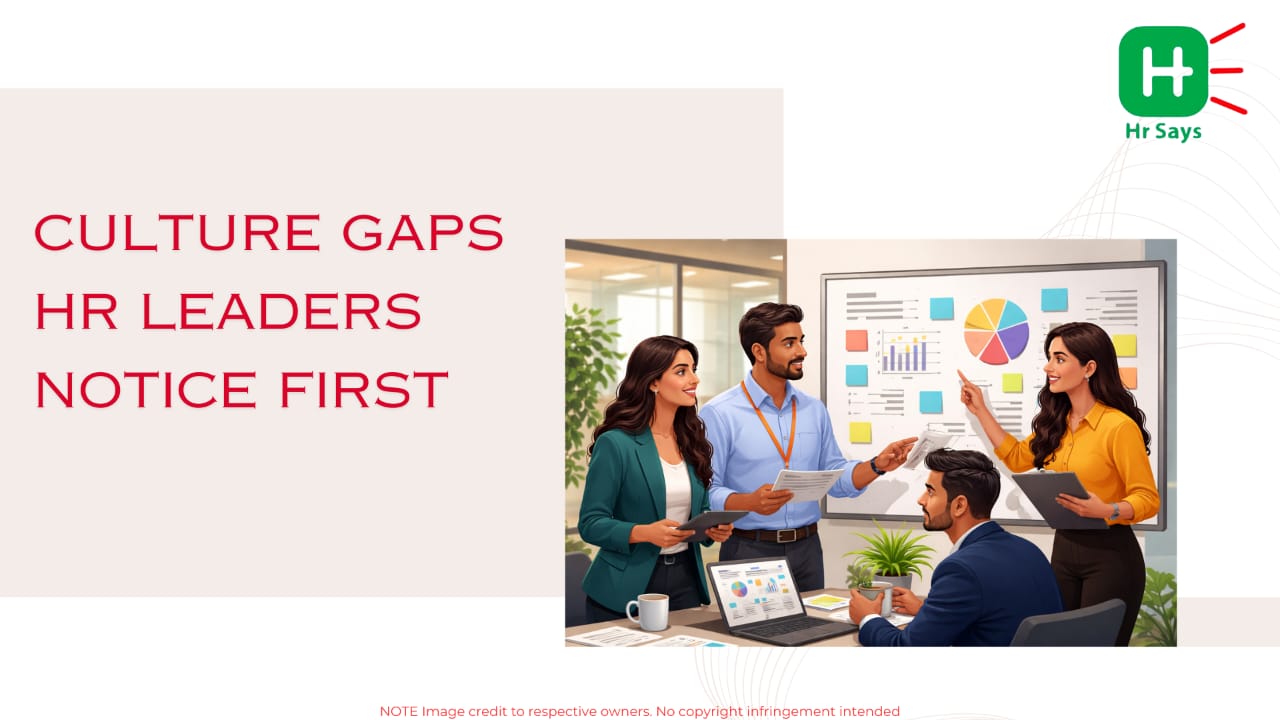
Culture Gaps HR Leaders Notice First

Culture gaps are first noticed in everyday behaviors, communication patterns, and trust signals. This blog explores how HR leaders identify early misalignments that quietly shape ...
Jan 15

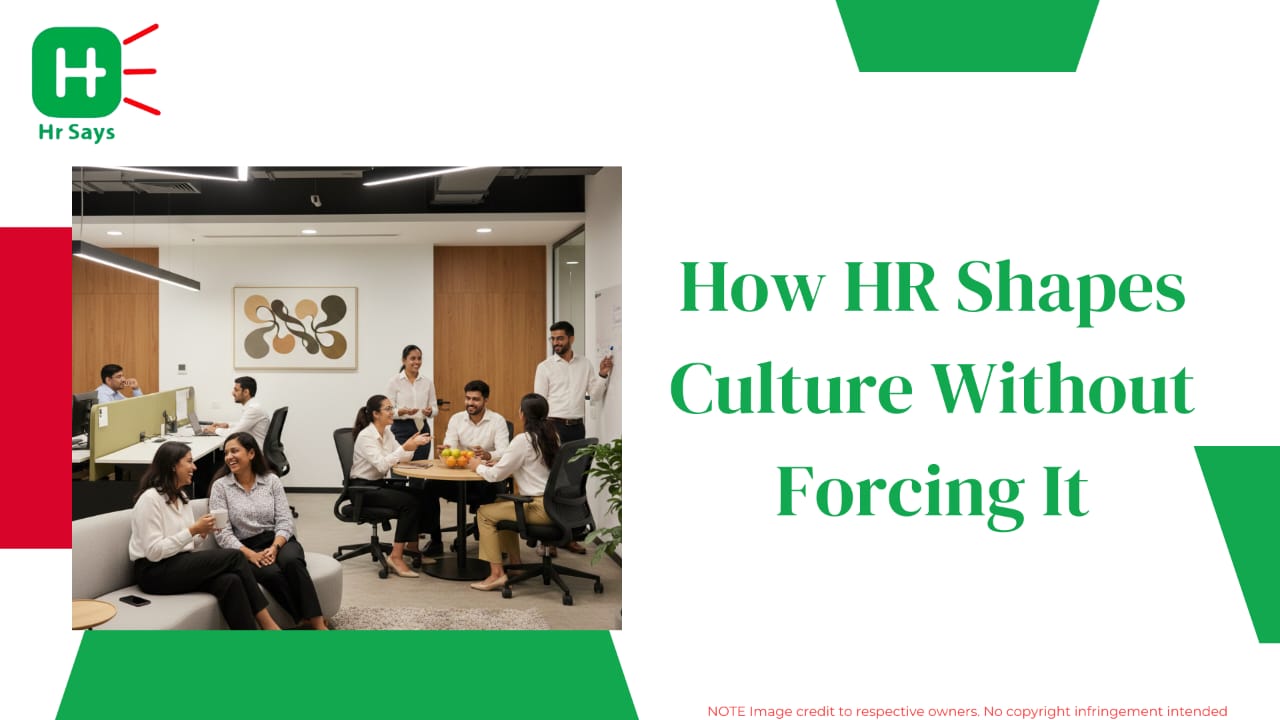
How HR Shapes Culture Without Forcing It

Organizational culture is shaped subtly through hiring, policies, leadership behavior, and everyday interactions. This piece explores how HR influences culture through observation, consistency, and human ...
Jan 13

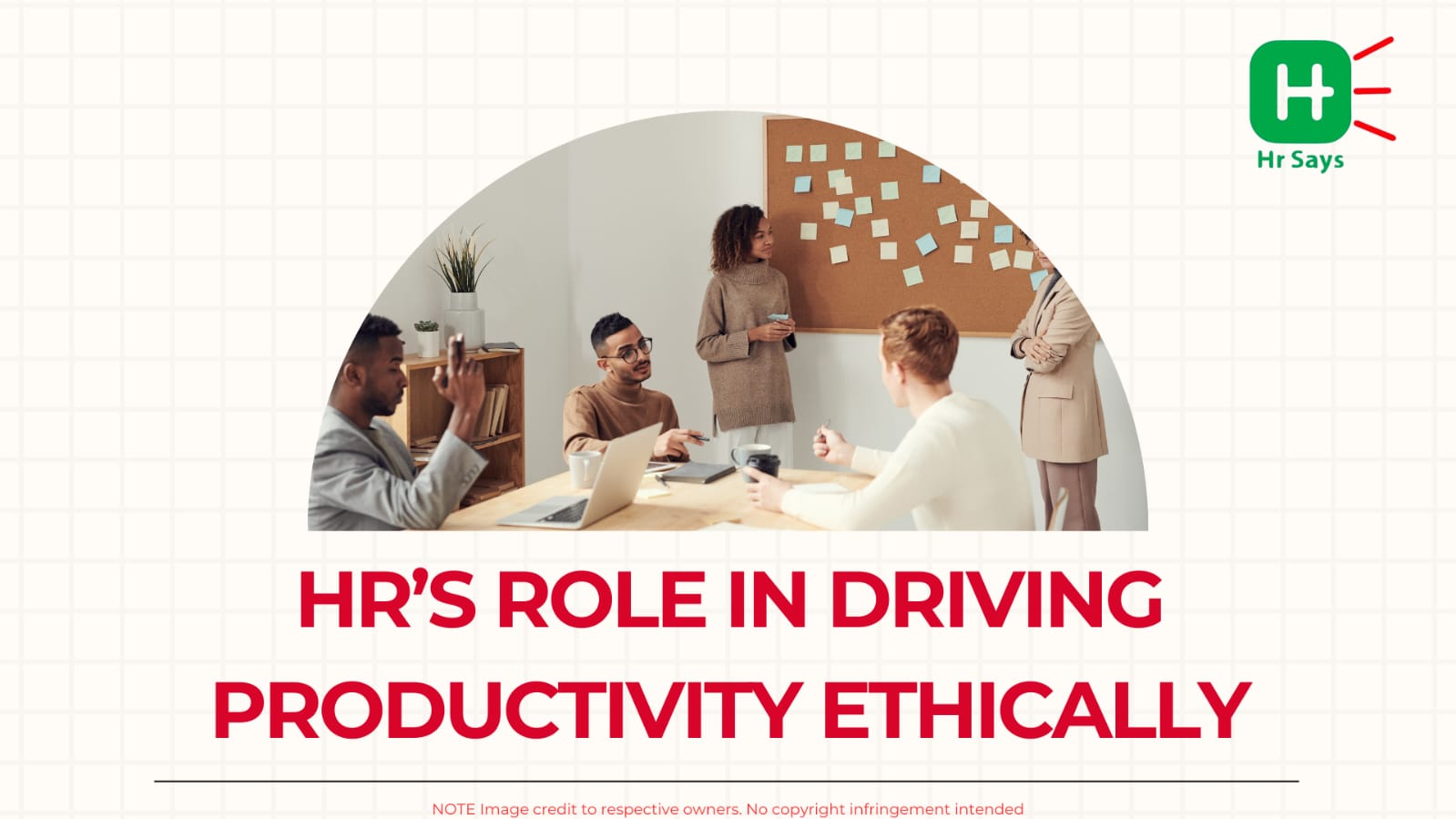
HR’s Role In Driving Productivity Ethically

Ethical productivity is shaped by culture, systems, and leadership. This blog explores how HR enables sustainable performance through fairness, trust, and responsible data use, while ...
Jan 12

Why Transparency Matters In Employee Relations

Transparency in employee relations builds trust, reduces conflict, strengthens culture, and supports fairness. Through clear communication and credible leadership, workplaces become more stable, engaged, and ...
Jan 08

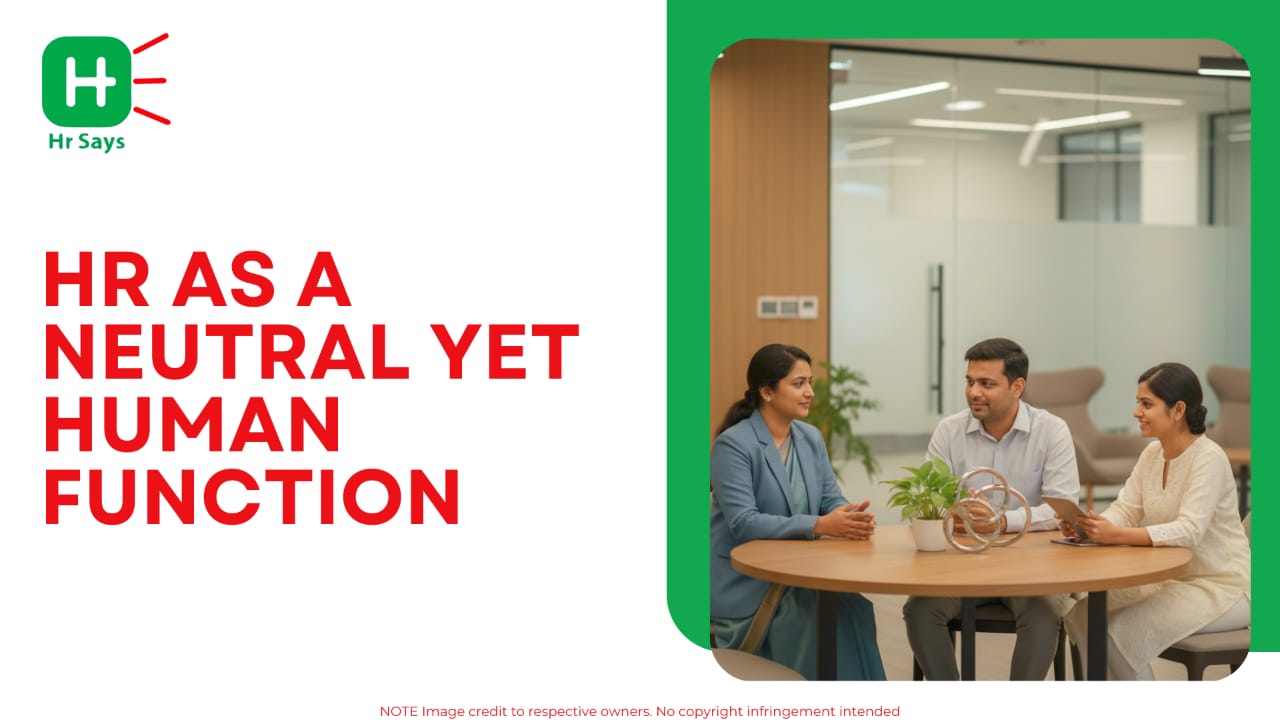
HR As A Neutral Yet Human Function

HR functions best when neutrality and humanity coexist. By balancing policy with empathy, trust is built, conflicts are handled fairly, and workplaces remain ethical, stable, ...
Jan 08

25 Matching result(s) found!