Saturday, October 24, 2026
.jpeg)
 This blog explores the 12 vital HR functions that keep organizations thriving—from recruitment
and onboarding to analytics and employee well-being—highlighting HR’s evolving role in
shaping culture, compliance, and sustainable growth.
This blog explores the 12 vital HR functions that keep organizations thriving—from recruitment
and onboarding to analytics and employee well-being—highlighting HR’s evolving role in
shaping culture, compliance, and sustainable growth.




So, what exactly is running smoothly within a company? It is not only brilliant techniques or superior tools, but it is the power of its Human Resources section. Hiring the right people to developing the desired culture, the HR contributes to the success story of any organization.
Recruitment and Talent Acquisition
It all starts here. It is not only about filling vacancies that the right talent can be found, but also about matching the skills to the long-term business objectives. An effective HR department creates employer branding, creates job description that is compelling and applies data-driven methodology with regard to recruitment to enable it to hire high quality candidates.
Key responsibilities include:
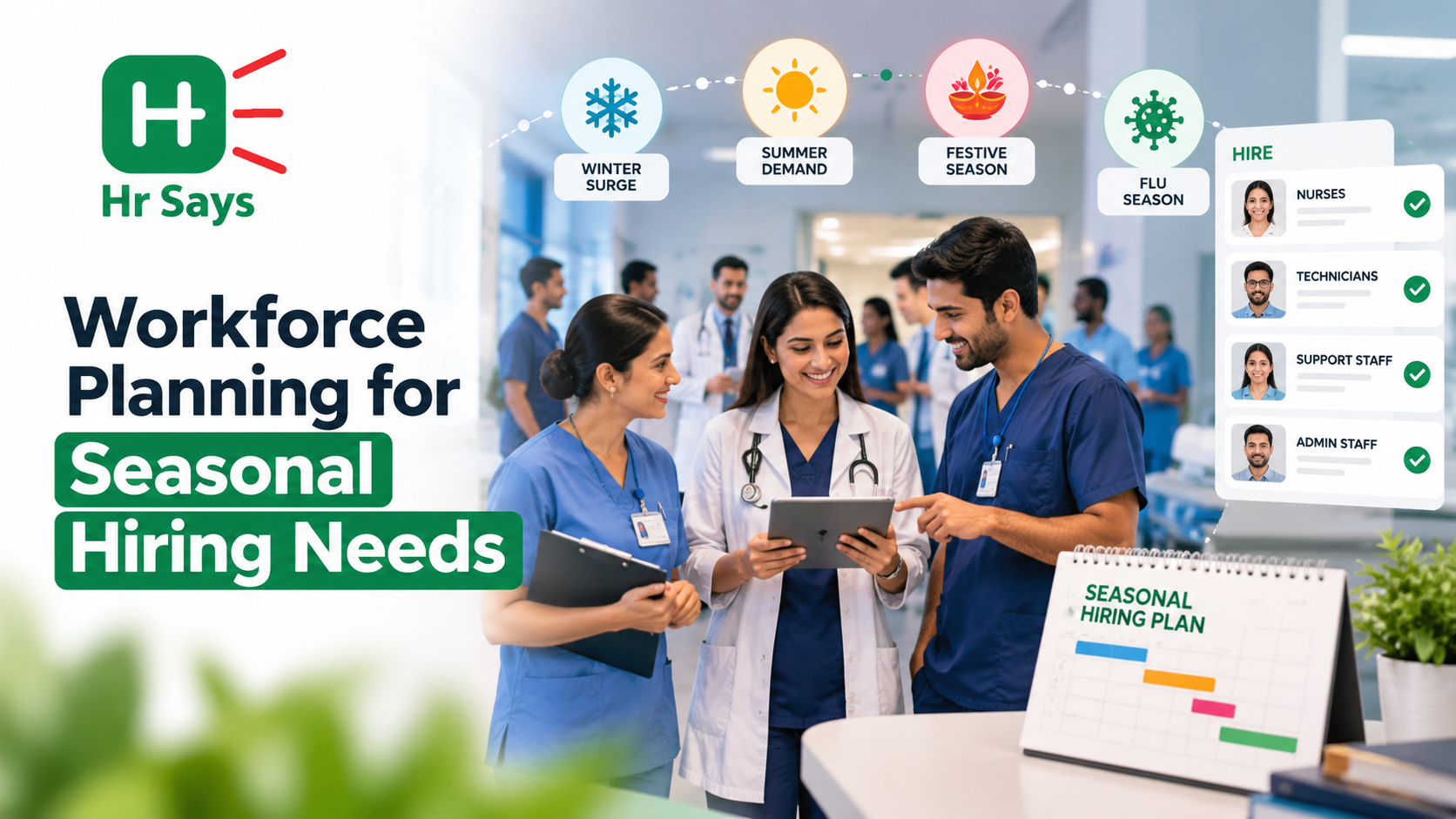
● Conducting workforce planning
● Managing job postings and interviews
● Enhancing candidate experience through communication
Onboarding and Orientation
A new hire’s first impression can make or break engagement. A seamless onboarding process ensures employees feel welcomed, informed, and ready to perform. HR teams create structured programs that introduce company policies, culture, and expectations in a way that feels human and supportive.
Employee Training and Development
Continuous learning keeps the workforce agile. HR ensures employees grow through workshops, e-learning, and mentorship programs. Skill enhancement not only boosts performance but also reduces turnover by giving employees a sense of progress and purpose.
Performance Management
Evaluating performance is more than yearly appraisals. Modern HR departments adopt ongoing feedback systems and data-backed evaluations. This helps employees understand their strengths, identify improvement areas, and align individual goals with organizational vision.
Compensation and Benefits
Fair pay builds trust. HR professionals design compensation structures that balance internal equity and market competitiveness. They also manage benefits like health insurance, leave policies, and bonuses—ensuring employee satisfaction and retention.
Compliance and Legal Responsibilities
Adhering to labor laws and workplace regulations is non-negotiable. HR departments handle employment contracts, grievance redressal, and workplace safety to maintain legal compliance. Proper documentation and timely audits prevent costly disputes.
Employee Engagement and Retention
How do you make people stay? Engagement programs, open communication, and recognition play a major role. HR fosters a healthy culture where employees feel valued, connected, and motivated to contribute.
Workplace Culture and Diversity
Diversity and inclusion aren’t just buzzwords—they define the modern workplace. HR builds policies that encourage collaboration, respect, and equal opportunity. A positive culture enhances creativity and drives innovation.
Payroll Management
Accuracy matters. Payroll processing requires attention to detail, confidentiality, and punctuality. HR teams manage salary disbursement, tax deductions, and benefits calculations to ensure financial accuracy and trust.
Conflict Resolution and Employee Relations
Disagreements are natural. HR acts as a mediator to resolve conflicts fairly and maintain workplace harmony. Constructive dialogue and policy-based solutions help sustain a respectful environment.
Strategic Planning and HR Analytics
Data-driven HR decisions are now the norm. Through analytics, HR leaders track turnover rates, hiring trends, and productivity metrics. This enables smarter workforce planning and aligns HR strategies with business growth.
Health, Safety, and Well-being
A safe workplace is a productive one. HR ensures compliance with occupational health standards, manages wellness programs, and promotes mental well-being initiatives that support employee health and morale.
Conclusion
The modern HR department is far more than an administrative unit—it’s a strategic partner driving growth, performance, and culture. By mastering these 12 functions, HR transforms from a back-office function into the heartbeat of every successful organization.