 Tuesday, November 17, 2026
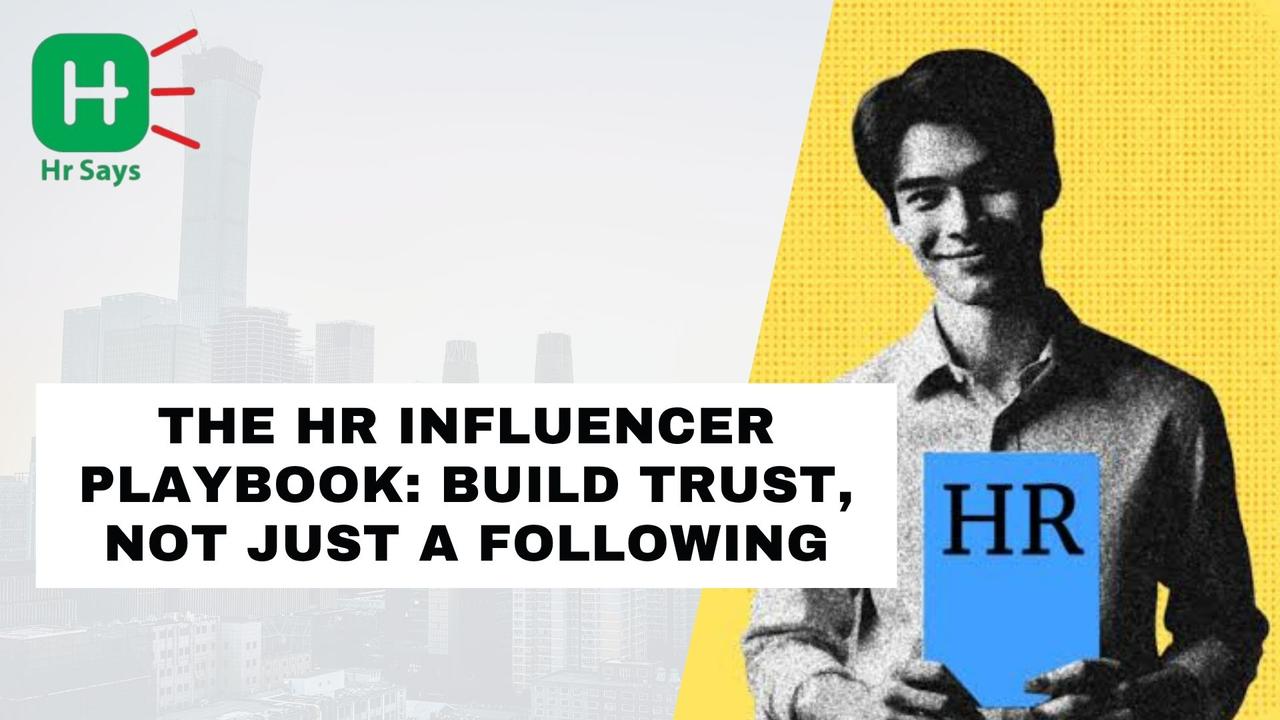
 The best HR influencers don’t chase likes — they build lasting trust. In this article, we explore how HR professionals can grow their digital presence through value, consistency, and insight. You’ll learn what types of posts resonate, how to balance vulnerability with authority, and why influence starts with helping, not talking. We demystify the “influencer” label and focus on credibility-first content. For any HR professional ready to be seen and respected, this is your guide.





In 2025, HR professionals aren’t just implementing strategy — they’re shaping conversations. But as more HR voices show up on LinkedIn, podcasts, and panels, the real question becomes:
Are you building trust — or just visibility?
Being an “HR influencer” isn’t about self-promotion. It’s about being a credible, consistent, and trustworthy voice that helps others navigate people challenges, policy shifts, and workplace change.
🎯 Why HR Needs More Influencers — The Right Kind
Today’s workplace is flooded with information but starved for perspective. Great HR influencers:
- Share real insights, not recycled frameworks
- Create emotional safety through honesty, not just buzzwords
- Build conversations, not just followership
- Influence internal change as much as public perception
According to a 2024 report by LinkedIn Talent Solutions, HR professionals who consistently share thought leadership content are:
- 50% more likely to be invited to speak at industry events
- 34% more likely to attract passive candidates
- Seen as more strategic by internal leadership
🧠 What Actually Builds HR Influence Today
Let’s cut the noise. Real influence doesn’t come from trending hashtags or viral hacks. It comes from:
|
Principle |
What It Looks Like |
|
Clarity |
Posting your POV clearly and avoiding HR jargon |
|
Consistency |
Showing up regularly — even if it’s once a week |
|
Credibility |
Backing your ideas with small wins, not big claims |
|
Relevance |
Talking about issues you’re solving — not what’s already viral |
|
Originality |
Sharing personal reflections, not copying thought leaders |
You don’t need to be loud. You just need to be clear and useful.
📝 Content Ideas That Work (No Fancy Strategy Needed)
|
Format |
Idea Example |
|
🎯 Story |
“We rolled out a new feedback ritual — here’s what surprised us.” |
|
💬 Question |
“How do you balance policy enforcement with empathy in HR?” |
|
🧠 Insight |
“Most attrition reports miss this one pattern — here’s what to track.” |
|
📉 Lesson |
“A new joiner quit in week 2. Here’s what we learned.” |
You’re not here to impress. You’re here to contribute. And that’s what earns trust.
🛠 Tools to Help You Build Your Influence
- Notion or Google Docs: Keep a simple “Content Notes” doc
- LinkedIn Creator Mode: Enable to showcase your featured content
- Buffer or Hootsuite: Schedule your weekly post
- Google Alerts: Stay informed about trends relevant to your niche
- HRsays: Share your experiences with the community for feedback and visibility
✨ Final Thought: Don’t Wait to Be Seen — Start Sharing
You already have insights — from interviews, exits, policy tests, conflict resolution, or burnout wins. The only thing left is to speak.
And when you do, don’t aim to be followed.
Aim to be trusted.
Coming soon on HRsays: How Top Indian Startups Are Designing People-First Cultures Without Big Budgets
📢 Already shared something valuable online? Or planning to? Send it to us — we might feature your HR voice in our upcoming series.