 Sunday, November 22, 2026
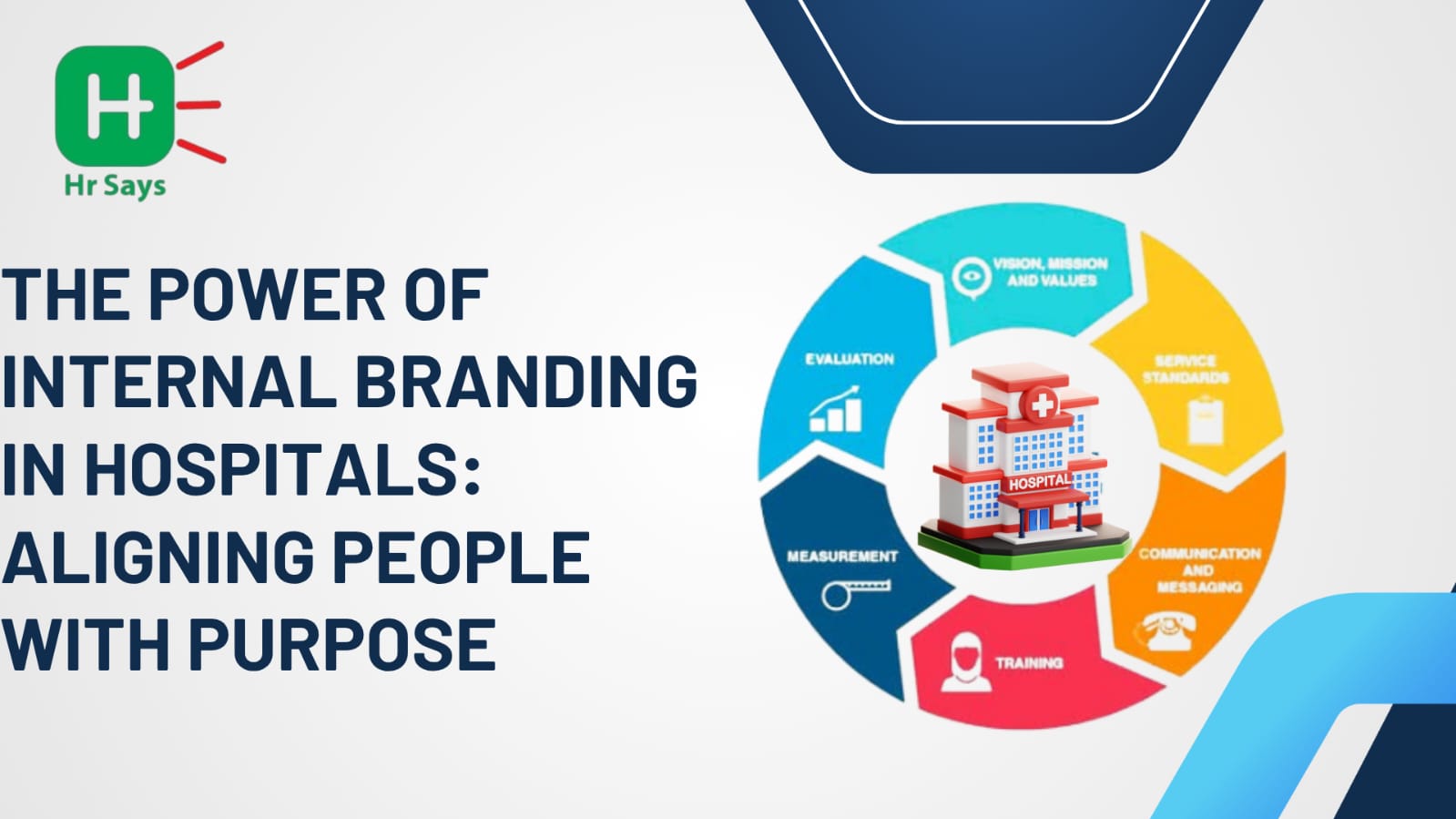
 Internal branding is not about logos or phrases. It is about people—doctors, nurses, and staff—understanding why they do what they do. When aligned with purpose, hospitals stop functioning as workplaces and start breathing as one brand.





What makes a hospital trusted? It’s not just advanced machines or patient count. It’s the people inside. If they don’t believe in the mission, no patient will. And that’s where internal branding begins.
Internal Branding Isn’t Optional
Hospitals often focus on external marketing—SEO, ads, websites. But branding starts within. When staff don’t feel connected, patients can feel it too. Disconnected teams lead to:
● Inconsistent care experiences
● Misaligned communication
● Drop in reputation
● Higher patient churn
In contrast, internal branding creates one voice, one standard, one promise.
Purpose Before Promotion
Before promoting doctors, services, or specialties… Ask: Do your people believe in your hospital’s purpose? Without shared belief, marketing feels empty. Branding fails.
To align internal teams with external goals:
● Share clear, consistent values
● Train staff to represent the brand
● Celebrate small wins rooted in patient outcomes
● Turn doctors into brand ambassadors, not just clinicians
When your healthcare growth strategy includes your staff, real momentum builds.
The Human Chain Behind Patient Trust
Healthcare is emotional. People don’t remember your hospital’s ad copy. They remember the
tone of the nurse, the confidence of the doctor, the clarity of the admin.
Every interaction becomes marketing. Every smile, delay, or misstep tells a story. If internal
branding is strong, the story is coherent and trustworthy.
Think of it this way:
● A confident receptionist reflects a trusted institution
● A caring nurse reflects an engaged system
● A clear discharge process shows brand integrity
This isn’t magic—it’s internal branding at work.
Where Marketing Meets the Ward
In the digital age, patients Google before they go. That’s where Healthcare Content Marketing,
Medical SEO, and Hospital Reputation Management enter. But clicks convert only when
promises match experience.
Internal branding supports:
● Doctor Branding: Clinicians who reflect hospital values attract trust online and off
● Healthcare CRM: Aligned staff use tools better, track patient needs, and follow up right
● Patient Acquisition: A unified message from staff creates loyalty
● Patient Engagement: Brand-consistent conversations build deeper connections
Marketing and business in healthcare can’t succeed without internal alignment.
Conclusion
You can’t fake purpose. And no amount of paid traffic or ad spend will fix a brand with internal
gaps.
In healthcare, every person is a message. Every message shapes your brand. So build it from the
inside out.
Because in hospitals, internal branding isn’t decoration—it’s survival.