Saturday, October 24, 2026
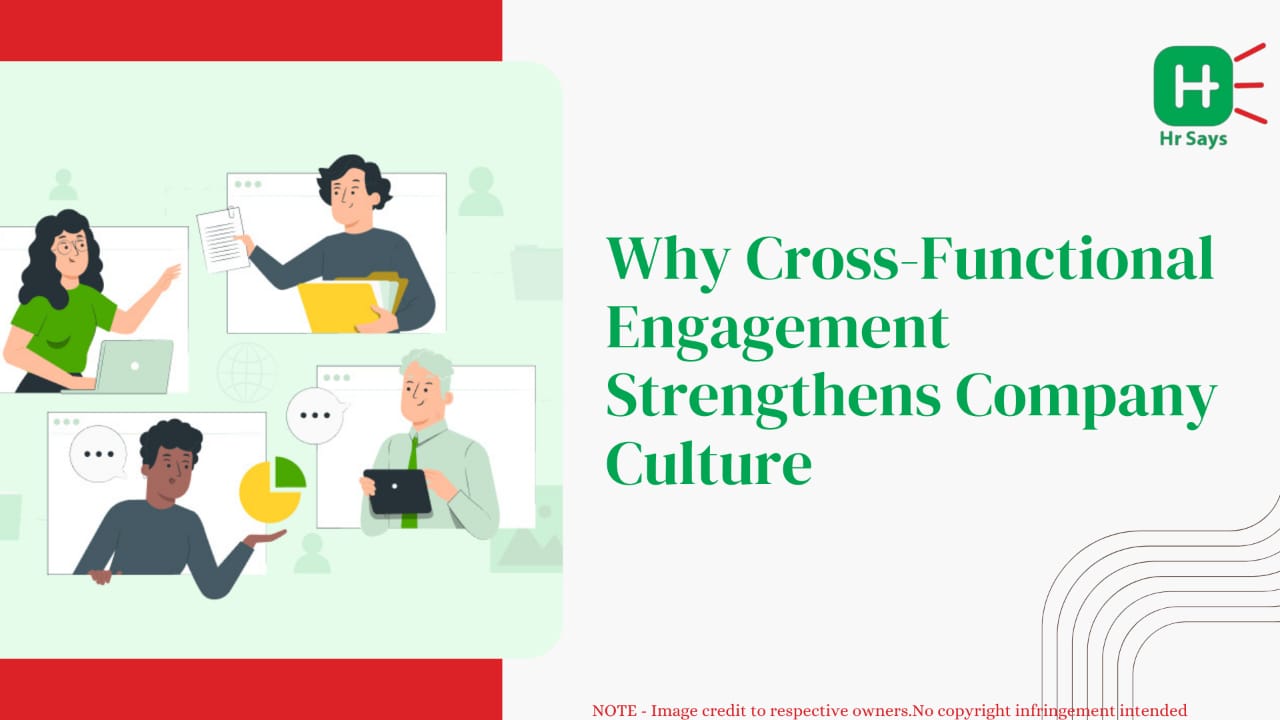
 Cross-functional engagement builds trust, clarity, and long-term cultural strength. It improves
communication and teamwork. Organisations that use simple collaborative practices create
resilient and adaptable environments where employees connect with purpose.
Cross-functional engagement builds trust, clarity, and long-term cultural strength. It improves
communication and teamwork. Organisations that use simple collaborative practices create
resilient and adaptable environments where employees connect with purpose.




Teams tend to move along their own path. but most of the problems at the work place require collective thinking. At this point, cross-functional participation intervenes. It assists the workers in relating, educating, and making better settings in which the workers find it easy to work together and this effort has significance.
The Role of Shared Purpose
Inter-departmental involvement brings about the overall sense of direction. Individuals start observing their place of work within the larger objectives. This is an understanding which enhances communication and lessens misunderstanding. Working with congruency of results makes the work of teams more clear. The common goal also reduces tension in the decision-making process. Stability of workflows is acquired even in the times of speed.
How Engagement Enhances Daily Collaboration
Employees interact beyond their departments. This broadens understanding and makes teamwork feel easier. Quick discussions replace long email threads. Trust grows in everyday exchanges.
Cross-functional projects support:
● Faster problem solving
● Reduced handoff delays
● Stronger accountability
● More innovative ideas
Teams develop habits that support adaptability. These habits strengthen the workplace as roles, tools, and expectations shift.
The Impact on Employee Growth
Cross-functional engagement gives employees fresh learning routes. Exposure to different functions builds new skills. Curiosity rises. People engage with broader organisational challenges.
H3 style subheading example:
Developing versatile strengths
Employees refine communication. They learn new tools. They observe how priorities shift across functions. These experiences shape a workforce that handles complexity with confidence.
Building leadership potential
Future leaders often emerge from cross-functional interactions. They practice active listening. They coordinate with peers at different levels. They gain perspective that strengthens long-term decision-making.
Why Engagement Strengthens Company Culture
Culture grows from daily interactions. Cross-functional engagement makes these interactions richer. People participate more actively. Silos become weaker. Information moves faster. Workplaces feel more supportive when employees understand each other. Teams show patience during peak workloads. Respect increases. Cultural alignment becomes easier to sustain.
Key cultural gains include:
● Greater transparency
● More reliable collaboration
● Stronger commitment to shared outcomes
● Better adaptability during change
Practical Ways to Boost Cross-Functional Engagement
Organisations can build engagement by creating simple, consistent touchpoints. Small steps create long-term improvement. These activities encourage natural bonding.
Open knowledge forums
Teams share updates. Insights flow across departments. People gain context that strengthens project decisions.
Rotational involvement
Employees join short rotations in other teams. Awareness grows. Miscommunication drops.
Shared problem circles
Groups tackle specific challenges. Participation remains voluntary. Solutions improve through varied input.
Conclusion
Cross-functional engagement strengthens company culture by expanding trust, awareness, and shared responsibility. It supports better teamwork and smoother workflows. Leaders who encourage it create workplaces ready for future challenges.