Saturday, October 24, 2026
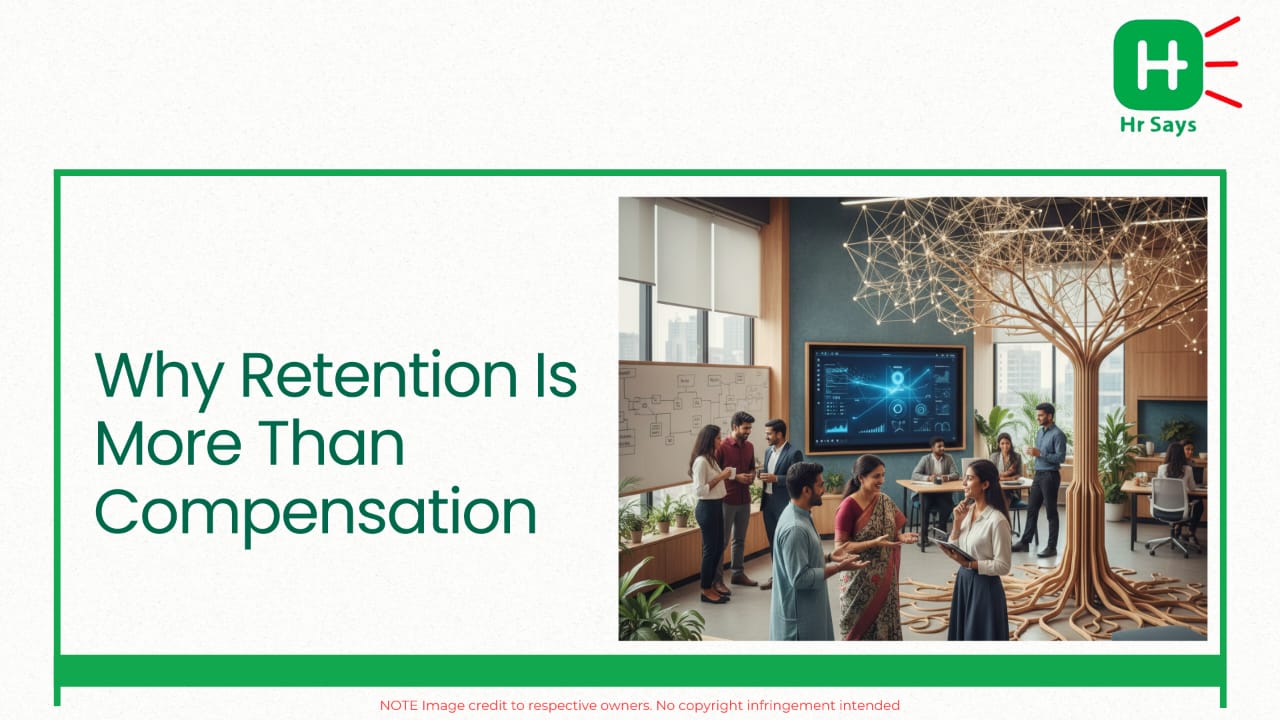
 Retention extends beyond compensation into culture, growth, trust, and flexibility. While pay
attracts talent, long-term commitment is shaped by daily experience. Employees stay where
emotional security, purpose, and respect are consistently practiced.
Retention extends beyond compensation into culture, growth, trust, and flexibility. While pay
attracts talent, long-term commitment is shaped by daily experience. Employees stay where
emotional security, purpose, and respect are consistently practiced.




Work has quietly changed. Wages continue to count when it comes to retaining individuals, but it is not sufficient. The employee turnover across industries is shifting towards positions that are well remunerated but empty. The meaning, stability, and respect which surpass the monthly payment is what is currently being sought.
The Shift From Pay To Purpose
Payments were traditionally considered to be the key motivation tool. That belief is facing some challenge. Although good salary has been anticipated, it is no longer considered to be grounds to be loyal. The degree of retention depends on the feeling people get after logging in to work every morning.
A sense of purpose has been considered superior to increments. The work performed can be voluntary when it is useful. When it is transactional, disengagement is constructed stealthily.
Emotional Security Builds Long-Term Commitment
Employees are retained where emotional safety is created. This is rarely written into offer letters, yet it defines daily experience.
Trust And Psychological Safety
Trust is built when voices are heard without fear. Mistakes are handled with maturity. Over time, people stay where they are not constantly bracing themselves.
Retention improves when:
● Opinions are acknowledged, even if not accepted
● Feedback is shared without humiliation
● Boundaries around work hours are respected
These factors are remembered longer than bonuses.
Growth Outlasts One-Time Rewards
Compensation is fixed to the present. Growth is tied to the future. When employees cannot see themselves evolving, exits are planned quietly.
Learning As A Retention Signal
Opportunities to learn are often read as signals of value. When skills are invested in, people feel invested in return. Career development, mentoring, and role clarity shape loyalty more effectively than short-term financial incentives.
Trending workplace conversations now circle around upskilling, internal mobility, and career pathways. These are retention tools, not perks.
Culture Is Experienced Daily, Not Annually
Salary revisions happen once a year. Culture is experienced every day. That difference matters.
A healthy culture is felt in small moments:
● How meetings are conducted
● How credit is shared
● How pressure is managed during deadlines
Poor culture slowly cancels out good pay. Strong culture quietly justifies average pay. This reality is being acknowledged more openly across modern workplaces.
Flexibility Is Interpreted As Respect
Remote work, hybrid models, and flexible schedules are no longer benefits. They are interpreted as respect for life beyond work. Retention increases when autonomy is trusted.
Time flexibility reduces burnout. Burnout erases the value of compensation. This connection is now well understood in workforce retention strategies.
The Cost Of Ignoring Retention Drivers
When retention is treated as a salary problem alone, deeper issues remain unresolved. Attrition becomes repetitive. Hiring costs rise. Team morale weakens.
What is lost is not just people, but continuity, trust, and shared knowledge. These losses are rarely recovered through higher pay alone.
Conclusion
Retention is built through consistency, not compensation alone. Fair pay opens the door, but people stay where they feel secure, respected, and seen. Money starts the relationship. Culture, growth, and trust are what sustain it.