 Saturday, October 24, 2026
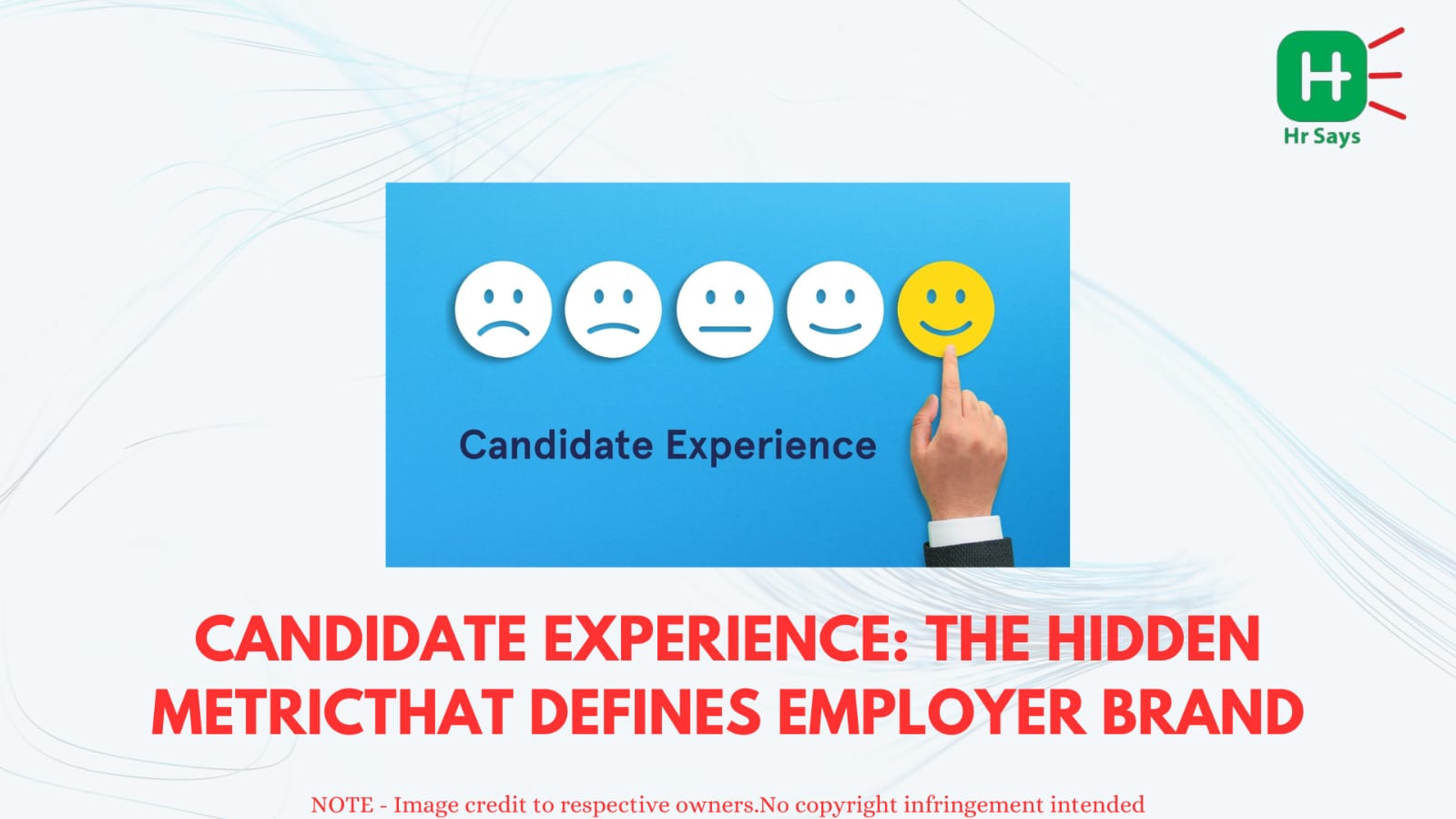
 This blog highlights how candidate experience quietly shapes employer brand. It explains why
respectful hiring practices improve trust, strengthen recruitment outcomes, and support long
term talent acquisition goals.
This blog highlights how candidate experience quietly shapes employer brand. It explains why
respectful hiring practices improve trust, strengthen recruitment outcomes, and support long
term talent acquisition goals.




This is because you have always wondered why certain companies can easily attract great talent whereas others do not do so even though they offer good remunerations. The actual solution is usually at the sidelines. It is molded well before onboarding and well after one has made an application in a job. It is the candidate experience and many businesses neglect the fact that it has a greater impact on employer brand.
What Is Candidate Experience and Why It Matters
Candidate journey is developed since the time a person learns about a job opportunity. Each process such as application to the interview process creates an unspoken reputation. An interview that is dignified, systematic and personable makes an impression. So does silence, misunderstanding or procrastinations. And candidates talk. Their stories characterize employer branding in the best way possible before any marketing campaign could go into play.
A smooth recruitment process often reflects a company’s culture. It signals how employees may be treated, how communication flows, and how trust is built. When positive interactions are offered, talent acquisition becomes easier. When the experience is poor, companies lose quality applicants long before a final offer.
What Shapes a Strong Candidate Experience
A few simple factors shape whether a candidate journey feels respectful or disappointing. These elements often influence how recruitment strategy is judged by applicants.
● Clear job descriptions that set the right expectations
● A user friendly application system
● Timely updates during each hiring stage
● Interview rounds that feel structured and purposeful
● Transparency about role fit, growth, and culture
● A well coordinated onboarding experience
These steps seem basic, yet many organizations miss them. When ignored, even strong employer brands appear inconsistent.
How Candidate Experience Impacts Employer Brand
A company’s employer brand lives in the stories shared by candidates. Even those who do not get selected shape public perception. In today’s hiring landscape, feedback travels fast. A confusing interview process, long waiting periods, or unclear communication can harm the reputation of any organization.
When candidates feel valued, even a rejection feels fair. When they feel dismissed, negative impressions spread. Strong candidate experience helps:
● Build trust among applicants
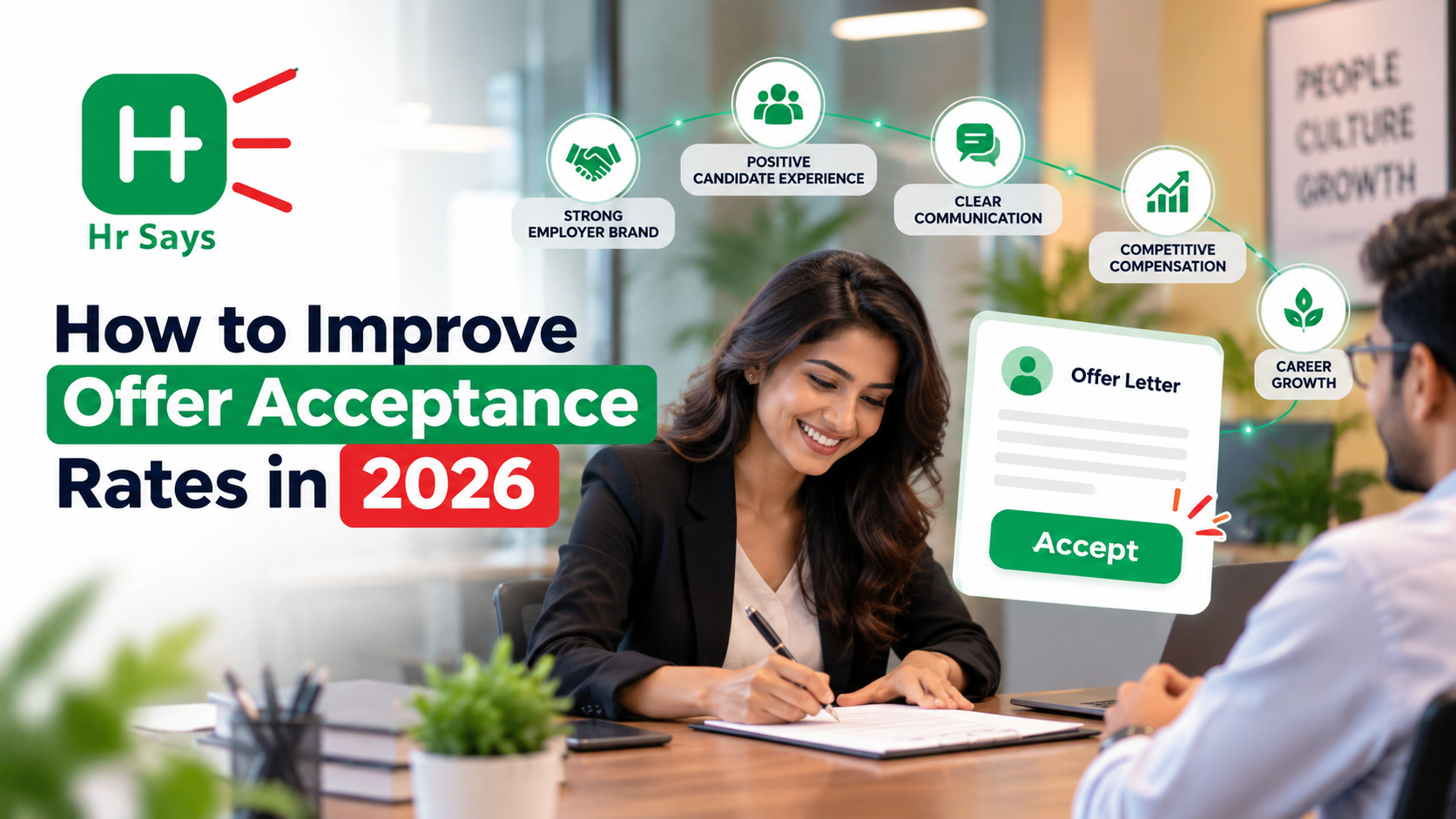
● Improve offer acceptance rates
● Reduce drop offs during the hiring process
● Strengthen online reviews on job portals
● Support long term hiring goals
The impact is subtle yet powerful. A single positive journey encourages more applications in the future.
Small Changes That Transform the Hiring Process
A complete overhaul is not always needed. Sometimes small and thoughtful actions improve the hiring flow quickly.
● Train interviewers to maintain consistency
● Provide realistic timelines for selection
● Acknowledge applications promptly
● Share clear next steps after each round
● Offer simple feedback when possible
These adjustments help candidates feel valued. They also make the recruitment team appear more organized.
Conclusion
The most influential part of employer branding is often invisible. It is built through conversations, follow ups, and small gestures during the candidate journey. When companies invest in improving their hiring process, talent responds. And the employer brand becomes stronger without extra effort. A thoughtful candidate experience is not a perk. It is a strategic advantage.