 Tuesday, November 17, 2026

 This blog explores the career lessons shared by India’s most successful HR leaders. From career growth strategies to women leaders in HR India, tech trends, and employee engagement, it highlights how resilience and foresight shape long-term success.





What can modern HR practices learn from the experiences of the most successful HR leaders in India? Their experiences show how reviewing back, jumping, and being strategic influence a long career in the field of people management.
Shaping the HR Career Path
All HR heads have to start with small steps, and they usually work as recruiters or helpers. The ladder career in India of HR care gives out the positions of recruiter to CHRO. It requires continual upskilling and knowledge of organisational requirements. Those who survived to the top-level established a base of trust among the employees as well as credibility among the business leadership.
Career Growth For HR Professionals
Growth in HR is more than promotions. It involves building leadership skills for HR managers, seeking essential HR certifications in India, and embracing technology. Career growth for HR professionals requires balancing empathy with analytics. By understanding both people and data, leaders position themselves as problem-solvers.
● Invest in learning HR analytics and data-driven decision making
● Build cross-industry networks
● Develop strong communication and negotiation skills
● Stay updated on HR digital transformation trends 2025
Women Leaders In HR India
Many women leaders in HR India are reshaping workplaces. They are driving diversity and inclusion in Indian workplaces, championing hybrid work trends in India, and making mental health a boardroom conversation. Their leadership proves that balancing business goals with human values is possible when empathy leads.
HR Tech And Transformation
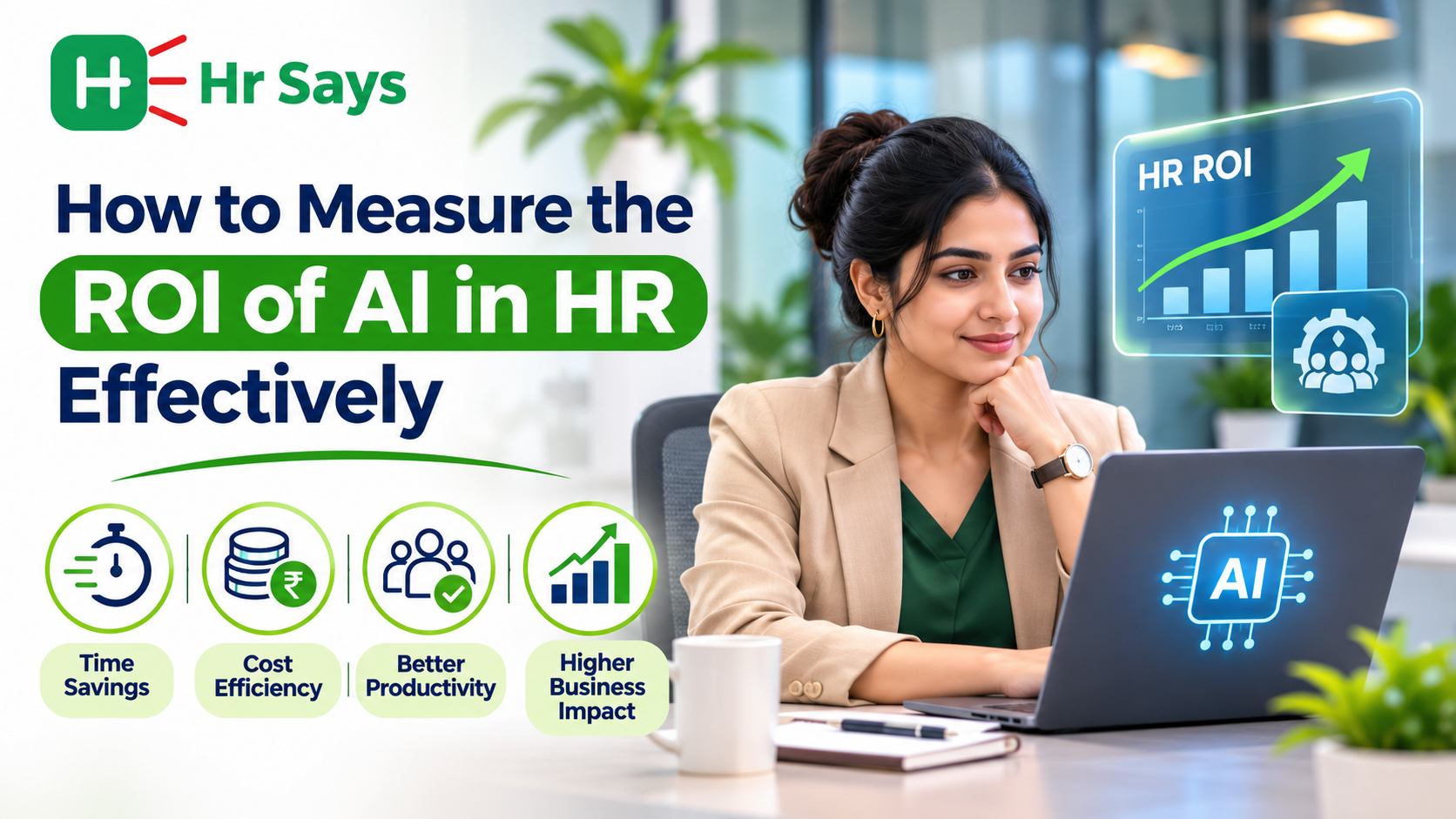
Technology now defines modern HR. From HR automation benefits for companies to the role of AI in HR management, leaders embraced innovation early. Successful HR professionals did not resist change. They experimented with best HR tools for small businesses in India and scaled solutions for larger organizations. HR tech trends in India 2025 show a future where automation and people decisions work together.
Employee Engagement Strategies That Last
Employee engagement strategies for Indian companies remain central. The top HR leaders in India 2025 believe retention is less about perks and more about culture. Building workplace culture in Indian companies takes consistent effort. Small actions like listening, recognizing contributions, and aligning values with business goals make employees stay.
Overcoming HR Career Challenges
HR career challenges and solutions evolve with time. Leaders faced compliance hurdles, employee retention challenges in India, and resistance to change. Yet, they turned these into opportunities by focusing on mental health and HR role in India, improving employee performance management, and redefining upskilling. Their stories underline that challenges are stepping stones, not barriers.
Conclusion
The lessons from India’s most successful HR leaders remind us that HR is no longer an administrative role. It is a career built on foresight, adaptability, and courage. For those aiming to grow, the path lies in blending people skills with digital readiness. The next wave of HR leaders will be those who think ahead, act with empathy, and use technology wisely.