 Saturday, October 24, 2026
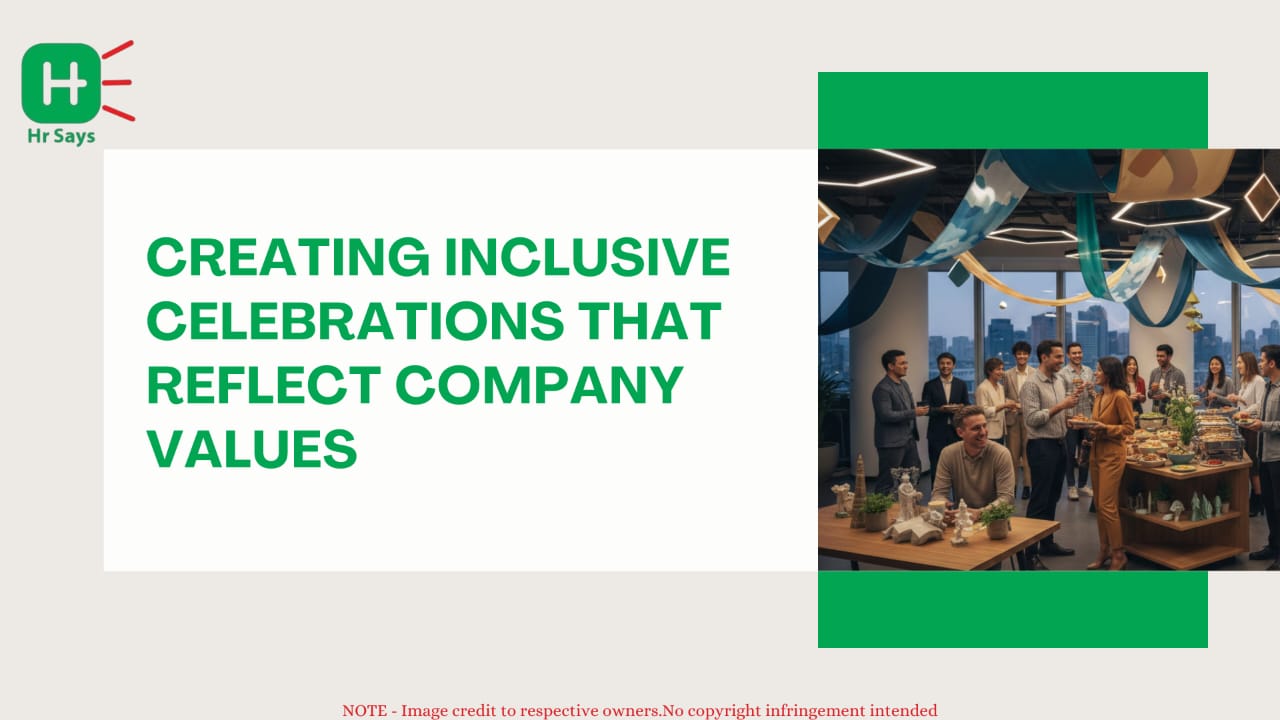
 This blog explores how inclusive celebrations can be shaped through diversity awareness, value
alignment, accessibility, and employee input. Practical steps help teams create events that feel
genuine, respectful, and meaningful within evolving workplace culture.
This blog explores how inclusive celebrations can be shaped through diversity awareness, value
alignment, accessibility, and employee input. Practical steps help teams create events that feel
genuine, respectful, and meaningful within evolving workplace culture.




Inclusive parties make the teams feel acknowledged. An organization is likely to have a more personal touch when the occurrences are mirrored in common values. Big things come out of little things.
Why This Matters
Inclusive parties develop confidence and connection. Workers will interact more effectively when cultural occasions are identified with the prudence in mind. This change is in line with the movement concerning workplace well being, diversity consciousness, and value based leadership. Contemporary teams need quality experiences. The business reaction is to redefine celebrations to show identification and purpose.
Understanding Your Team’s Diversity
A team carries many cultural, social, and personal identities. Awareness helps celebrations stay relevant and respectful.
Encourage Dialogue
Employees feel valued when their voices shape decisions.
● Create short surveys to understand preferred celebrations.
● Ask about dietary needs, accessibility needs, and cultural expectations.
Identify Cultural Overlaps
Patterns help in designing shared events. This keeps planning smooth and avoids misunderstanding.
Embedding Company Values in Every Celebration
Celebrations feel authentic when they mirror what the company stands for. A mismatch feels forced, so clarity helps.
Start With Core Principles
Values like respect, sustainability, or creativity guide ideas. Events shaped by principles feel grounded.
Align With Behavioural Norms
If teamwork is valued, activities should encourage group participation. If learning is important, celebrations may include small knowledge sharing moments.
Creating Celebration Rituals That Include Everyone
Rituals become long term cultural anchors. They work best when low pressure and accessible.
Design Flexible Participation
Every employee may not prefer loud gatherings. Offer quiet zones or alternate participation options.
Keep Costs and Themes Thoughtful
Avoid celebrations that push unwanted spending. Affordable themes reflect a fair culture. This supports financial wellbeing, a trending topic in modern HR narratives.
Respecting Cultural, Social, and Personal Boundaries
Boundaries help celebrations stay inclusive.
Mind Religious and Cultural Differences
Not everyone observes the same festivals. Seasonal celebrations can be reframed as optional community moments rather than mandatory events.
Consider Accessibility
Simple adjustments make events more welcoming.
● Provide wheelchair friendly layouts.
● Offer food labels, including allergen details.
● Ensure seating for those who need it.
Building a Calendar of Meaningful Events
A well planned annual calendar makes celebrations smoother and more equitable.
Include Global and Local Events
Blend international observances with locally resonant days. This creates balanced representation.
Give Employee Committees a Voice
Small committees support inclusive ideas. Rotating members keep perspectives fresh and fair.
Conclusion
Inclusive celebrations feel honest when they match company values and reflect team diversity. Small thoughtful choices create a workplace where people feel acknowledged. When celebrations mirror everyday culture, they build trust that lasts and a community that grows with intention.