Saturday, October 24, 2026
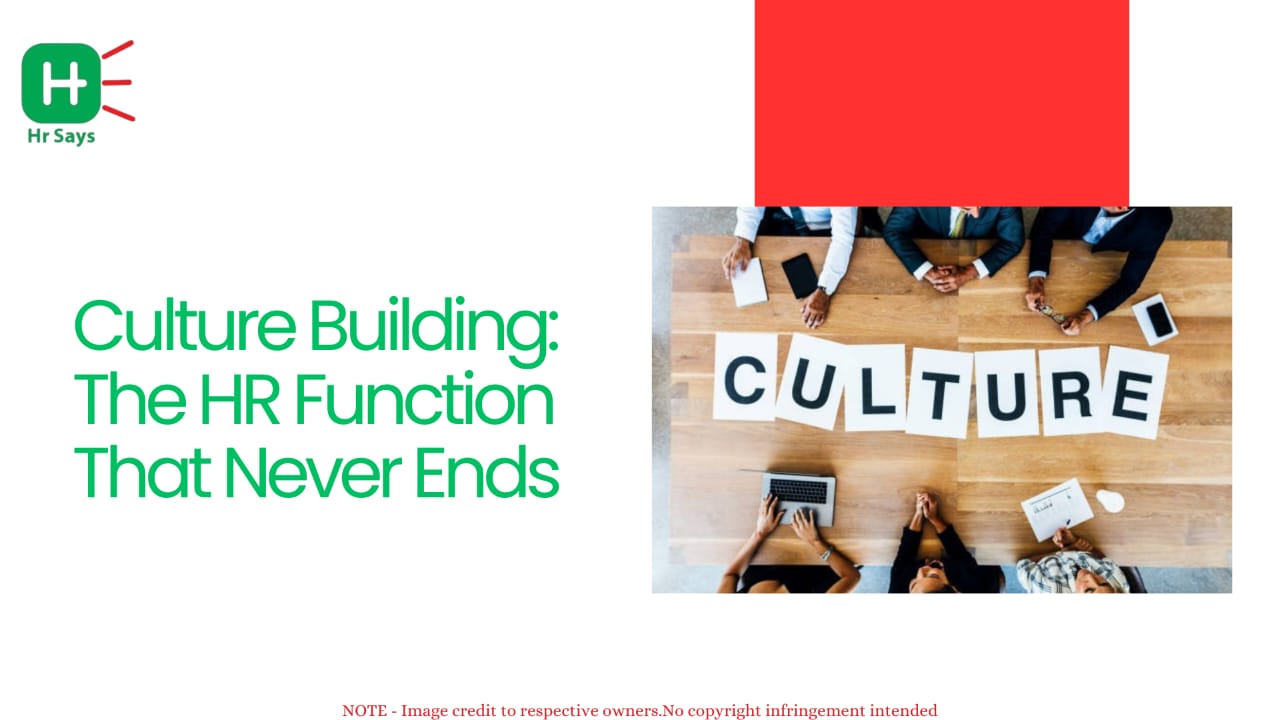
 This blog explores the continuous nature of culture building and explains the role HR plays in
shaping behaviours, communication, leadership alignment, and employee experience. It
highlights practical steps that support strong, adaptable, long lasting workplace cultures.
This blog explores the continuous nature of culture building and explains the role HR plays in
shaping behaviours, communication, leadership alignment, and employee experience. It
highlights practical steps that support strong, adaptable, long lasting workplace cultures.




Organisations desire productivity, loyalty and stability. But what is driving all three is culture. It silently thrives in the background and determines the life in the way human beings appear on a daily basis. It is made the custodian of HR, which takes it through all shifts, seasons and hurdles.
The Everyday Reality Of Culture Work
A culture is seen as one time of work. As a matter of fact, it is in motion at all times. It is affected by changes in the market, hybrid work, diversity changes, and employee expectations on a daily basis. The HR teams tend to be the first to detect such trends and re-align experiences.
What Drives A Strong Workplace Culture
A strong culture is not created through slogans. It is shaped through consistent actions. HR plays a central role in keeping this rhythm steady.
● Roles are clarified early to avoid confusion.
● Communication flows smoothly across teams.
● Conflicts are resolved with fairness.
● Leaders are trained to model positive behaviours.
These practices increase employee engagement, retention, and trust. They create a workplace where people feel safe to perform at their best.
Key Elements HR Must Focus On
Leadership Alignment
Culture takes direction from the top. When leaders speak one thing and act another, trust declines. HR ensures leadership behaviour, expectations, and work ethics stay aligned with the organisation’s values.
Employee Experience
Employee experience is shaped by every interaction. Hiring, onboarding, performance reviews, and exits all influence how people perceive the organisation. HR maintains consistency and fairness across touchpoints to keep the experience predictable and transparent.
Learning And Growth
Growth opportunities shape cultural identity. When development becomes accessible, employees feel more committed. HR ensures continuous learning options are available, relevant, and easy to use.
Why Culture Building Never Ends
Workplaces evolve. Talent expectations shift. New generations enter with different priorities. HR adapts policies, work styles, and communication patterns to keep pace. Culture functions like a living system. It needs attention during transitions, setbacks, and rapid growth phases.
Hybrid work, digital adoption, and global collaboration continue to influence cultural norms. HR monitors these trends and adjusts practices to keep the environment stable and inclusive.
How HR Can Build A Culture That Lasts
● Maintain clear behaviour standards.
● Encourage open, honest communication.
● Recognise contributions regularly.
● Provide structured growth paths.
● Keep policies transparent and accessible.
These actions help employees feel seen and valued. They also build a culture that remains resilient through uncertainty.
Conclusion
Culture building shapes how people work, grow, and connect. HR guides this process with steady actions that influence long term outcomes. The work remains ongoing, but its impact strengthens the organisation at every stage.