Saturday, October 24, 2026
 Technology is reshaping core HR operations through automation, analytics, and cloud-based
tools. This transformation enhances efficiency, data accuracy, and employee engagement,
turning HR into a strategic driver of organizational growth and human connection.
Technology is reshaping core HR operations through automation, analytics, and cloud-based
tools. This transformation enhances efficiency, data accuracy, and employee engagement,
turning HR into a strategic driver of organizational growth and human connection.




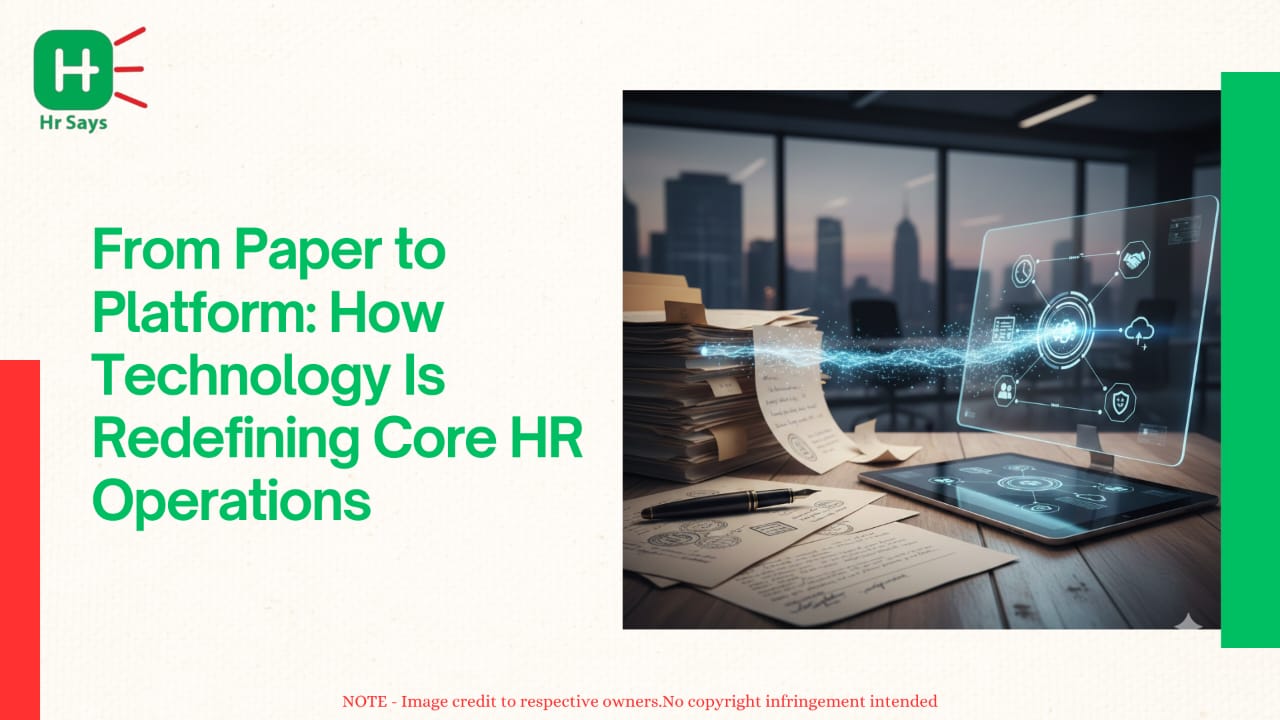
When the human resources become more than files, forms and folders, what is going to happen? Manual tracking and paperwork, which were the buzzwords of the HR department, are replaced by automation, analytics and online cooperation. Replacement of paper with platform not only altered the activities of the HR but also of organizations in the fundamental way they operate.
The Digital Shift in HR: More Than Just a Trend
The implementation of HR technology has graduated way past being convenient. Since payroll systems and other performance management features are all digitally available. HR personnel that previously spent hours on sorting records now analyze data, stimulate engagement, and make quality decisions on the fly.
Technology in core HR operations is redefining:
● Recruitment and onboarding processes
● Employee engagement and retention strategies
● Payroll and compliance tracking
● Performance evaluations and analytics
The digital transformation is not about replacing humans but empowering them. It is about giving HR teams the time and tools to focus on people rather than paperwork.
From Manual to Smart: The Rise of Cloud-Based HR Systems
Cloud-based HR software has become the backbone of modern workplaces. It connects departments, streamlines processes, and offers real-time access to information. What used to take days can now be done in minutes.
These systems are redefining how data is stored, shared, and secured. Remote teams can access employee profiles, update records, or process approvals without waiting for physical files. It’s efficient, accurate, and environmentally friendly.
Key advantages include:
● Centralized data management
● Automated payroll and attendance tracking
● Seamless employee self-service portals
● Real-time analytics for decision-making
By moving to cloud platforms, HR leaders can maintain transparency, reduce administrative workload, and improve compliance tracking across departments.
Analytics and AI: The New Power Duo in HR
Artificial intelligence and data analytics have quietly taken over the HR space. Predictive tools help forecast employee turnover, identify skill gaps, and analyze workforce trends. What was once instinct-driven is now insight-driven.
AI-driven chatbots assist in onboarding and answering employee queries, while analytics platforms measure engagement levels and performance patterns. The result? Smarter, data-backed decisions that improve both productivity and employee satisfaction.
The combination of AI and human judgment ensures that technology supports empathy, not replaces it.
Human Touch in a Digital World
While technology enhances efficiency, the essence of HR remains human connection. Digital tools cannot replace conversations, mentorship, or trust. They simply make those interactions more focused and informed.
The goal is balance—where HR automation handles the routine, and professionals handle the meaningful. Empathy still drives culture, while platforms provide structure. Together, they shape the modern workplace.
Conclusion
The journey from paper to platform has transformed HR into a strategic partner rather than an administrative function. Digital tools now power core HR operations, allowing teams to focus on people, performance, and purpose. The future of HR lies in this blend of technology and human understanding—a partnership that keeps evolving, just like the workforce it supports.