Search Results

You searched for : ModernWorkplace  

Learning Preferences of the Gen Z Workforce

Gen Z employees prefer digital, flexible, and practical learning experiences. Short modules, personalized learning paths, and interactive platforms are widely favored. Understanding these preferences helps ...
Mar 14

Why Gen Z Craves Frequent Feedback

Gen Z professionals prefer frequent feedback because it supports continuous learning, clarity, and workplace alignment. Shaped by digital communication and fast paced environments, regular feedback ...
Mar 14

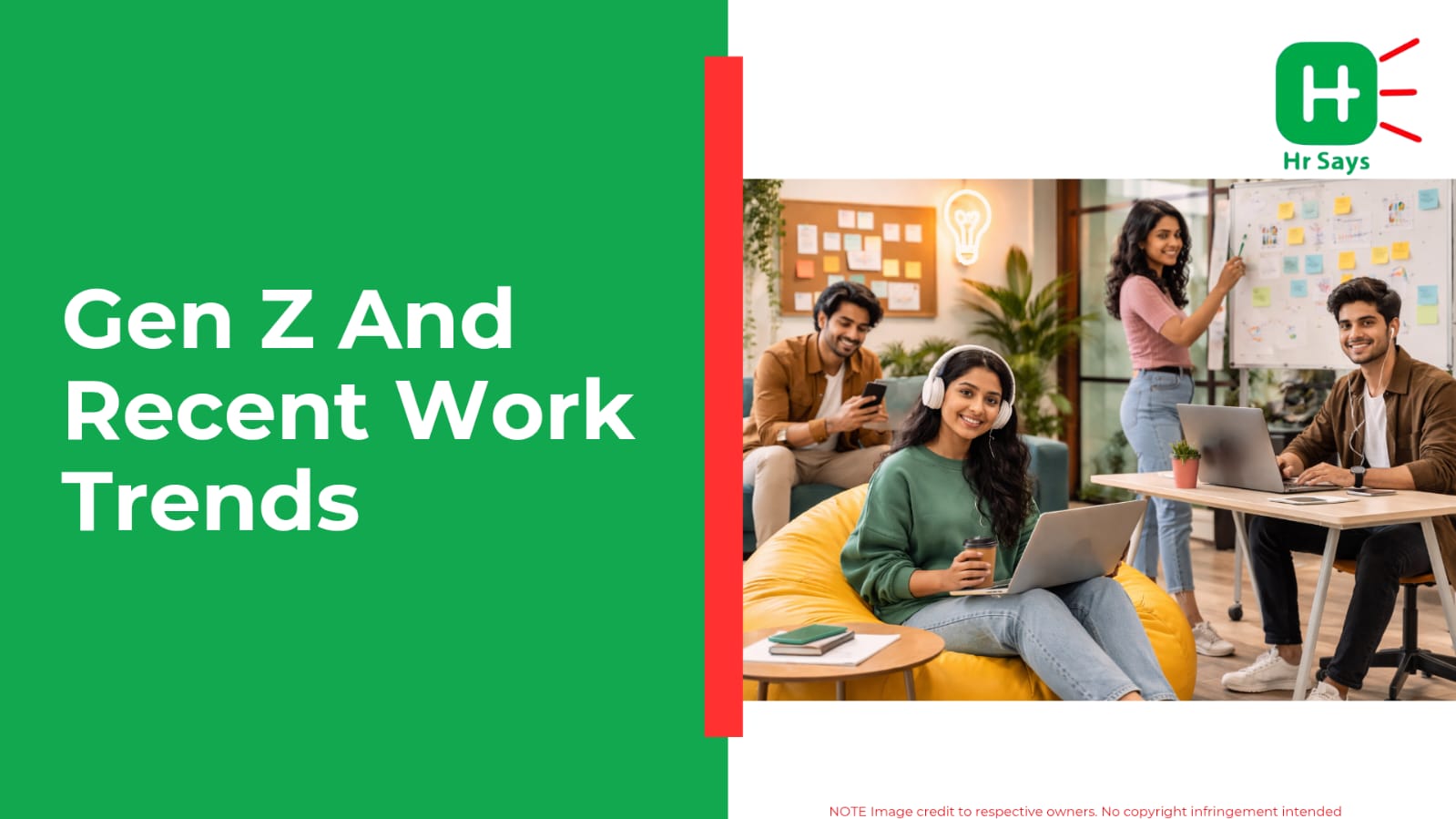
Gen Z And Recent Work Trends

Gen Z is transforming the current working culture to emphasize purpose, flexibility, and well-being. It is recommended that employers should develop rewarding job opportunities, ...
Mar 13

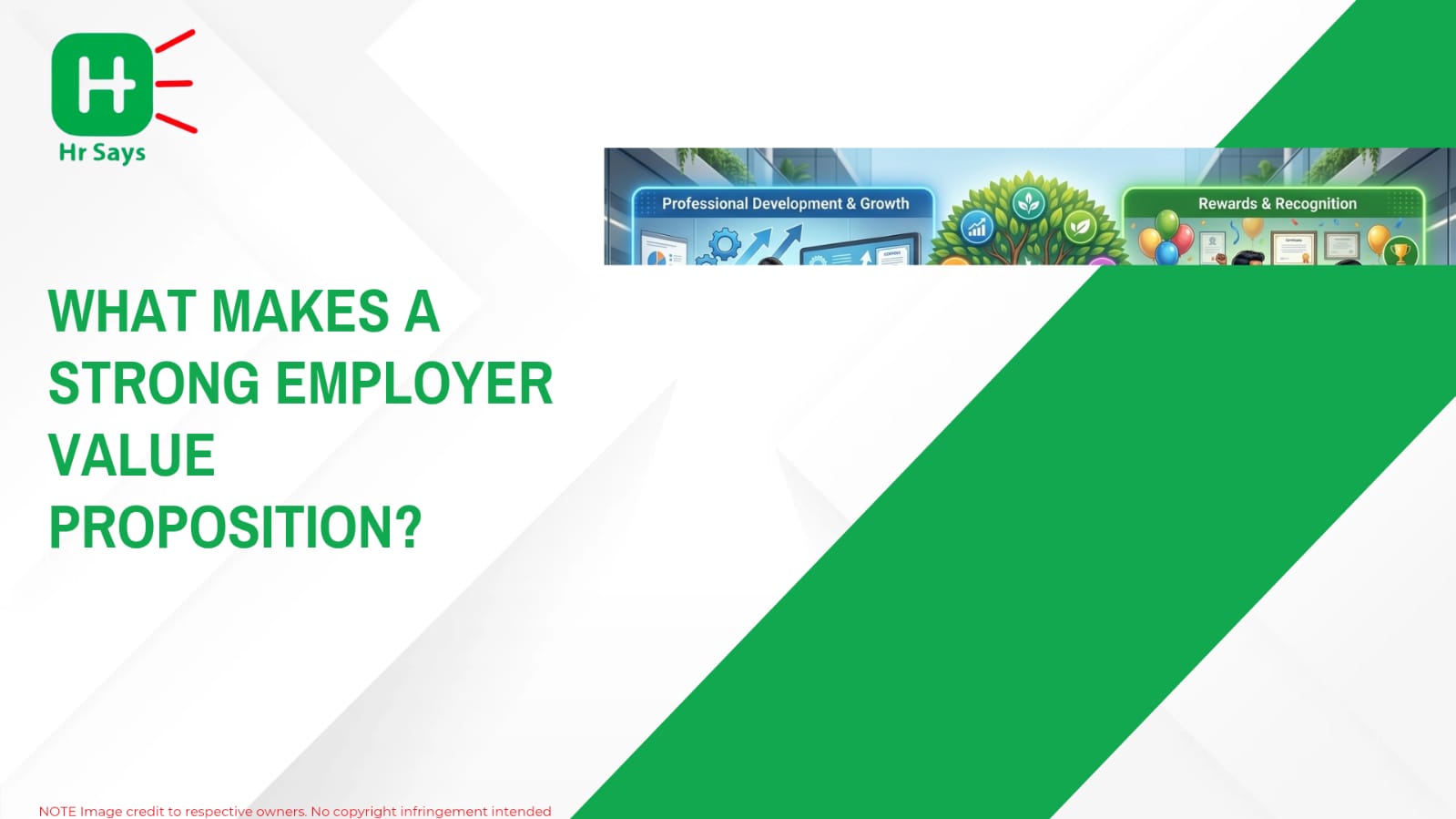
What Makes a Strong Employer Value Proposition?

A strong Employer Value Proposition defines the real value employees receive from an organization. When culture, growth opportunities, benefits, and workplace flexibility align with...
Mar 10

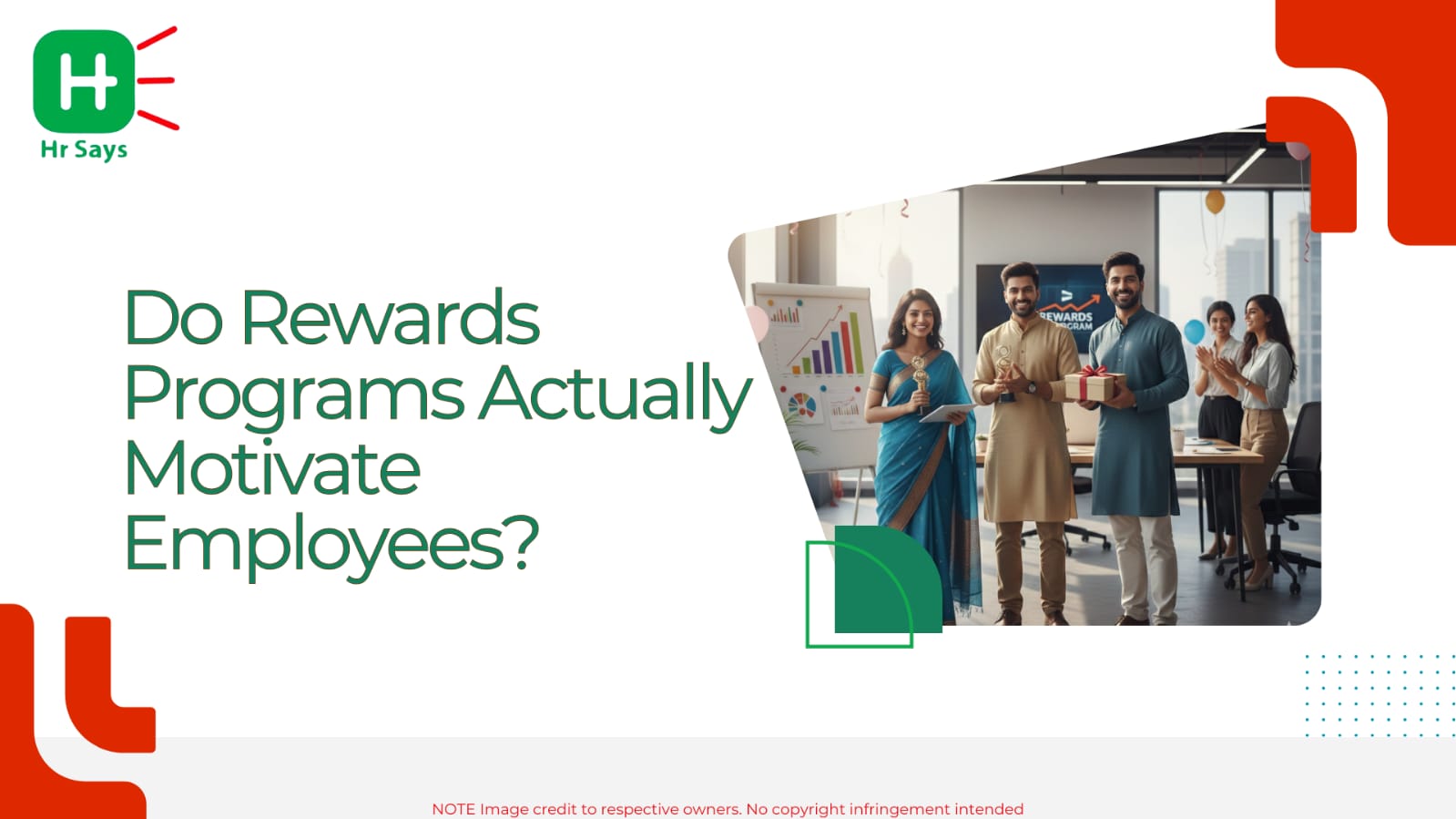
Do Rewards Programs Actually Motivate Employees?

Rewards programs can influence behavior, but their impact on long-term motivation is limited. Sustainable employee motivation is more effectively supported through fairness, recognition, purpose, ...
Feb 10

Why Traditional Engagement Surveys Are Failing

Traditional engagement surveys are losing effectiveness due to outdated timing, low trust, and lack of context. As work continues to evolve, engagement measurement must shift ...
Feb 10

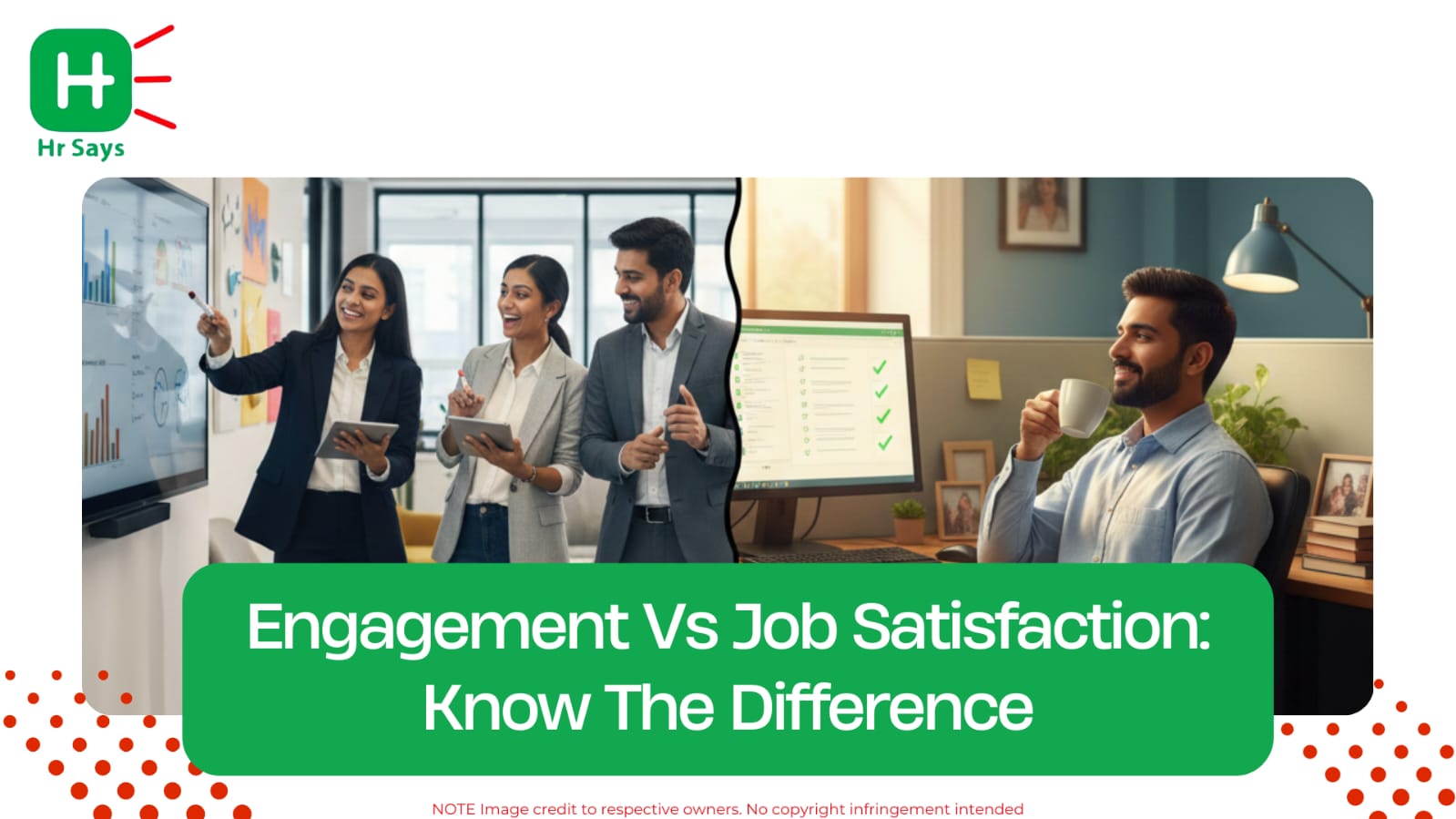
Engagement Vs Job Satisfaction: Know The Difference

Job satisfaction reflects comfort and stability, while employee engagement reflects emotional connection and involvement. Understanding the difference helps organizations balance retention, motivation, and performance in ...
Feb 10

Gamification at Work: Fun or Forced?

Gamification at work blends game mechanics with daily tasks to boost engagement and productivity. Its success depends on thoughtful design, employee choice, and alignment with ...
Feb 10

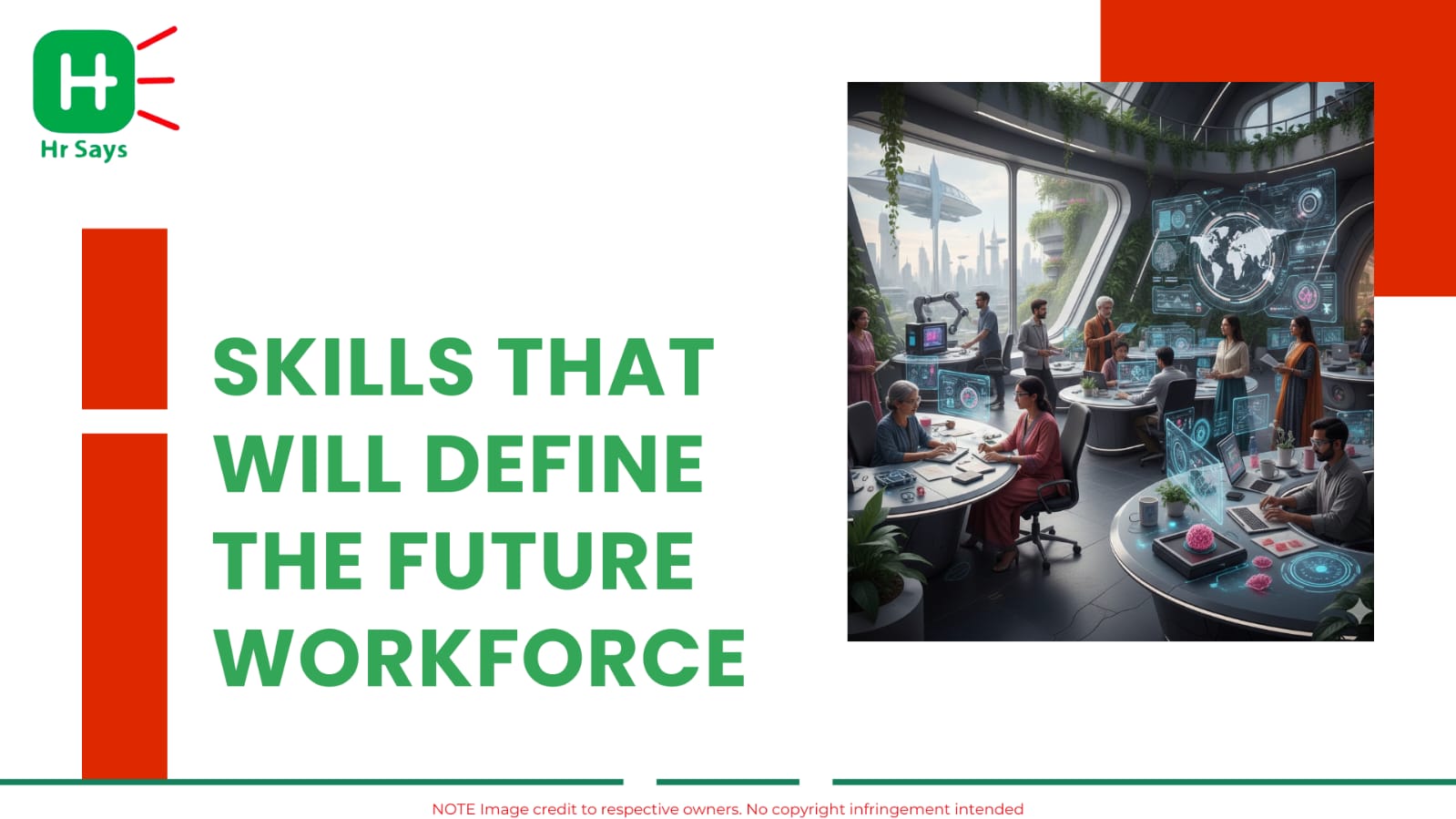
Skills That Will Define the Future Workforce

The future workforce will be shaped by adaptability, digital literacy, emotional intelligence, and analytical thinking. As roles evolve, continuous learning and human centered skills are ...
Feb 09

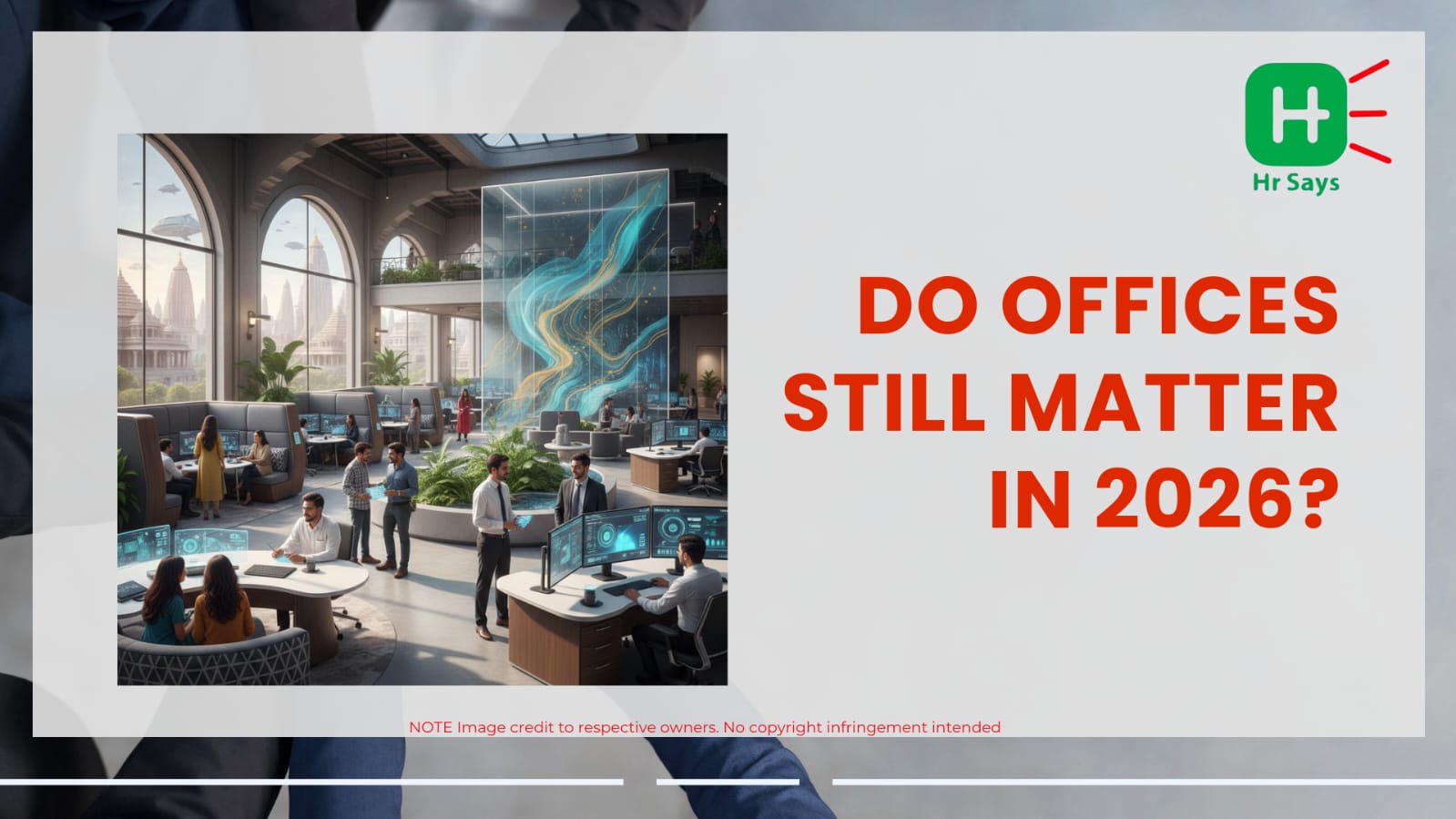
Do Offices Still Matter in 2026?

Offices in 2025 have shifted from mandatory spaces to purposeful environments. Their relevance depends on collaboration needs, culture building, and employee choice. Flexible, hybrid models ...
Feb 07

The Four-Day Workweek Debate: Productivity or Myth?

The four-day workweek continues to be debated as productivity, balance, and burnout reshape modern work. Its success depends less on reduced days and more ...
Feb 06

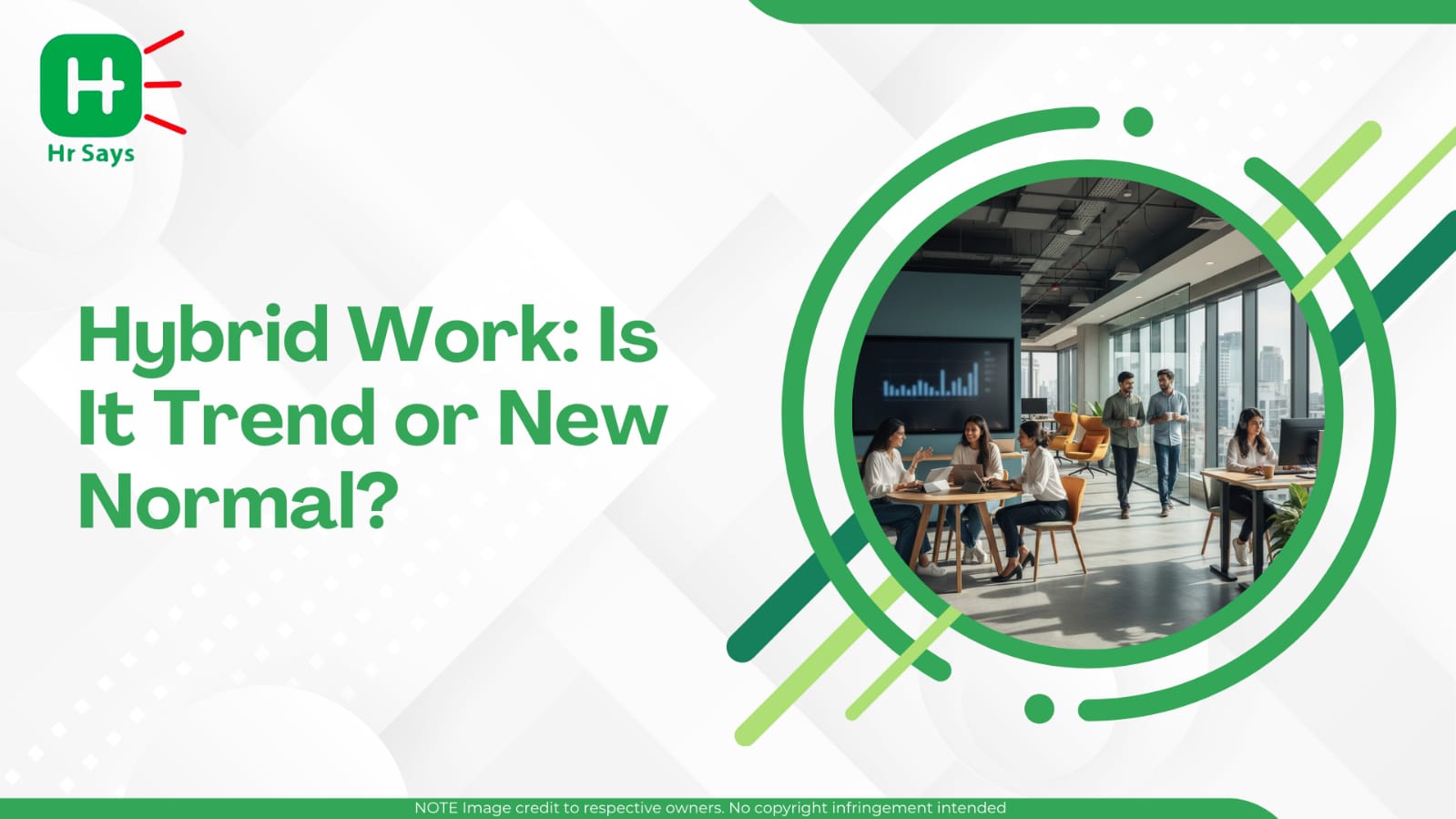
Hybrid Work: Is It Trend or New Normal?

Hybrid work blends remote and in office models to meet evolving workplace needs. This blog explores productivity, employee experience, and sustainability, offering a balanced view ...
Feb 06

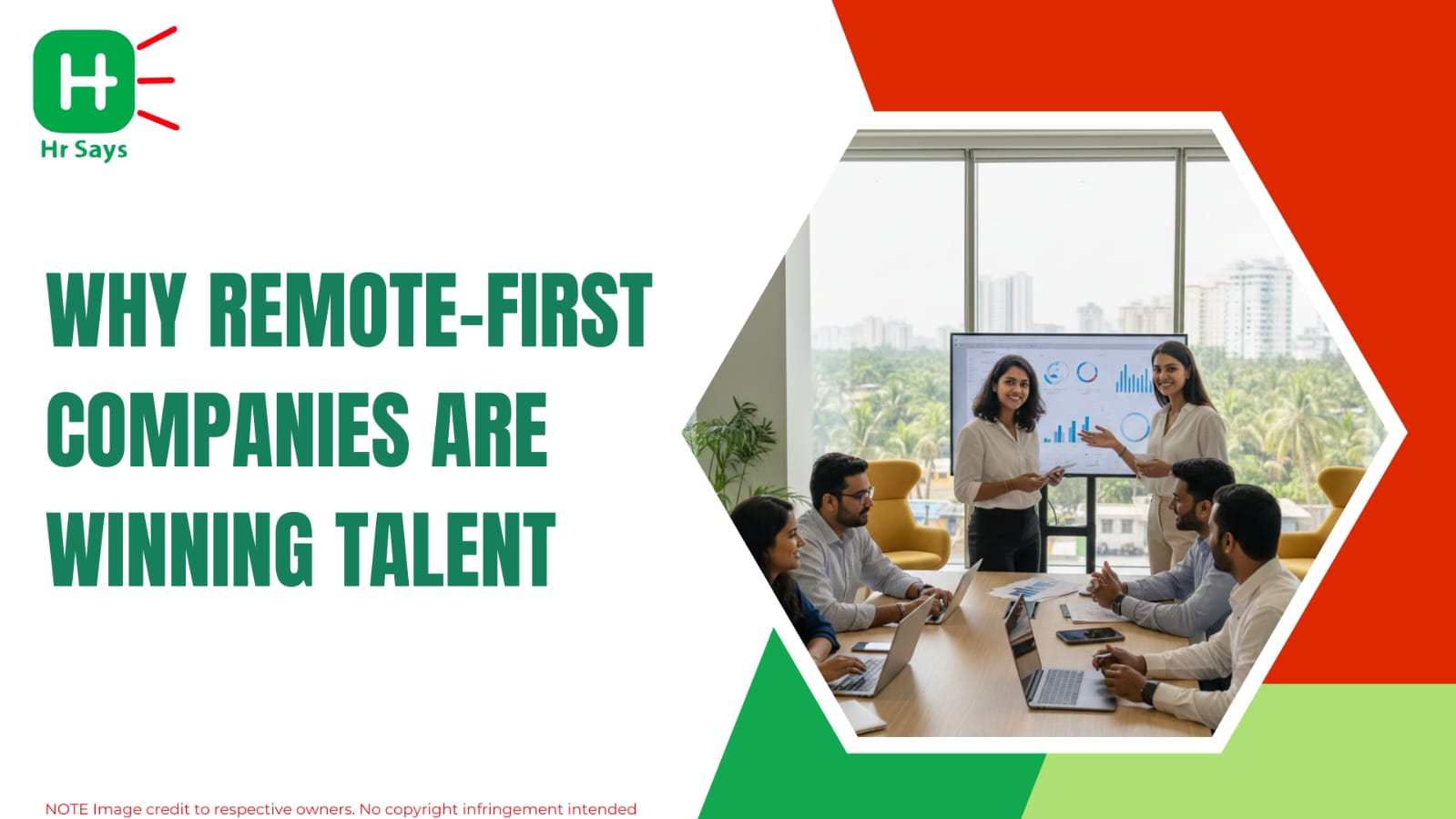
Why Remote-First Companies Are Winning Talent

Remote-first companies are attracting talent by prioritising flexibility, trust, and global access. Through people-centric structures and outcome-based work models, hiring has been ...
Feb 06

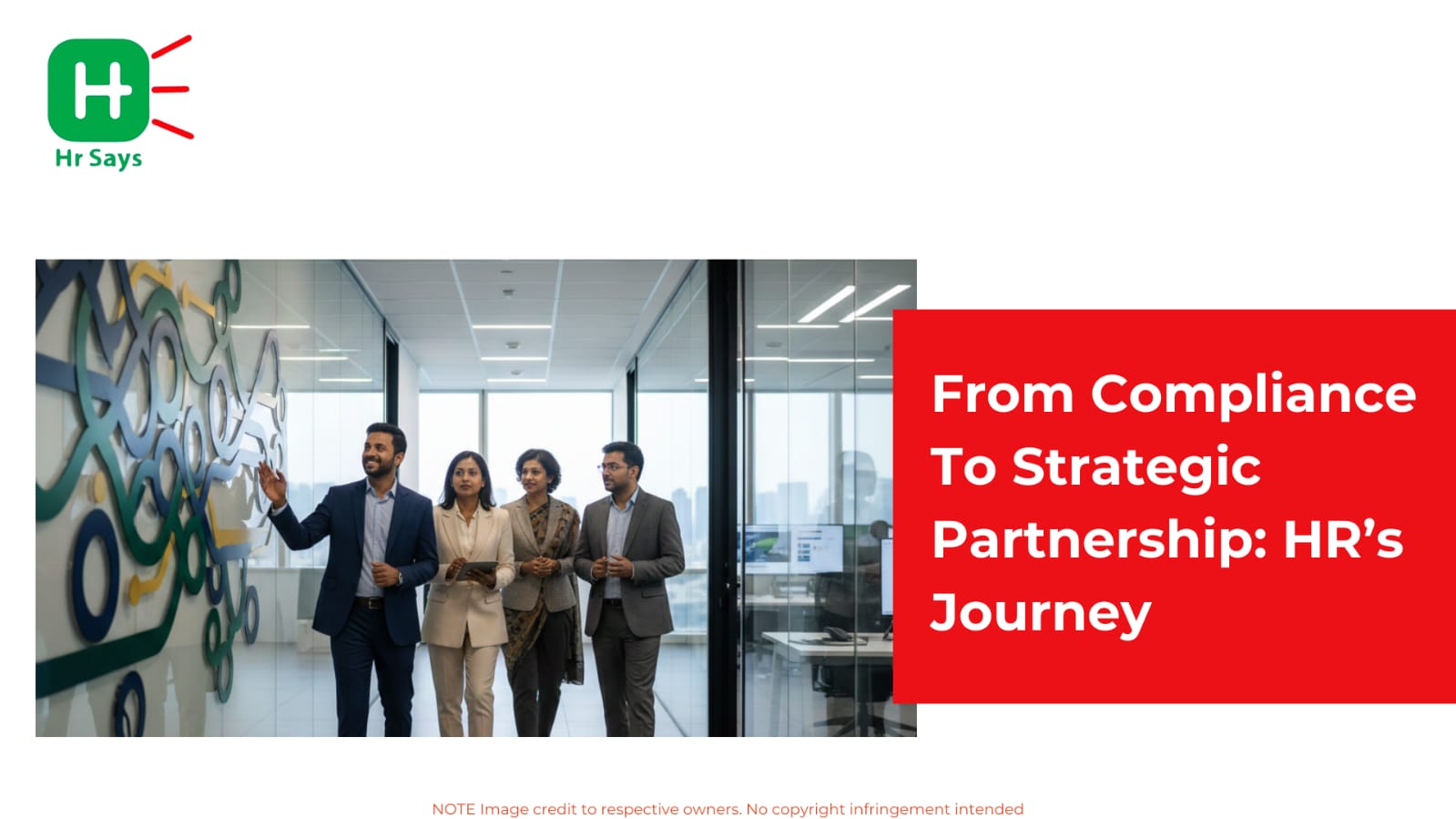
From Compliance To Strategic Partnership: HR’s Journey

HR has evolved from a compliance-focused function to a strategic business partner. This shift has been driven by changing workforce needs, technology adoption, and ...
Feb 02

How Technology Is Reshaping HR Responsibilities

Technology is transforming HR from an operational function into a strategic partner. Through automation, analytics, and digital engagement tools, HR responsibilities are becoming more data ...
Jan 31

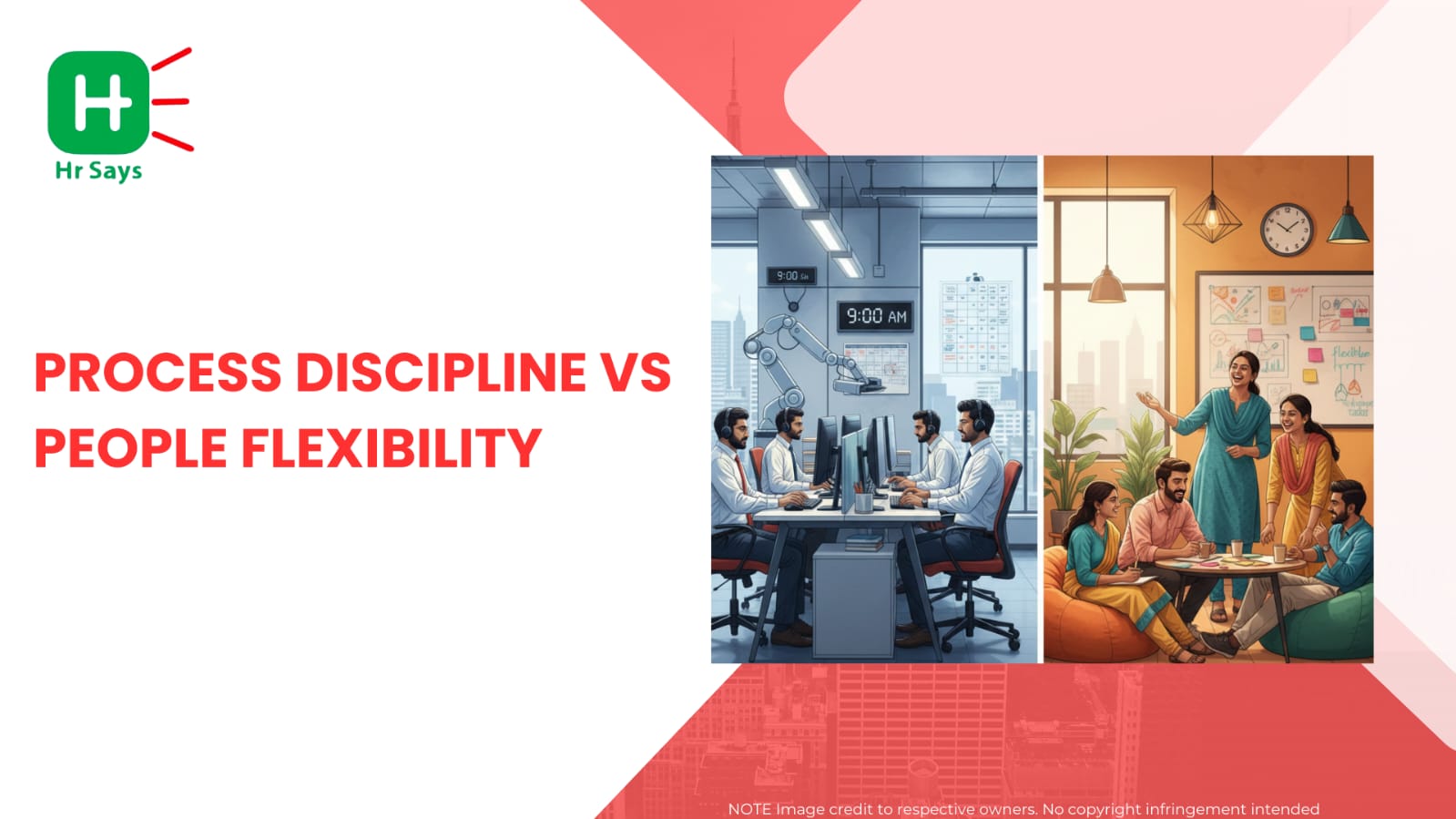
Process Discipline Vs People Flexibility

Process discipline ensures consistency, while people flexibility allows adaptability. Sustainable workplaces are shaped when structure guides decisions and human judgment fills the gaps, creating balance, ...
Jan 27

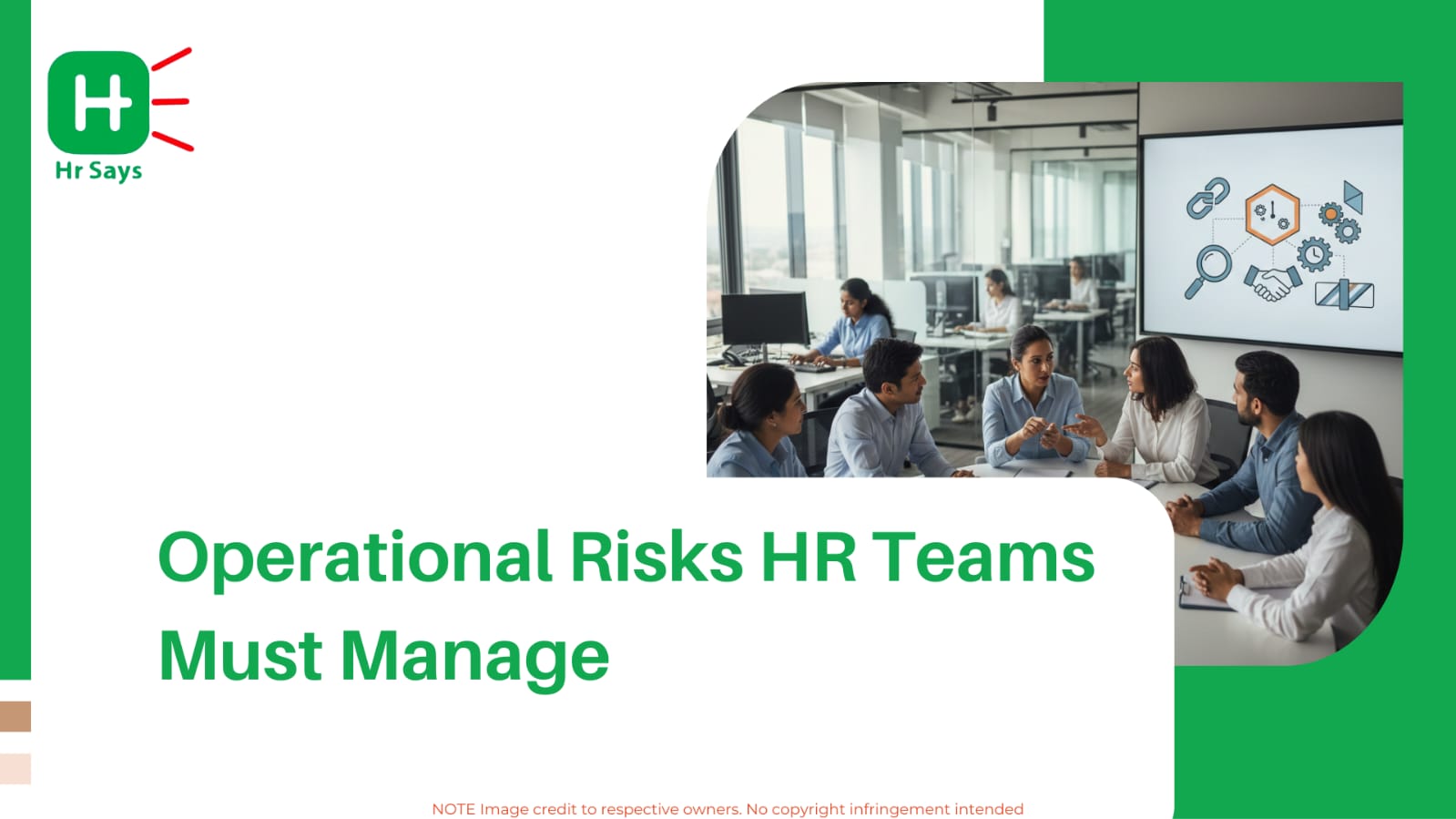
Operational Risks HR Teams Must Manage

Operational risks in HR affect compliance, workforce stability, data security, performance, and continuity. This blog highlights key risk areas HR teams must manage proactively to ...
Jan 27

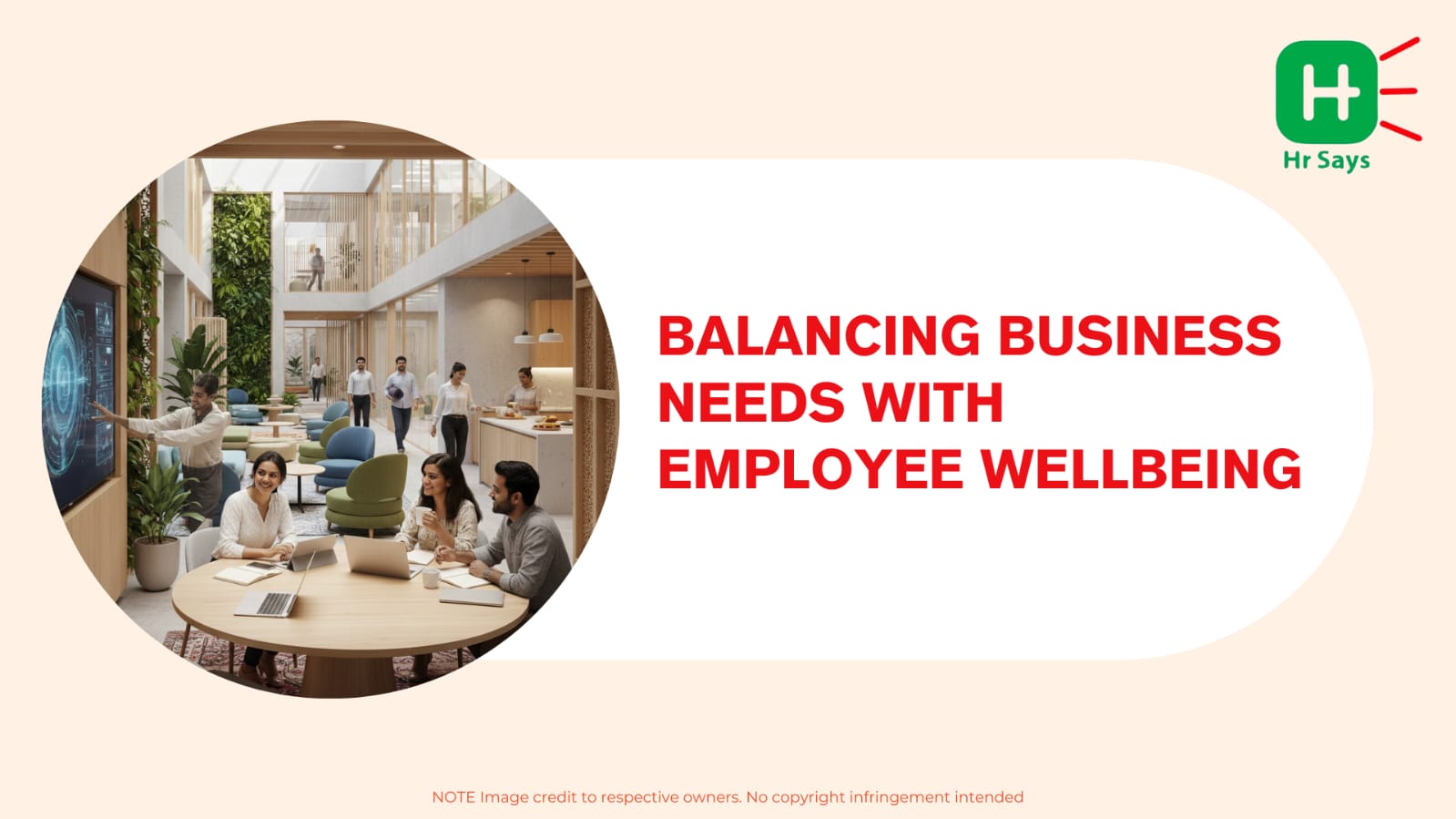
Balancing Business Needs With Employee Wellbeing

Balancing business needs with employee wellbeing requires structure, empathy, and realistic expectations. Sustainable productivity is supported through thoughtful leadership, psychological safety, and smarter workload design ...
Jan 22

Why Growth Conversations Matter More Than Perks

Growth conversations provide clarity, trust, and long term engagement that perks cannot sustain. When development is discussed consistently and meaningfully, motivation deepens, retention improves, and ...
Jan 19

Managing Talent Expectations Realistically

Managing talent expectations requires clarity, consistency, and empathy. When roles, growth, and limitations are communicated honestly, disengagement is reduced. Realistic alignment builds trust, sustains motivation, ...
Jan 19

What Makes Employees Silently Disengage

Silent disengagement develops through overlooked effort, unclear leadership, and emotional fatigue. This blog explores how purpose fades, burnout hides, and quiet quitting emerges, offering practical ...
Jan 17

How HR Shapes Culture Without Forcing It

Organizational culture is shaped subtly through hiring, policies, leadership behavior, and everyday interactions. This piece explores how HR influences culture through observation, consistency, and human ...
Jan 13

Managing Underperformance Without Fear Culture

Underperformance can be managed without fear by focusing on clarity, feedback culture, and psychological safety. When accountability is paired with support, performance improves naturally, trust ...
Jan 12

Linking Performance With Accountability

Linking performance with accountability creates clarity, ownership, and sustainable results. When expectations, responsibility, and feedback align, performance shifts from being monitored to being owned, leading ...
Jan 10

Managing Emotional Situations At Work

Managing emotional situations at work requires awareness, restraint, and practical strategies. When emotions are handled thoughtfully, communication improves, relationships strengthen, and long term professional growth ...
Jan 07

25 Matching result(s) found!