 Tuesday, November 17, 2026
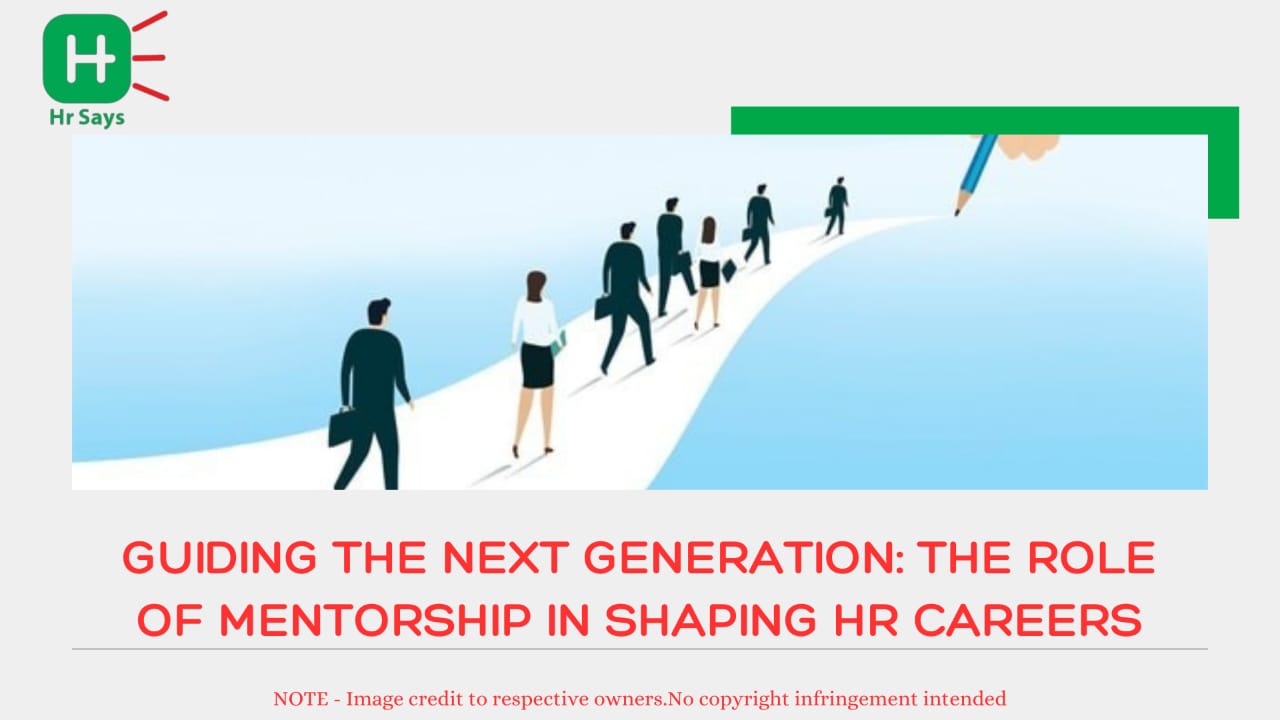
 Mentorship shapes HR careers by guiding professionals through challenges, enhancing leadership skills, and preparing them for the future of HR in India. With mentorship, HR professionals gain clarity, confidence, and resilience to grow as impactful leaders.





Have you ever questioned yourself why certain HR practitioners would make an uphill climb on the career ladder and others would find it a difficult task to get their bearings? This is usually determined by mentorship. The guidance offered by a mentor is more than mere guidance as it often influences the decision of a certain professional, develops resilience and resilience when added to textbooks they do not determine anything.
Why Mentorship Matters in HR Careers
Career Advice Mentorship is not only limited to career guide. It is on how to influence vision, on how to establish confidence and leadership capabilities amongst the HR managers. It is through the mentor that real complexities in the workplace like engagement strategies of employees in India companies and managing the HR compliance complexities in India can be deciphered. Career development among HR professionals remains a task that is achievable and well structured using such support.
The Mentor’s Role in Career Growth
Mentors create impact by sharing experience and opening doors. Their role stretches far beyond answering questions. They:
● Provide clarity on the HR career path from recruiter to CHRO
● Help navigate HR career challenges and solutions
● Offer guidance on essential HR certifications in India
● Encourage women leaders in HR India to aim higher
● Share insights into HR success stories from India
When such wisdom is available, HR professionals find it easier to align themselves with industry demands.
Skills That Mentorship Enhances
Every HR professional is expected to master technical knowledge, but mentorship adds the human edge. Mentors often help sharpen:
● Leadership skills for HR managers
● HR role in organizational growth
● Social media strategies for HR professionals
● HR analytics and data-driven decision making
● Adaptability to HR digital transformation trends 2025
By cultivating these skills, a mentor prepares their mentee not just for today’s role but also for the future of HR in India.
Mentorship in the Age of Transformation
The HR field is evolving quickly. The rise of HR tech trends in India 2025 and the role of AI in HR management demand fresh thinking. Here, mentors guide professionals to adapt without losing the essence of people-first leadership. They help mentees balance technology adoption with empathy and ethics. This support is invaluable as hybrid work trends in India redefine workplaces.
How Mentorship Shapes Leaders
Not every HR professional dreams of becoming a CHRO, but many want to lead meaningfully. Mentorship creates that path. By building confidence, fostering inclusion, and teaching resilience, mentors transform professionals into leaders who inspire. In this way, mentorship remains one of the strongest drivers of HR role in upskilling and reskilling employees.
Conclusion
Mentorship is not a luxury—it is a necessity for HR professionals navigating a demanding career path. In an industry that evolves rapidly, having the right guide can mean the difference between stagnation and growth. By passing knowledge forward, mentors not only shape careers but also the future of HR in India.