 Saturday, October 03, 2026
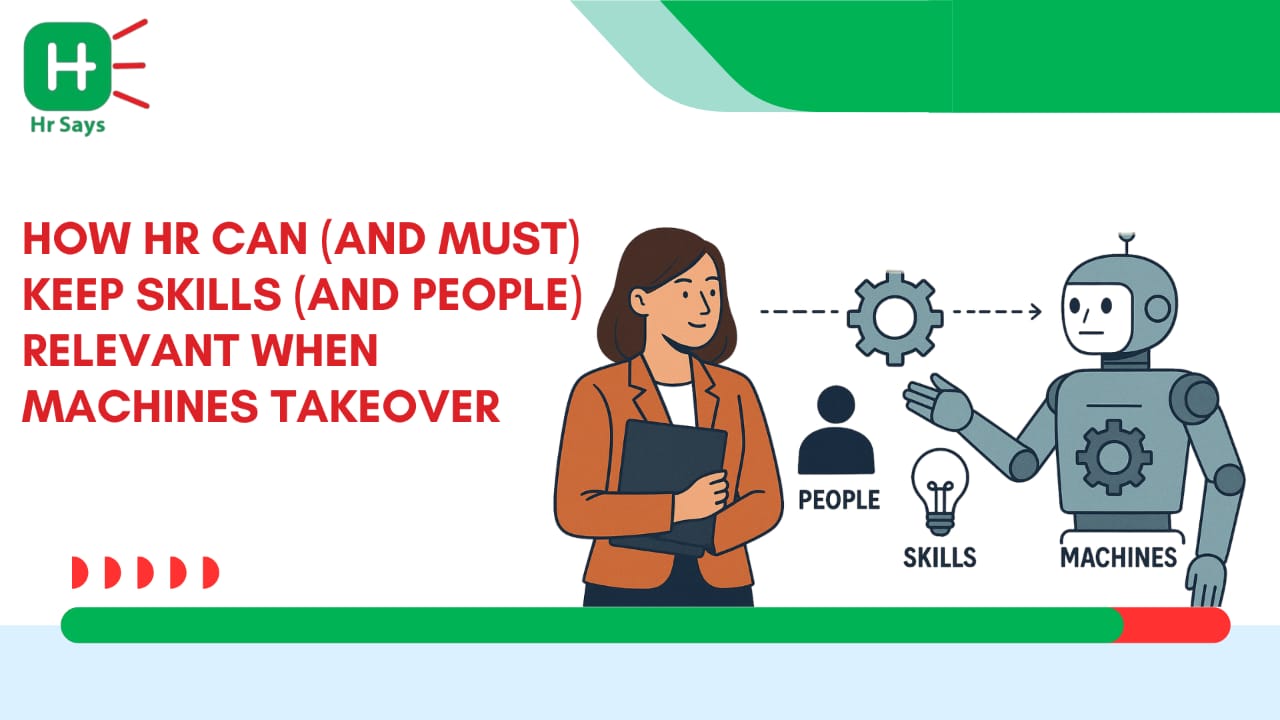
 As automation reshapes work, HR sits at a turning point. The goal is no longer just hiring talent—but protecting it. This blog explores how HR can smartly respond to skill disruptions and help people stay valuable in a fast-changing world.




What occurs when an activity you have perfected is automated over night? This isn’t some future dilemma. It’s already here. HR teams must now rethink roles, training, and even purpose. With machines rising and skill gaps widening, it’s not just about managing change—it’s about managing survival.
The New Reality: Skills Are Expiring Faster Than Ever
Automation is swift. Jobs once seen as secure—data entry, logistics, even parts of HR—are being restructured or removed. What's left behind is a workforce confused about its future. The real disruption isn't machines taking jobs. It's the skills we thought would last… becoming useless.
This creates a quiet crisis:
● Employees fear being replaced
● Reskilling feels overwhelming
● HR is caught between cost and compassion
And yet, this moment holds opportunity. If approached right.
HR’s Role Isn’t Just Support Anymore—It’s Strategy
Today, HR leaders must be more than people managers. They must become skill strategists.
The shift? From firefighting resignations and recruiting replacements to forecasting which roles will vanish, morph, or multiply.
What HR must now do:
● Audit current skill sets regularly.
● Predict job evolution through tech trend mapping.
● Design rather than develop fixed training modules.
● Be open with what is altering and what is not.
It’s not about saving every job. It’s about preparing every person.
Skills Can Be Taught. But Willingness Can’t
One truth often ignored: not everyone wants to reskill. Some fear it. Some resist it. Some
simply… freeze.
That’s where HR needs to step in not as a trainer, but as a translator of value.
Break down what the company needs. Explain how employees fit into that future. Then, offer
choices—not ultimatums.
● Want to grow? Here’s the path.
● Want to shift? Here’s support.
● Want to stay the same? Here’s the risk.
No sugarcoating. No jargon. Just truth. That builds trust.
Tech May Replace Tasks. But Not Purpose.
Amid all this, one thing shouldn’t be lost: people’s sense of worth.
HR can ground automation strategies in humanity by:
● Re-definition of jobs that bring out creativity, understanding and decision making
● Promoting cross-functional teams where machines assist, not dominate
● Celebrating human wins—not just tech upgrades
Because while machines can learn data, they can’t learn dignity.
The Way Forward
Not all jobs will survive. Not all skills will stay. But people? They still matter. HR’s task isn’t to
fight change. It’s to guide people through it.
And in a world ruled by code and automation, the human touch might just be the most valuable
skill left.