 Sunday, October 04, 2026
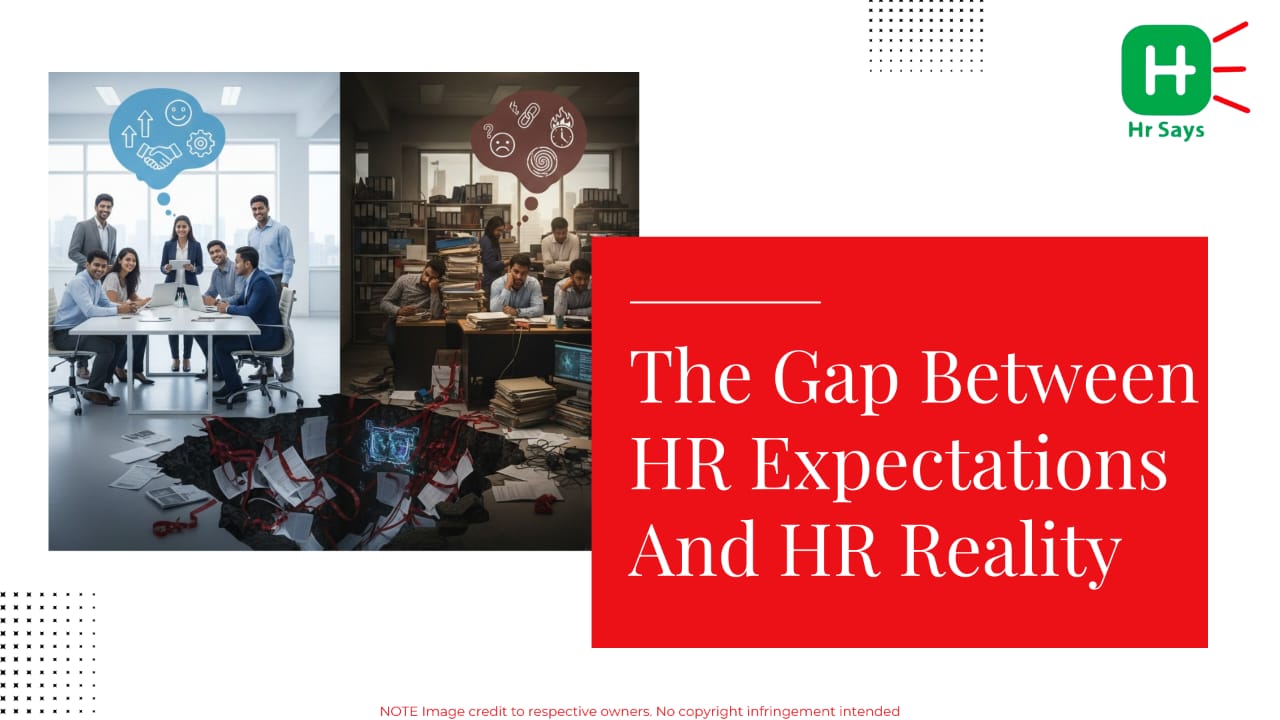
 The blog explores the growing disconnect between what HR is expected to deliver and what is realistically possible. It highlights structural challenges, emotional impact, and practical shifts needed to align expectations with workplace reality.




The HR is commonly conceived as a strategic force, one that defines culture, influences the performance, and gets people to the table. The truth is, however, darker and more gloomy. The expectation and performance gap has been created that not many people can talk about.
The Ideal Picture HR Is Expected To Live Up To
HR teams will be supposed to be balanced when it comes to empathy and efficiency. They are regarded as culture builders, suppliers of conflict, and attractors of talents and enforcers of compliance simultaneously. The keywords that have started trending next to the role are strategic HR, employee experience, people analytics and employer branding. It is anticipated that the HR will solve the problems before they crop up. Ideally, this vision is motivating. As a matter of fact, it usually seems out of reach.
The Ground Reality Inside Most Organisations
Behind the scenes, HR reality looks very different. Time is spent on operational work that rarely pauses. Hiring pressures, payroll accuracy, compliance deadlines, attrition management, and policy clarifications dominate the day. Strategic thinking is pushed to the margins. Instead of being invited early into decision making, HR is often looped in at the end. Expectations remain high, while authority and resources stay limited. The gap widens quietly.
Why This Gap Keeps Growing
The disconnect has not appeared overnight. It has been shaped by structure, speed, and silence.
● HR is measured on outcomes but not empowered with influence
● Business leaders expect agility but resist process changes
● Employee expectations rise faster than internal systems evolve
● Digital transformation is demanded without adequate HR tech support
What is expected from modern HR often belongs to a future setup, while reality operates in a legacy framework.
The Emotional Cost Of Unrealistic Expectations
The human side of HR is rarely acknowledged. Burnout is common, though rarely spoken about. HR professionals are expected to absorb pressure from leadership and employees alike, while remaining neutral. Emotional labour is normalised. Appreciation is limited. When mistakes happen, they are noticed. When things run smoothly, silence follows. Over time, motivation erodes quietly.
Where The Shift Needs To Happen
Closing the gap does not require perfection. It requires alignment. Expectations must match organisational maturity. HR transformation should be phased, not forced. Leadership accountability matters as much as HR capability. Clear role definitions, realistic KPIs, and open conversations can reduce friction. Strategic HR cannot exist without operational stability. Culture cannot be fixed by HR alone. The responsibility must be shared.
Conclusion
The gap between HR expectations and HR reality is not a failure of people. It is a failure of alignment. Until organisations recognise this truth, HR will continue to be expected to perform miracles with limited tools and shrinking margins.