 Sunday, September 20, 2026

 Ignoring internal mobility leads to higher hiring costs, disengaged employees, and knowledge loss. This blog explains why internal movement matters, the risks of overlooking it, and how small shifts can protect long-term organisational growth.




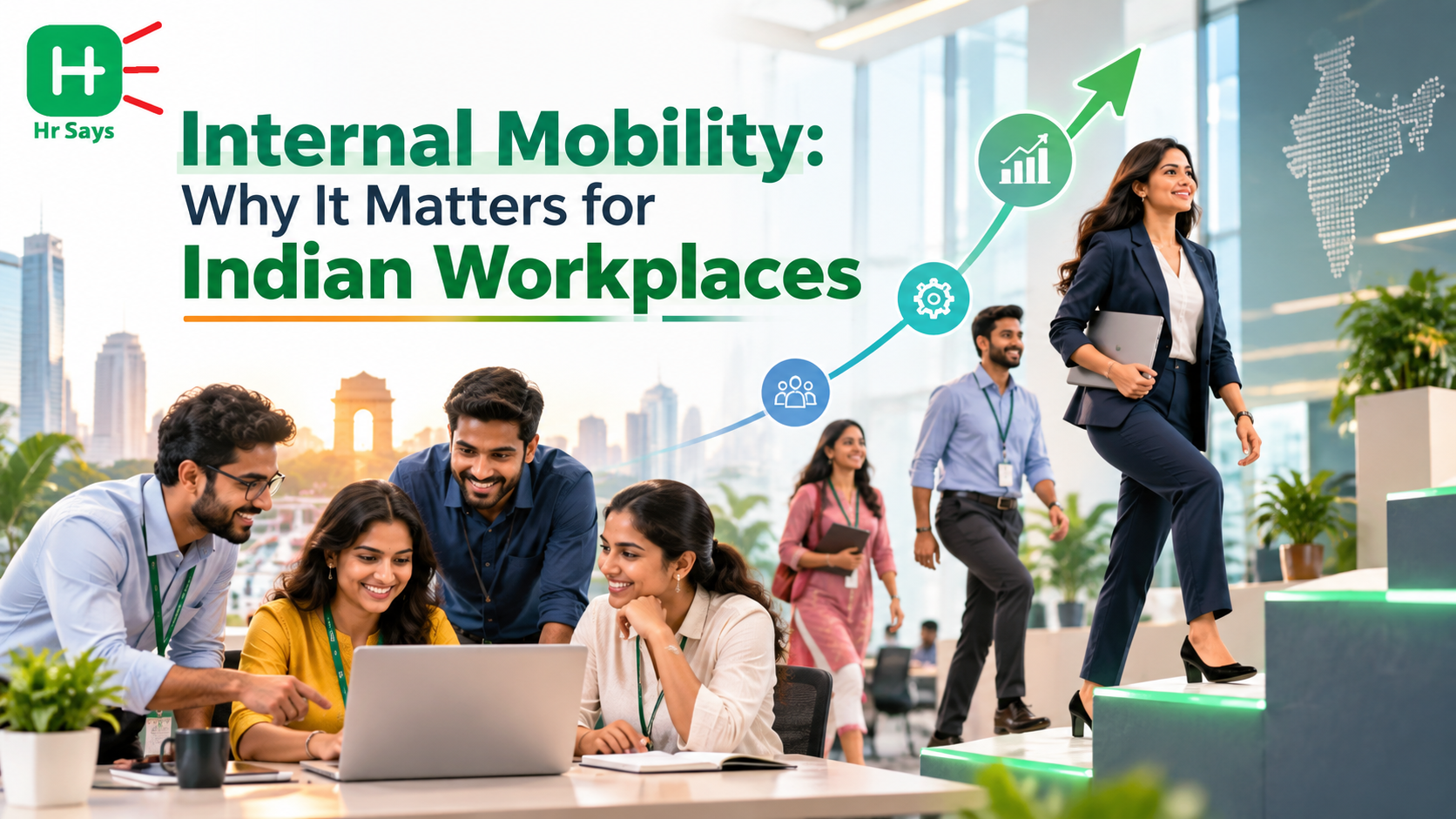
On paper, internal mobility usually appears optional. Roles get filled. Teams keep moving. But at a deeper level there is a kind of rot within. On roads to growth blocked, ambition dies. Talent does not go off at the very beginning shouting. It becomes de-engaged at a slow pace, that is costly and cumulative over time.
Why Internal Mobility Is No Longer Optional
The current generation employees treasures mobility, education and exposure. Careers are no longer linear. The internal hiring loses significance, and this makes the employees feel that they have been parked rather than advanced. That emotion viruses more quickly than any policy change.
Skills shortages are rising. External hiring is expensive and slow. Still, roles are often posted outside before looking within. This sends a clear message. Growth exists, but not here.
The Hidden Financial Cost
Ignoring internal mobility drains budgets quietly. Recruitment fees rise. Onboarding timelines stretch. Productivity dips while new hires settle in. None of this appears dramatic in isolation.
Over time, the numbers stack up.
● Higher cost per hire
● Longer time to fill critical roles
● Repeated training for similar skills
Internal candidates already understand systems, culture, and expectations. When they are overlooked, money is spent relearning what already existed.
Engagement Is the First Casualty
Disengagement rarely starts with resignation letters. It begins with silence. Fewer ideas are shared. Effort becomes transactional. High performers stop raising their hands.
When employees cannot see internal career growth, loyalty weakens. Motivation becomes short term. The organisation feels like a stop, not a destination.
This is often misread as a performance issue. In reality, it is a visibility issue.
Knowledge Walks Out the Door
Institutional knowledge is fragile. When experienced employees leave, context leaves with them. Decisions take longer. Mistakes repeat. Teams rely on documentation that never fully captures lived experience.
Internal mobility helps retain that knowledge. Roles shift, but insight stays inside the business. Without it, continuity breaks.
Employer Brand Takes a Hit
Workplace reputation travels fast. Platforms highlight whether companies promote from within. Candidates notice. So do existing employees.
A weak internal talent marketplace signals stagnation. Growth-minded professionals look elsewhere. The employer brand quietly loses its edge, even with strong compensation or benefits.
What Strong Internal Mobility Really Signals
Internal movement is not about frequent promotions. It is about trust and transparency. It shows that potential is recognised. Skills are invested in. Careers are supported, not stalled.
Clear pathways reduce attrition. They also build leadership pipelines organically. This stability is hard to buy externally.
Small Shifts That Matter
● Clear role visibility across teams
● Skill-based internal hiring practices
● Regular career conversations, not annual ones
None of these require large systems. They require intent.
Conclusion
Ignoring internal mobility does not create stability. It creates silent loss. Talent leaves. Costs rise. Culture thins out. Growth becomes harder to sustain. When movement is enabled inside, momentum stays inside too.