 Thursday, October 01, 2026
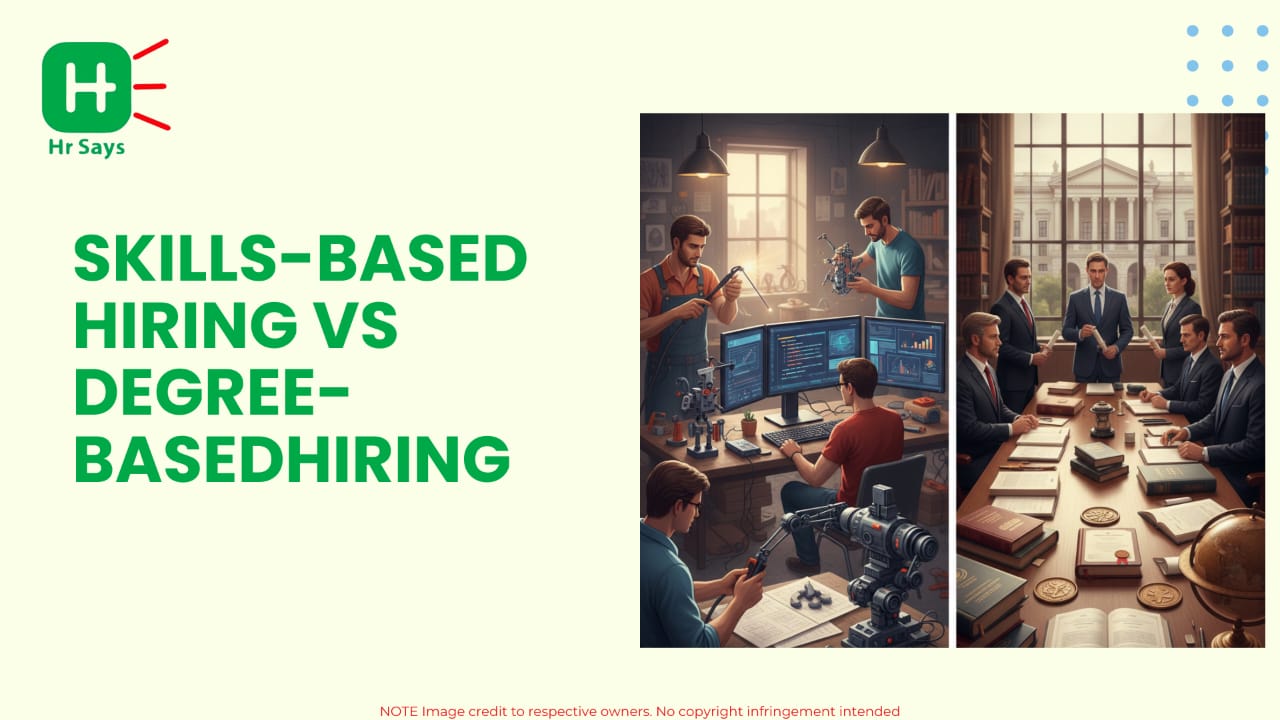
 Skills-based hiring prioritises real-world ability over formal education, while degree-based hiring
values structured learning. This blog explores how employers are balancing both approaches to
improve hiring accuracy, workforce diversity, and long-term performance.
Skills-based hiring prioritises real-world ability over formal education, while degree-based hiring
values structured learning. This blog explores how employers are balancing both approaches to
improve hiring accuracy, workforce diversity, and long-term performance.




Hiring is quietly changing. The job descriptions continue to require degrees, and the interview rooms are full of questions that are based on actual skills. Employers no longer believe that certificates are sufficient predictors of performance. There is a trend that is being transformed against this background and transforming the evaluation of talent.
Why Degree-Based Hiring Dominated for Decades
The degrees were filtering for years. They minimized risks to hiring and saved time. A college name meant discipline, minimum requirements and social competence. This short-cut was safe in fast growing industries. But rifts were created with time. Academic syllabi did not change as rapidly as did the roles. Practical skills were in the shadow of theoretical knowledge. Early exclusion was done to high-potential candidates. Degree based recruitment was starting to be effective, but imperfect.
What Skills-Based Hiring Actually Means
Skills-based hiring focuses on what a candidate can do today.
Not where they studied.
Not how long they studied.
It evaluates job-ready capabilities through practical signals.
Common signals used
● Portfolio-based assessment
● Task simulations and assignments
● Skill tests and technical evaluations
● Behavioural interviews focused on outcomes
This approach aligns closely with modern workforce needs, especially in digital roles, remote jobs, and fast-scaling teams.
Why Skills Are Gaining More Trust Than Degrees
Workplaces are changing faster than formal education systems.
Tools update.
Processes shift.
Job titles evolve.
Skills-based hiring adapts to this reality.
It supports:
● Faster hiring cycles
● Better role fit
● Higher workforce diversity
● Reduced credential bias
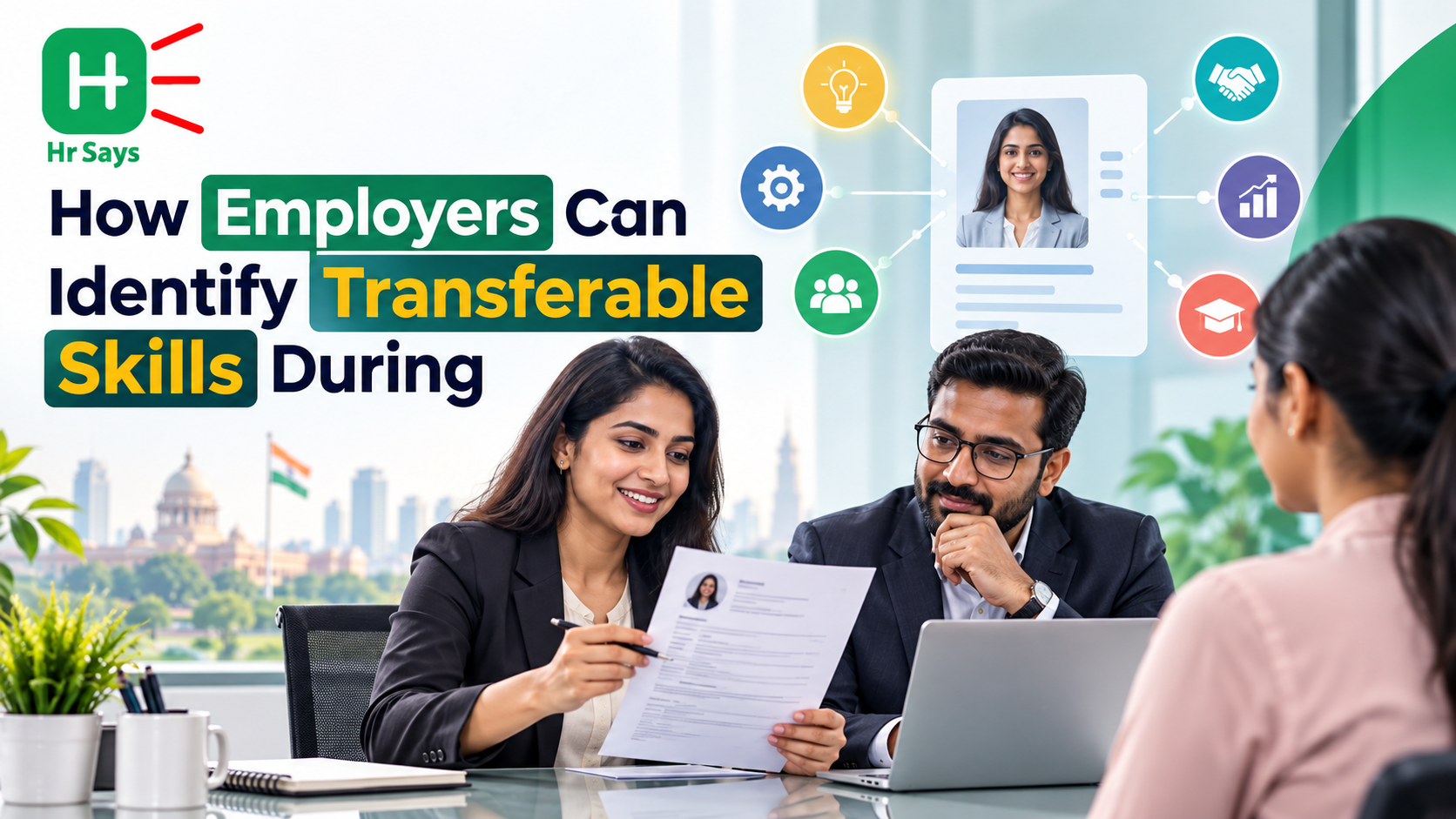
Employers now search for transferable skills, problem-solving ability, and adaptability rather than static qualifications.
Trending keywords like skills-first hiring, competency-based recruitment, and workforce upskilling reflect this change.
Where Degree-Based Hiring Still Holds Value
Degrees are not irrelevant.
They still matter in regulated professions and research-heavy roles.
Fields where degrees remain critical include:
● Medicine and healthcare
● Law and legal services
● Core engineering disciplines
● Academic research
Degrees provide foundational thinking frameworks.
They also signal long-term commitment in structured learning environments.
The issue is not the degree itself.
It is treating it as the only indicator of capability.
The Real Hiring Gap No One Talks About
The conflict is not skills versus degrees.
It is validation versus performance.
Degrees validate learning.
Skills prove execution.
Many organisations struggle because they assess one and ignore the other.
This leads to mis-hires, slower onboarding, and early attrition.
Balanced hiring models are emerging.
Degrees are treated as context.
Skills are treated as evidence.
How Employers Are Blending Both Approaches
Modern hiring strategies are hybrid by design.
They often include:
● Degree as a preference, not a requirement
● Skills screening at early stages
● Role-specific assessments
● Continuous learning pathways after hiring
This shift supports talent mobility, internal reskilling, and long-term retention.
It also reflects realistic job performance expectations.
What This Means for Job Seekers Today
Candidates are being judged differently.
CVs alone are not enough.
Proof of work matters more.
Practical steps that now carry weight:
● Building visible skill portfolios
● Learning in-demand tools
● Showcasing outcomes, not just roles
● Aligning skills with job descriptions
The hiring lens has changed.
Preparation must change with it.
Conclusion
Skills-based hiring is not a trend. It is a response to modern work realities. Degrees still matter, but no longer dominate. The future belongs to candidates who can demonstrate value, not just credentials.