 Thursday, October 01, 2026
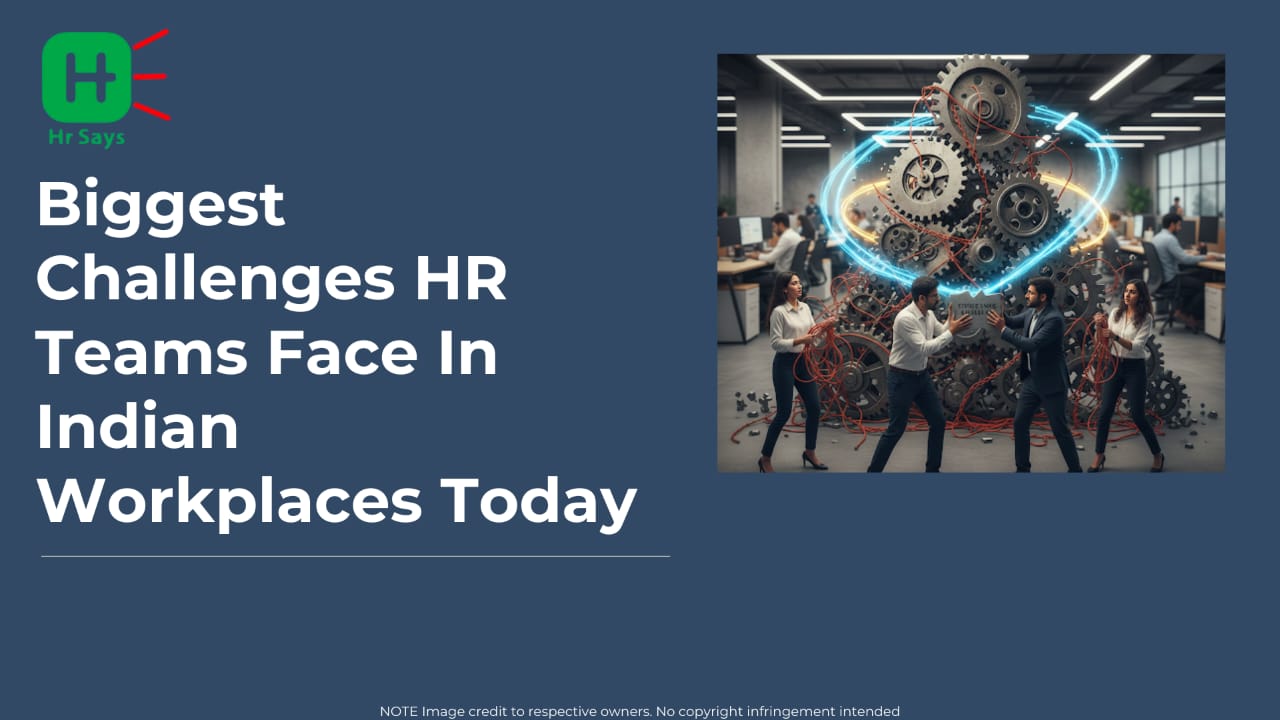
 Indian HR teams face complex challenges across hiring, retention, compliance, and culture.
This blog explores the practical realities shaping people management today and highlights why
strategic, human centred HR practices matter more than ever.
Indian HR teams face complex challenges across hiring, retention, compliance, and culture.
This blog explores the practical realities shaping people management today and highlights why
strategic, human centred HR practices matter more than ever.




The Indian people activities have never been easy. Managers of the HR department are frequently dragged in different directions between the goal of rapid expansion of business, the changes in employee demands, and the changes in policies. The work itself is not seen much but the effects have been experienced at all levels of the organisation.
Talent Acquisition In A Competitive Market
In the modern day, hiring is no longer about finding a position in the quickest way. It has to do with taking the correct fit in a crowded and fast paced market. Talented individuals are choosy. No one has ever been as high in expectations of pay, flexibility, and growth.
Recruitment teams are often challenged by
● Talent shortages in niche and tech driven roles
● Rising salary benchmarks across industries
● Long hiring cycles caused by multiple decision layers
Even strong employer brands are tested when competitors move faster.
Employee Retention And Rising Attrition
Attrition remains one of the most discussed HR challenges in Indian workplaces. Job switches are frequent, especially among early and mid career professionals. Loyalty is often replaced by short term career gains.
Several factors quietly contribute
● Limited career visibility within organisations
● Burnout caused by extended working hours
● Better offers appearing with minimal notice
Retention strategies are expected to work, even when larger business issues remain unresolved.
Managing Hybrid And Remote Workforces
Hybrid work is now common, but managing it well is still evolving. Policies exist on paper, yet execution often feels uneven. Trust, productivity, and fairness become daily concerns.
HR teams are required to
● Ensure equal opportunities for remote and office based staff
● Track performance without micromanagement
● Maintain team culture across locations
What sounds flexible often demands more structure behind the scenes.
Compliance And Labour Law Complexity
Indian labour laws are detailed and frequently updated. Compliance errors can lead to serious consequences, yet awareness across teams is uneven. HR departments are expected to stay updated at all times.
Challenges usually include
● Interpreting central and state specific labour laws
● Handling audits, documentation, and inspections
● Aligning internal policies with legal changes
This work is critical, but rarely appreciated unless something goes wrong.
Employee Engagement And Workplace Culture
Engagement is no longer driven by annual events or generic surveys. Employees look for meaningful communication, inclusion, and psychological safety. Culture is shaped daily, not declared once.
HR teams struggle when
● Feedback loops remain one sided
● Managers lack people leadership skills
● DEI efforts stay performative instead of practical
Culture gaps are felt long before they are measured.
Performance Management And Skill Development
Traditional appraisal systems are being questioned. Employees want clarity, regular feedback, and learning opportunities. At the same time, businesses demand measurable outcomes.
HR often balances
● Upskilling needs in a rapidly changing job market
● Fair performance evaluations across teams
● Linking learning initiatives with business goals
When growth feels stagnant, disengagement quietly follows.
Conclusion
HR teams in Indian workplaces operate at the intersection of people, policy, and performance. The challenges are layered and ongoing. Progress is possible, but only when people management is treated as a long term investment, not a support function.