 Thursday, October 01, 2026
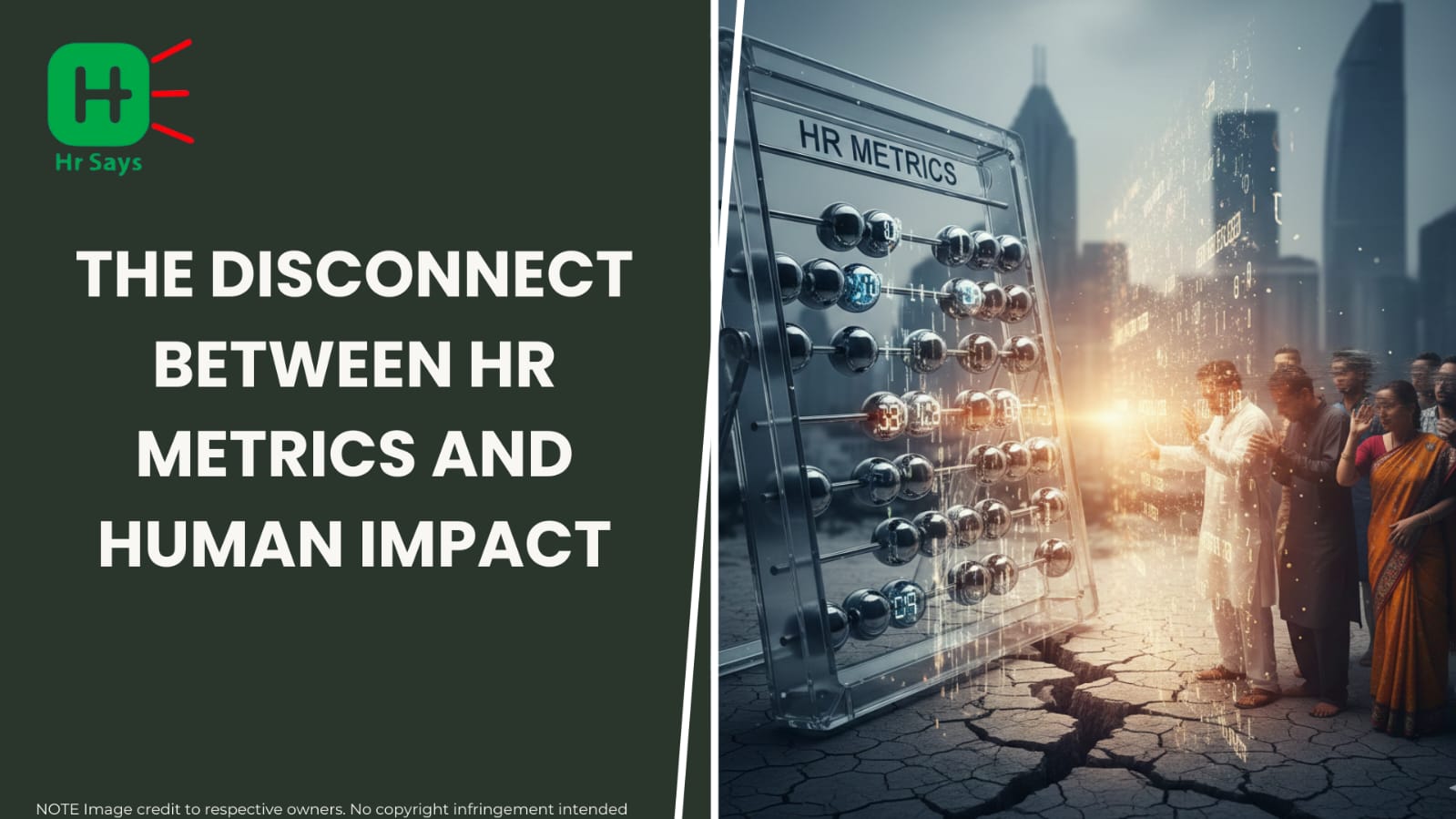
 HR metrics provide clarity but often miss emotional reality. This blog explores how overreliance on numbers creates hidden costs, why human insight matters, and how organisations can balance data with empathy for sustainable people-first growth.




Numbers were reviewed. Dashboards were updated. Yet something felt off. Teams on paper were fine though morale was thin. Conversations felt shorter. Trust quietly slipped. Here is when the gap starts; the difference between measured and actually felt.
When Numbers Start Replacing Narratives
HR measures were intended to add transparency. Turnover numbers, interaction levels, productivity levels. All useful. All incomplete. Individuals seldom get down to clean percentage. Moods and context and experience are usually out of dashboards. Human subtleties are eradicated when decisions are made by metrics exclusively. The thing that is missed is not an intended thing but an impacted thing.
The Comfort of Measurable Success
Metrics feel safe. They are structured, comparable, and defendable in meetings. Leaders rely on them to justify actions. Yet comfort can create distance. A low attrition rate does not mean high trust. A strong engagement score does not guarantee psychological safety. The workplace can appear healthy while quietly straining underneath.
What Metrics Often Miss
• Silent burnout masked by steady output • Fear-driven compliance mistaken for commitment • Cultural fatigue hidden behind performance • Emotional disengagement that surveys cannot capture
These gaps are rarely intentional. They are structural.
Employees Are Not Data Points
Workforce analytics tell what happened. They rarely explain why. A resignation number cannot show years of feeling unseen. A performance dip cannot explain personal overload. When human signals are ignored, employees feel reduced. Over time, this reduction shapes behaviour. Less honesty. Fewer risks. Minimal effort.
Short sentences. Clear patterns. Quiet withdrawal.
The Cost of the Gap
The impact is gradual but expensive. Trust erodes first. Then innovation slows. Then attrition suddenly spikes, confusing leadership. At this point, more metrics are added. The real issue remains untouched. Human impact was never measured with the same seriousness as operational efficiency.
Trending HR conversations now reflect this shift. Topics like employee experience, psychological safety, people-first leadership, and workplace empathy are rising for a reason. The cost of ignoring them has become visible.
Bridging Data With Human Insight
Metrics should inform, not replace understanding. Data works best when paired with dialogue. Listening sessions. Open-ended feedback. Manager capability building. These are not soft ideas. They are strategic tools. Human insight gives context to numbers. Without it, metrics remain surface-level.
Practical Ways to Rebalance
• Treat surveys as conversation starters, not conclusions • Train managers to read emotional signals, not just KPIs • Measure leadership behaviour, not only outcomes • Create safe spaces where feedback is not punished
Small shifts change culture faster than large dashboards.
Conclusion
HR metrics are not the problem. Overreliance is. When numbers lead without empathy, people feel invisible. When empathy guides data, workplaces feel human again. The real work of HR lives in that balance.