 Saturday, October 24, 2026
 This blog shares HR strategies that reduce generational gaps at work. It explains
communication, learning, culture, and technology practices that support all age groups. HR
guidance helps teams collaborate with ease and mutual respect.
This blog shares HR strategies that reduce generational gaps at work. It explains
communication, learning, culture, and technology practices that support all age groups. HR
guidance helps teams collaborate with ease and mutual respect.




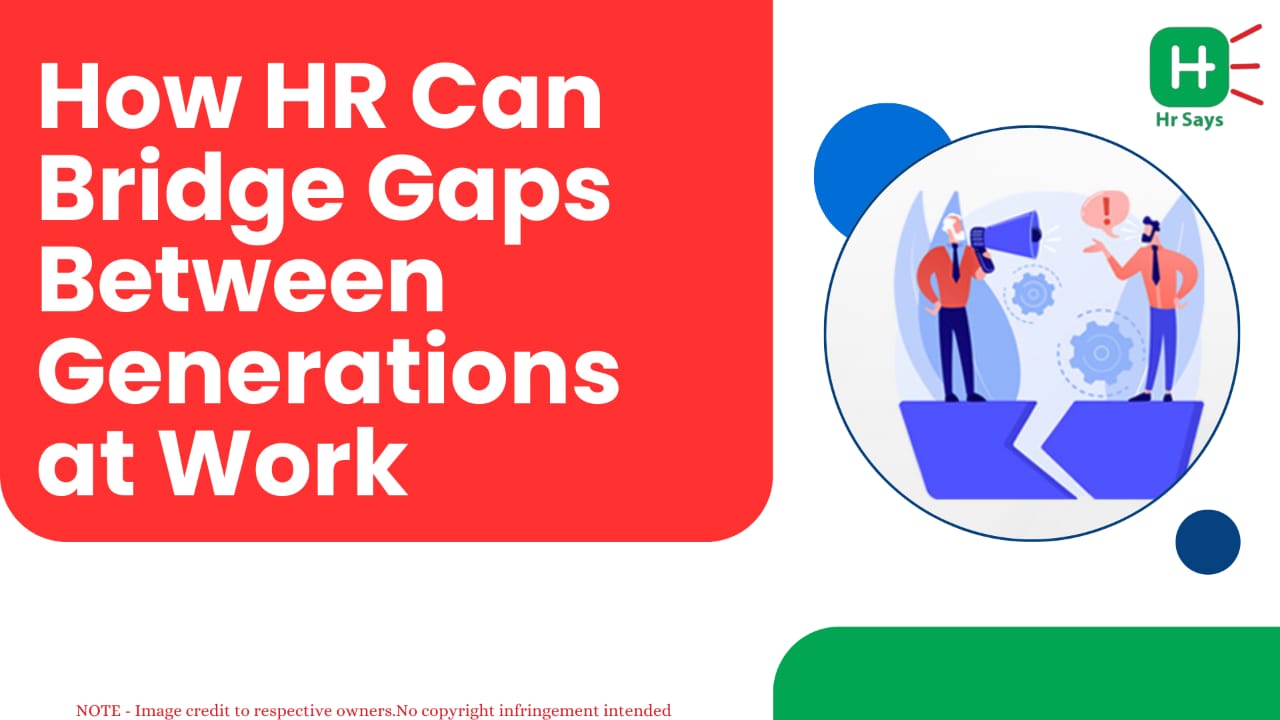
Five generations are now found in work places. Both have another style, expectation and rhythm. HR teams are usually pressured by opposing demands. This guide presents the ways of eliminating those gaps through constant and straightforward efforts.
Why The Generational Differences
Gen Z comes into the workplace with the digital effortlessness whereas millennials appreciate life experience and development, and meanwhile Gen X leans on independence. Baby Boomers remain faithful to organization. Such differences produce tension otherwise badly guided. The services of HR practitioners come into play when the expectations are being transformed by hybrid work, the trend of upskilling, and the digital collaboration tools.
Communication Styles
Younger employees prefer instant messages. Older teams rely on email or face-to-face conversations. Misunderstandings happen fast. Clear guidelines help reduce conflict.
Values and Work Priorities
Some focus on purpose. Others depend on stability. When HR clarifies shared goals, teams find common ground.
Creating Strong Communication Channels
Communication links people. HR can shape it with systems that feel natural for all age groups.
Introduce Mixed-Format Messaging
Using a blend of chats, calls, and structured updates reduces communication fatigue. Everyone receives information in a way that suits their comfort level.
Run Listening Circles
Short sessions allow employees to express concerns. HR notices patterns. Solutions feel grounded in real needs.
Designing Inclusive Learning
Learning at work now shifts with trends like microlearning and digital skill building. Generational preferences vary, so flexibility is essential.
Offer Multi-Format Training
Short videos attract younger teams. Detailed guides help older groups. Workshops bridge both. HR structures content so no one feels left out.
Promote Cross-Generational Mentoring
Skills move both ways. Experience flows up. Tech insight flows down. Trust grows through these simple exchanges.
Building a Culture of Respect
Respect is the anchor that holds multi-generational workplaces steady. HR must protect it through policies and behaviours.
Create Age-Inclusive Policies
Clear guidelines reduce bias. Performance expectations remain consistent for all employees. Fair systems reduce assumptions.
Encourage Shared Projects
Collaborative tasks reduce stereotypes. Strengths become visible. Work quality improves through blended perspectives.
Leveraging Technology Thoughtfully
Digital transformation affects all generations differently. HR can reduce the digital gap with supportive onboarding and tool training.
Use Tools That Fit All Levels
Simple platforms reduce friction. User-friendly dashboards and mobile access help everyone participate with ease.
Provide Ongoing Support
Helpdesks and quick tutorials prevent frustration. Confidence with tools rises slowly. Productivity follows.
Conclusion
A workplace with many generations thrives when HR leads with attention and balance. Gaps shrink when people feel heard, respected, and supported. These practices help teams work with clarity and confidence.