Saturday, October 24, 2026
 A well-connected employee lifecycle, from recruitment to retirement, builds trust, engagement,
and long-term loyalty. By aligning each stage—hiring, onboarding, development, and
offboarding—organizations create a stronger culture and enhance employee retention.
A well-connected employee lifecycle, from recruitment to retirement, builds trust, engagement,
and long-term loyalty. By aligning each stage—hiring, onboarding, development, and
offboarding—organizations create a stronger culture and enhance employee retention.




What does it take to retain an employee on the first day to the last day of employment? The solution is establishing a seamless, integrated path in all levels of the lifecycle of the employees. Since staffing and recruitment through to training, motivation, and retirement, each touchpoint influences the way employees feel and how they grow and work in an organization.
Understanding the Employee Lifecycle
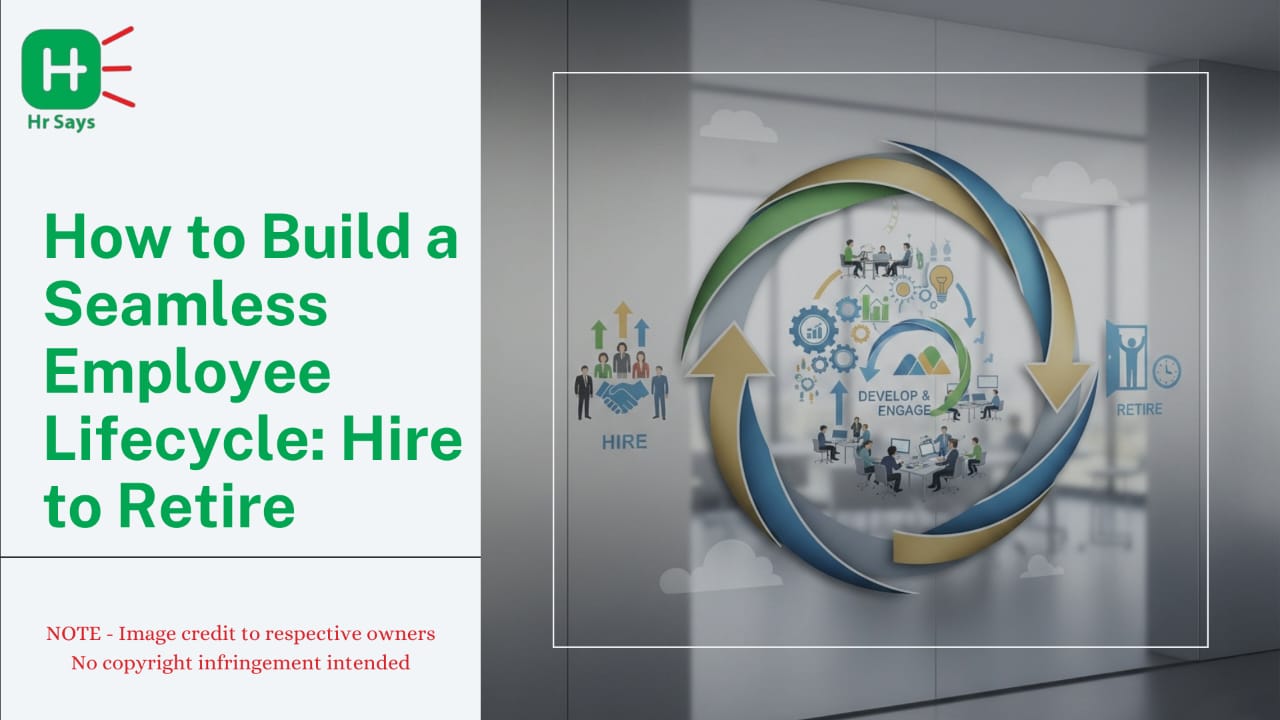
The employee lifecycle is an indication of all the steps that a worker will take through an organization. It begins with acquisition of talent and concludes with off boarding. It is not just about HR efficiency to build a seamless experience in these stages, but it is about people. With all the phases interconnected, employees get a sense of importance and inspire thus increasing employee retention and organizational culture.
Stage 1: Talent Acquisition and Recruitment
Hiring isn’t just about filling positions. It’s about finding people who fit your culture and share your vision. A structured recruitment process sets the tone for the entire relationship.
Key elements include:
● Crafting clear job descriptions that reflect company values
● Using data-driven tools for smarter candidate screening
● Maintaining communication and transparency throughout the process
A positive hiring experience can make potential employees feel respected and excited about joining.
Stage 2: Onboarding and Integration
Onboarding is the bridge between expectation and reality. A well-designed onboarding process helps new hires adapt faster and builds early engagement.
To make it effective:
● Provide a detailed orientation plan
● Assign mentors for guidance
● Introduce company policies, culture, and communication channels early
When employees feel welcomed, they start performing confidently and align better with organizational goals.
Stage 3: Employee Development and Engagement
Once settled, growth becomes essential. Continuous learning and development programs help employees upskill and stay competitive. Beyond technical skills, emotional and behavioral development matters too.
Encourage engagement through:
● Performance management systems
● Recognition programs
● Open communication and feedback sessions
An engaged employee not only performs better but also becomes a long-term asset to the company.
Stage 4: Performance and Retention
Performance reviews should not feel like judgment days. They should guide, correct, and motivate. Regular feedback and measurable performance indicators help maintain clarity.
Retention grows stronger when employees feel heard and supported. HR can use employee engagement surveys and career growth discussions to understand evolving needs. Consistent appreciation, flexibility, and growth opportunities reduce turnover rates significantly.
Stage 5: Offboarding and Beyond
The final stage—offboarding—often reflects how an organization truly values its people. A graceful exit leaves a lasting impression and keeps doors open for rehires or referrals.
Steps to ensure smooth exits:
● Conduct structured exit interviews
● Gather feedback for improvement
● Recognize contributions before departure
When offboarding is handled with empathy and professionalism, former employees often become advocates for the brand.
Conclusion
A seamless employee lifecycle isn’t about perfection—it’s about connection. Every phase, from hire to retire, should reflect care, structure, and consistency. When employees experience this flow, productivity rises naturally, and the organization earns loyalty that lasts.