Saturday, October 24, 2026
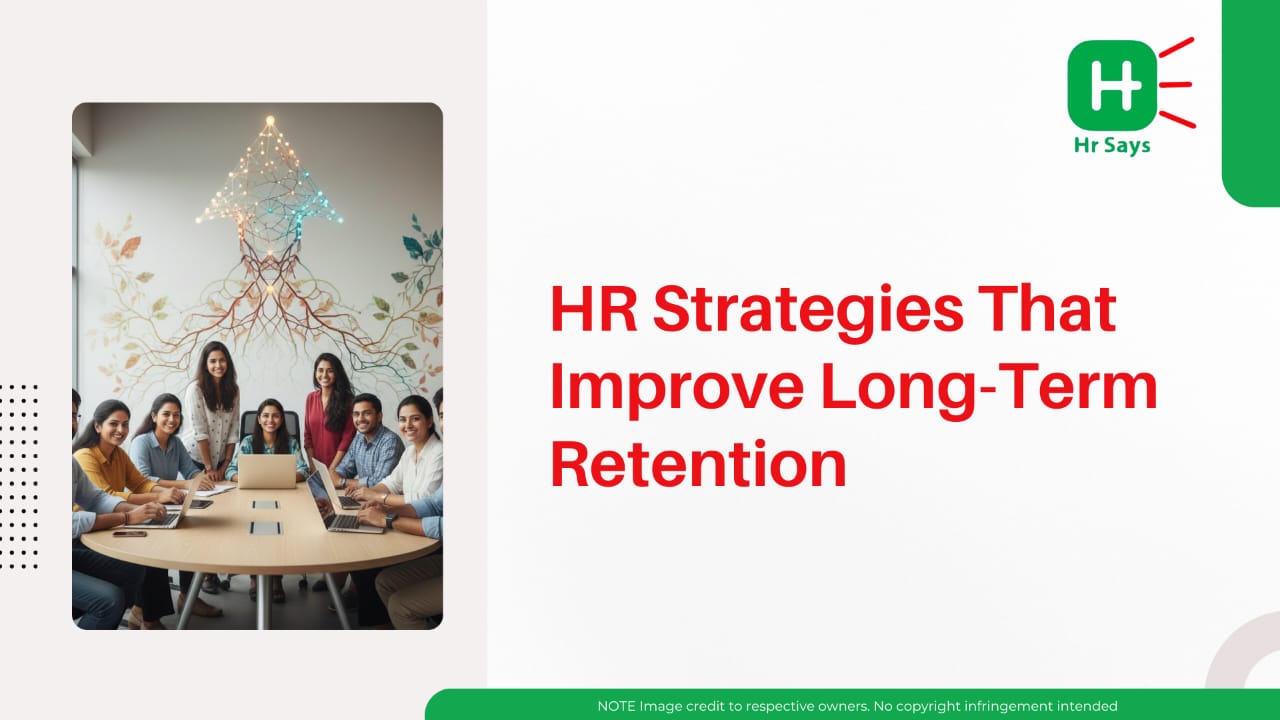
 Long-term employee retention is shaped by culture, leadership, growth opportunities, flexibility,
and fairness. This blog explores practical HR strategies that quietly strengthen loyalty and
reduce turnover through everyday systems and people-centered practices.
Long-term employee retention is shaped by culture, leadership, growth opportunities, flexibility,
and fairness. This blog explores practical HR strategies that quietly strengthen loyalty and
reduce turnover through everyday systems and people-centered practices.




Money alone is seldom a reason why employees leave. More frequently they depart due to something minor being left mended too long. Retention is developed in silence and it is developed one day systems, habits and trust. When done well, individuals opt to remain even where there is an option.
Building A Culture People Do Not Want To Exit
The feel of work, rather than its appearance in writing, has a very powerful impact on retention. Meetings, feedback loops and daily choices are all viewed as experiencing culture.
Psychological Safety And Respect
Employees are retained when they feel safe to speak without fear of embarrassment or punishment. Ideas are shared more freely when respect is consistently shown. Over time, trust is built, and loyalty follows naturally.
Clear Values In Practice
Values must be demonstrated, not displayed. When fairness, transparency, and accountability are practiced daily, credibility is earned. A workplace that feels predictable and ethical is rarely abandoned easily.
Career Growth That Feels Real, Not Promised
Long-term retention improves when growth is visible and achievable. Employees stay when their future feels clearer inside the organization than outside it.
Skill Development And Upskilling
Learning opportunities should be embedded into regular workflows. Upskilling, reskilling, and leadership development are increasingly searched HR strategies because careers are no longer linear.
Internal Mobility And Progression
Roles should be allowed to evolve. When internal movement is encouraged, employees feel seen and invested in. Stagnation is one of the most common reasons for silent disengagement.
Management Practices That Retain Quietly
People often leave managers, not companies. Retention improves when leadership quality is treated as a priority, not an assumption.
Consistent Feedback Systems
Feedback should be given regularly and constructively. When expectations are clear and progress is acknowledged, motivation is sustained. Performance reviews should feel supportive, not intimidating.
Empathy Without Overreach
Managers are expected to listen, not fix everything. When empathy is balanced with professionalism, trust is strengthened. Emotional intelligence has become a core leadership keyword for good reason.
Flexibility That Respects Real Life
Work and life are no longer separate worlds. Retention is strengthened when flexibility is designed thoughtfully.
Flexible Work Models
Remote work, hybrid schedules, and flexible hours are no longer perks. They are retention drivers. Productivity improves when autonomy is respected and outcomes are prioritized over presence.
Wellbeing As A System
Burnout prevention must be structured, not symbolic. Reasonable workloads, mental health support, and time off policies should work in practice. Employees stay where exhaustion is not normalized.
Fair Rewards And Transparent Recognition
Compensation still matters, but clarity matters more. Employees disengage when effort and reward feel disconnected.
Pay Transparency And Equity
Clear salary structures and fair increments reduce resentment. Pay equity discussions are increasingly shaping employer branding and retention metrics.
Recognition That Feels Genuine
Recognition should be timely and specific. Small acknowledgements, when done sincerely, are remembered longer than generic rewards.
Conclusion
Long-term retention is rarely achieved through one policy. It is built through aligned HR strategies that respect people, support growth, and reduce friction. When employees feel valued consistently, staying becomes the easier choice.