 Thursday, October 01, 2026
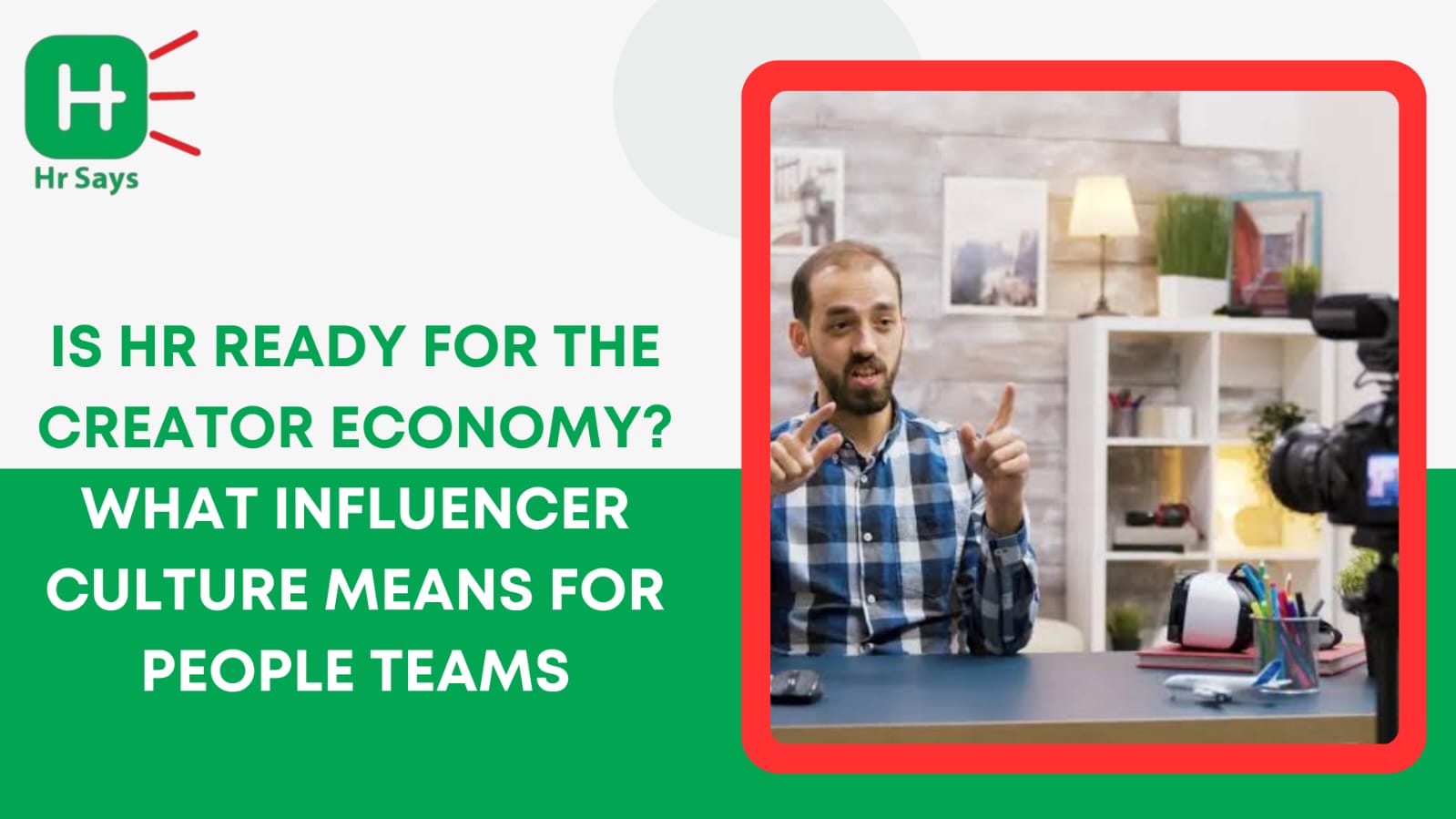
 As influencer culture spills into hiring, learning, and employer branding, HR must rethink how it communicates. This article explains how creator-style thinking — visibility, storytelling, audience building — is changing what people expect from HR. We break down why content isn't marketing’s job alone anymore and how HRs can build influence without chasing virality. A behavior funnel helps HRs see their place in the new creator ecosystem. For HRs stuck in the back office, it’s time to step into the spotlight.





For years, “creator economy” felt like a marketing thing.
YouTubers. Instagram influencers. LinkedIn content coaches.
But in 2025, the creator economy isn’t staying in the marketing lane — it’s merging into employer branding, hiring, learning, and leadership. And HR professionals are either:
- Quietly watching from the sidelines
- Or stepping in and becoming the voice behind their company’s people brand
This shift isn’t optional.
Because the best talent now expects transparency, authenticity, and access — and they’re more likely to trust a short video from your HR manager than a polished careers page.
🧠 Why the Creator Economy Matters to HR (Yes, You)
- Your hiring pipeline lives on LinkedIn, not job boards
Candidates follow people, not just companies. If your HR team has no visible voice, you're invisible to passive talent. - Your employer brand is only as strong as your storytellers
An internal culture story shared by an HRBP can have more impact than a glossy corporate video. - Your L&D efforts are being compared to Reels, YouTube, and Coursera
Employees learn in short, creator-style formats. If your training is still slide-heavy and faceless, it’s not engaging Gen Z or millennial learners. - Influencers already shape your perception — even if they don’t work for you
The rise of “workfluencers” means someone is talking about your industry’s culture. If you're not in the conversation, you're letting others control your narrative.
🛠 What Creator-Savvy HRs Are Doing Differently
|
Tactic |
Why It Works |
|
🎙️ HR Team Members on LinkedIn |
People want to hear from people — not just brand handles |
|
🎥 Behind-the-scenes culture videos |
Authenticity > polish. Show the real employee experience |
|
📢 Storytelling in job posts |
“Why this role matters” > “Responsibilities include…” |
|
🧠 Creator-style learning content |
Micro-lessons, short Looms, peer-led tutorials = more adoption |
|
🤝 Partnering with workfluencers |
Co-creating webinars, Q&As, or culture spotlights with relevant voices |
This isn’t about becoming influencers. It’s about becoming trusted communicators in the age of content.
📣 Community Call: #HRvsCreatorCulture
How is your HR team responding to the creator shift?
Have you tried something new — or are you still watching?
We’re opening the floor for HR professionals to share:
- 🎙 Your first post or video as an HR voice
- 📉 A hiring or L&D initiative you revamped with content-style tactics
- 🧠 A policy or message you turned into something actually engaging
Use #HRvsCreatorCulture and tag @HRsays. We’ll feature the most honest, bold, or creative shares in our upcoming roundup: “How HRs Are Going Public (on Purpose).”
✨ Final Thought: HR Isn’t Becoming a Brand — It Already Is One
The creator economy isn’t just a tech trend — it’s a shift in how trust is built.
And if HR wants to stay relevant, we need to build trust the way modern talent consumes it:
👉 In conversations, not campaigns
👉 With people, not just policies
👉 Through real voices, not just vision decks
Want to join the movement? Post using #HRvsCreatorCulture or send us your creator-inspired HR story. HRsays is ready to feature you.