 Tuesday, November 17, 2026
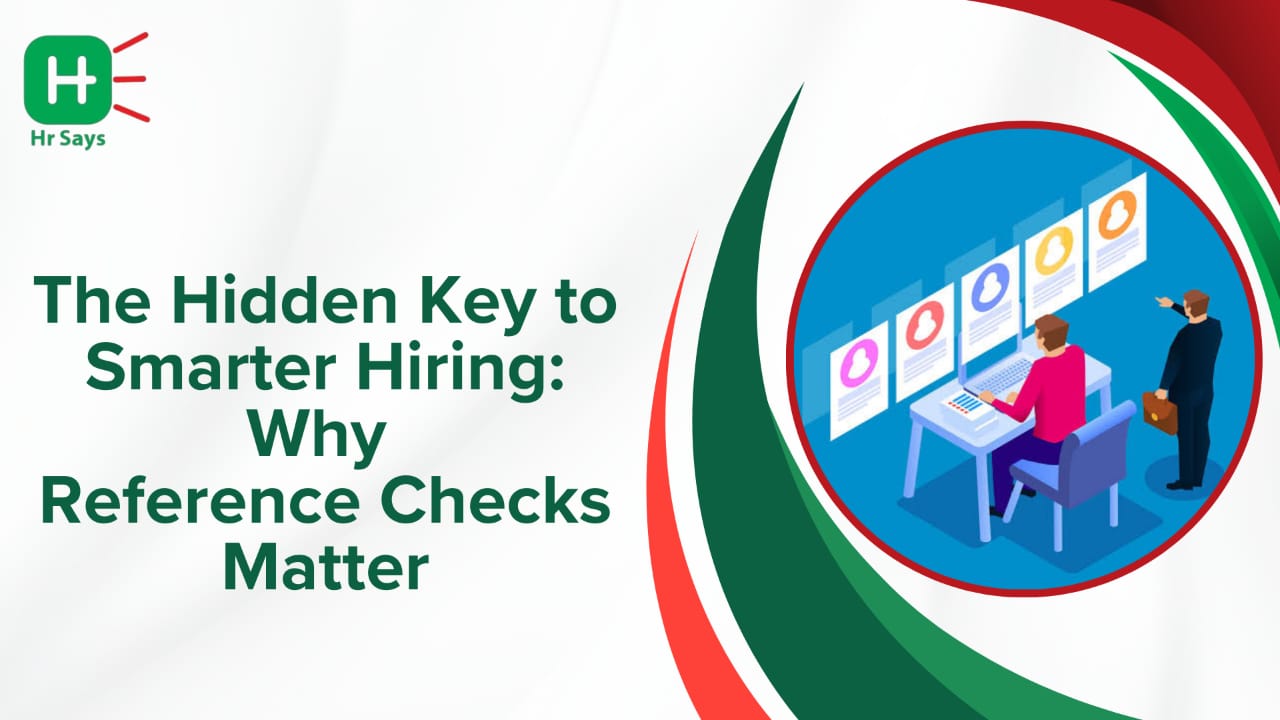
 Reference checks provide insight beyond resumes and interviews. They reduce hiring risks,
reveal strengths and weaknesses, and build trust in decisions. Employers who use them wisely
create stronger, more reliable teams.





How well do we know the people that service we employ? Resumes are brilliant, interviews scintillating but the jammed truth is usually found in history. That is where check references come in. They give transparency, eliminate risks, and influence more effective hiring.
Why Reference Checks Should Never Be Skipped
Reference checks are not overly formal They are what brings about the difference between what was said by the candidates and what actually occurred in their previous posts. Employers are better informed about the competencies, conduct and the dependability of a person. Here, failure to undertake this step can result in hiring blindly.
Uncovering the Real Candidate
Every candidate aims to present their best self. Interviews highlight strengths, but not the full picture. Reference checks reveal consistency, adaptability, and problem-solving traits that may not surface otherwise.
What Employers Learn
Through honest conversations with former managers or colleagues, employers can understand:
● Work ethic and discipline
● Ability to handle pressure
● Strengths that go beyond technical skills
● Areas where support may be needed
The Risk of Overlooking Reference Checks
Hiring without verification can bring hidden costs. A wrong hire often results in lost productivity, higher training expenses, and strained team dynamics. Reference checks reduce these risks by validating claims before a decision is finalized.
Building Trust in the Process
A candidate who is confident in their background will usually welcome reference checks. It
signals transparency and fairness. For employers, it builds trust in the hiring process and
ensures decisions are backed by facts, not assumptions.
Best Practices for Effective Reference Checks
Reference checks work best when approached with structure. They should not be rushed or
treated as a checkbox.
Tips to Keep in Mind
● Ask open-ended questions rather than yes-or-no queries
● Verify both strengths and weaknesses
● Speak with multiple references for a balanced view
● Keep the process consistent for all candidates
Conclusion
Reference checks are not about doubt, but about clarity. They confirm skills, reveal patterns,
and help employers make choices with confidence. In a world where talent drives success, this
step should never be underestimated.