 Saturday, October 24, 2026
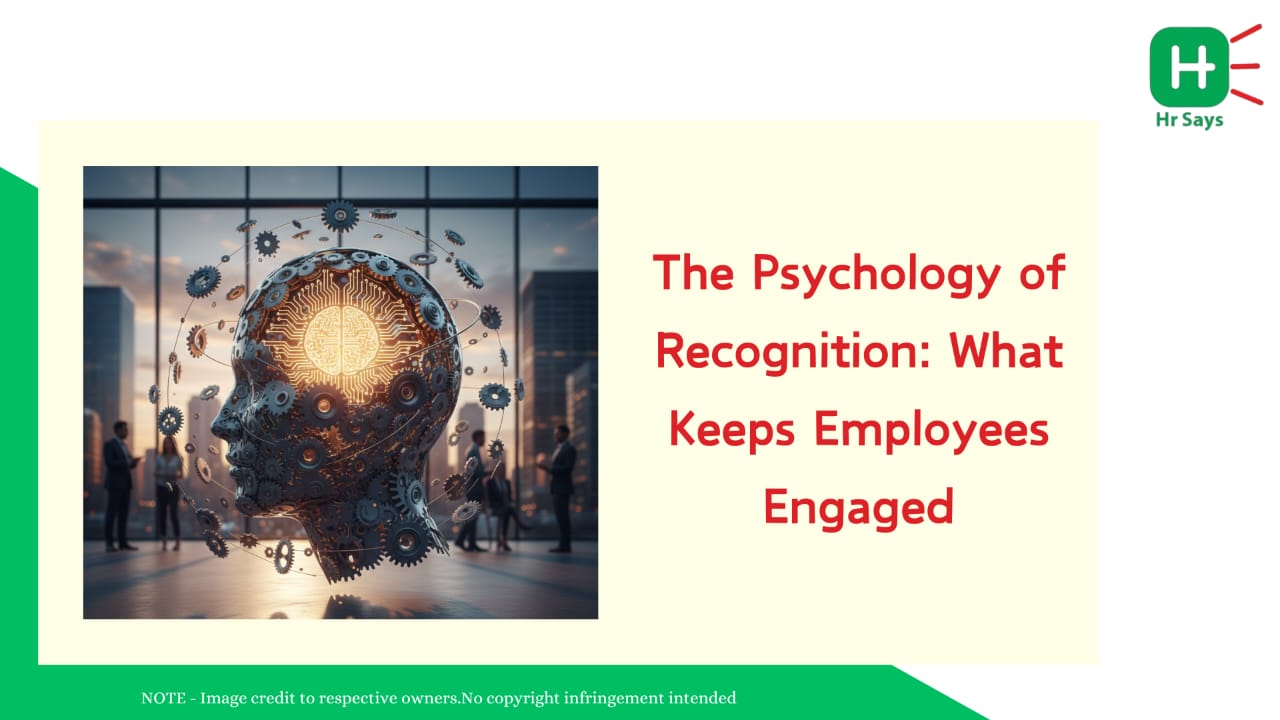
 This blog explains how recognition influences employee engagement, motivation, and
workplace culture. It highlights psychological drivers, practical methods, and balanced
approaches that help organisations create meaningful employee recognition systems.
This blog explains how recognition influences employee engagement, motivation, and
workplace culture. It highlights psychological drivers, practical methods, and balanced
approaches that help organisations create meaningful employee recognition systems.




Why do certain work places seem to be alive and the other work places seem exhausted with the same heavy work burden? The solution is radiated usually through the way employees are acknowledged. Within the majority of teams, a mere recognition will change the energy, establish the purpose, and keep individuals invested. Appreciation is better than recognition. It becomes fuel.
Modern HR planning has become incorporated with employee recognition programs, workplace motivation, as well as engagement strategies. Recognition at its best promotes retention, burnout minimization and development of culture of trust. When performed badly, individuals become invisible. They disconnect. Such silence of withdrawal propels organisations into a turnover.
How Recognition Impacts the Human Mind
A brief explanation allows the readers to know how appreciation works science before touching the deeper implications of the same. The perception is taken as a reward to the brain. People feel appreciated as it elicits an innate emotional reaction. This emotional uplift raises dedication and hard work. Gradually, recognition comes to be associated with performance by employees. They begin to feel that their job is not pointless.
Appreciation also affects workplace culture. When employees feel valued, they tend to help others. Collaboration becomes smoother. Motivation becomes consistent. In many teams, this shift reduces resistance and increases trust.
Key Psychological Drivers Behind Engagement
This section helps readers explore why recognition influences people differently.
● People crave belonging. Recognition strengthens that sense of inclusion.
● Appreciation validates effort. It confirms that time invested was worth it.
● Encouragement activates intrinsic motivation. It inspires growth.
● Social acknowledgment satisfies the need for approval without making it competitive.
● Consistent feedback builds confidence and reduces self doubt.
These drivers explain why employee engagement strategies often center around recognition. It is not about rewards. It is about the emotional return employees get from being seen.
What Effective Recognition Looks Like
A short introduction sets the stage for understanding practical recognition practices.
Not all appreciation works. In many workplaces, recognition feels routine. People sense it when praise lacks sincerity. Effective recognition feels personal. It reflects specific effort. It is timely. It focuses on growth, not flattery.
Simple Ways Managers Boost Engagement
These methods help teams feel valued without complex programs.
● Mention small wins in team meetings.
● Provide constructive feedback that feels honest.
● Highlight contributions during busy periods.
● Personalize recognition by referring to actual effort.
● Encourage peer recognition in group discussions.
Workplace recognition systems that focus on clarity and relevance often create stronger emotional responses. Employees feel connected to their tasks. They feel seen without being judged.
Balancing Praise With Performance
This introduction allows readers to understand how moderation supports long term engagement.
Too much praise may feel forced. Too little creates silence. The balance comes from authenticity. Recognition must match performance. When this balance is maintained, employees understand expectations clearly. They work with confidence. Engagement becomes sustainable.
Managers who offer grounded appreciation reduce confusion. They create space for honest conversations. This balance is essential for long term retention and a healthy work culture.
Conclusion
Recognition affects people more deeply than most realise. It shapes behaviour, trust, and motivation. When organisations value effort, employees respond with loyalty and focus. A thoughtful recognition strategy becomes a quiet force that keeps teams engaged and aligned.