 Thursday, October 01, 2026
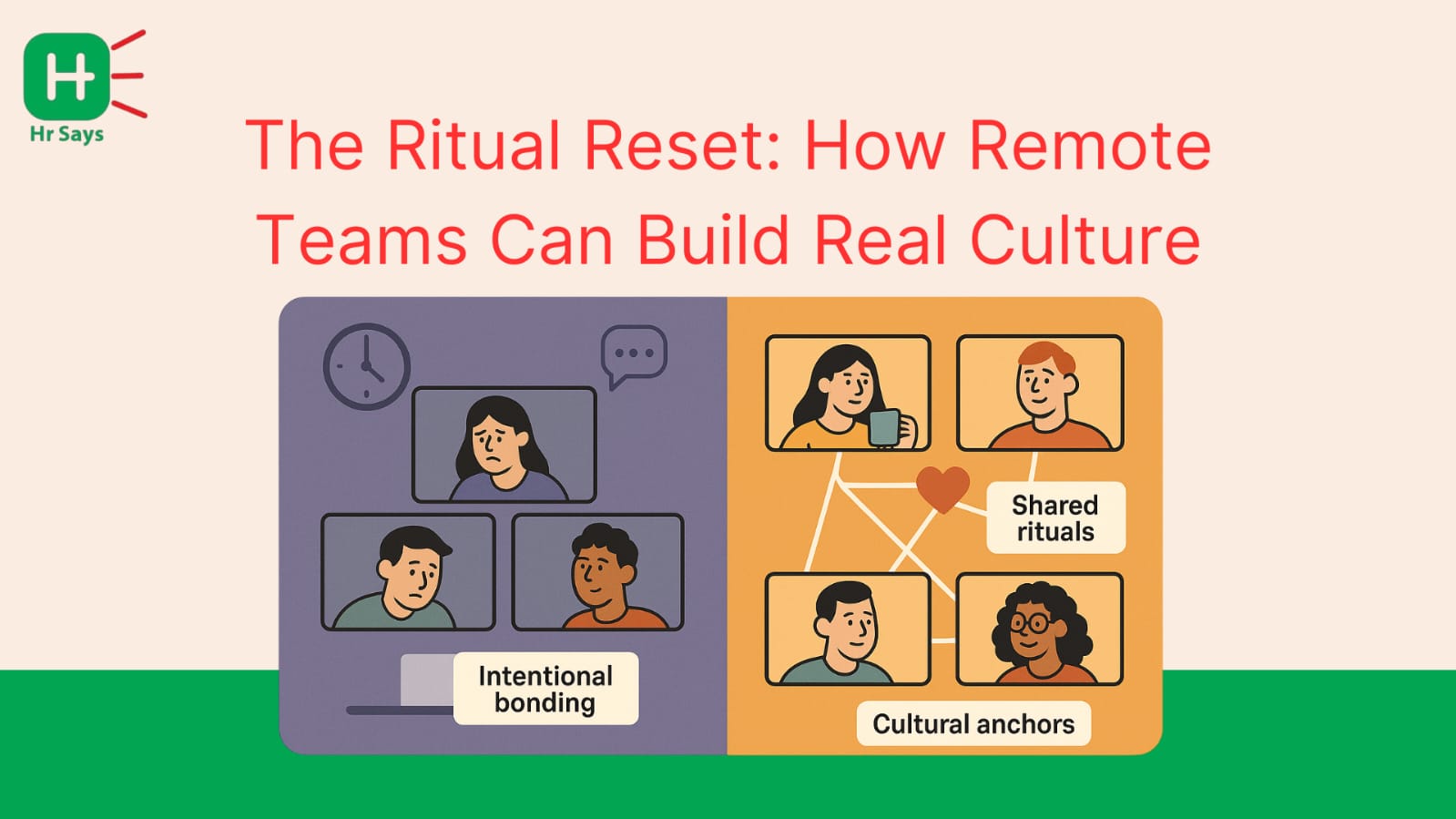
 Remote teams thrive when rituals create shared identity and rhythm. This blog explores how simple, intentional practices—done consistently—can shape team culture, foster emotional connection, and build a cohesive remote work experience beyond screens.




What can hold a distributed team together when they never in the same room? Not only Slack messages or zoom calls, it is the rituals. Quiet, consistent habits that bind people across time zones. In this piece, we explore how designing simple rituals can help remote teams feel like… well, teams.
The Soul of a Team Is in Its Rituals
Rituals don’t need confetti. They’re often small. But their impact is deep.
They act as social glue—offering rhythm, shared meaning, and identity. When distance separates people physically, rituals act as reminders that you belong somewhere. That this team, scattered across screens, still has a center.
Why Rituals Matter More Remotely
In-office teams bond at the watercooler. Remote teams? They need to create their own rhythm. Without rituals, silence can feel like disconnection.
Key reasons rituals matter:
● They create predictability in scattered workflows.
● They help teams pause, reflect, and reset.
● They build a shared sense of time and progress.
● They offer emotional grounding—especially during high-stress periods.
Remote rituals, when done right, become cultural anchors.
Designing Rituals That Actually Stick
Not all rituals work. Some fizzle out. Some feel forced. But the good ones? They feel natural. Almost invisible.
Here’s how to design meaningful ones.
Begin the Feeling, not the Shape
Question how will you want your team to feel? Energized? Heard? Safe? Celebrated? Let
emotion drive design.
Then choose a format:
● Weekly huddles
● End-of-month wins roundup
● Open mic Fridays
● Async gratitude boards
● Monthly offbeat challenges
Keep It Simple. Keep It Light.
Heavy rituals break easily. Choose formats that:
● Require minimal prep
● Work async when needed
● Feel optional but magnetic
● Allow different personalities to show up in their own way
“Every Tuesday, we drop a photo of our lunch in a Slack thread.”
Sounds silly? Maybe. But it gets people talking. Laughing. Bonding. That’s culture.
Let It Grow. Let It Breathe.
Rituals aren’t set in stone. They evolve.
If a ritual feels stale:
● Pause it
● Tweak it
● Or let it go entirely
Sometimes, teams bond best over the freedom to co-create.
Rituals That Build Identity, Not Just Connection
Rituals don’t just build relationships. They build shared identity.
It’s the difference between: “We work together.” and “We’re this kind of team.”
Rituals can reinforce values like:
● Transparency (Open check-ins)
● Playfulness (GIF battles)
● Deep thinking (Silent brainstorm sessions)
● Learning (Monthly book swaps)
Every time a ritual runs, it reminds your team what you stand for.
Closing Thought
Remote work doesn’t mean disconnected work. With the right rituals, a team spread across continents can feel tighter than one sharing a single office. Culture isn’t about walls. It’s about rhythm, intention, and showing up for each other—in small, meaningful ways.