 Saturday, October 24, 2026
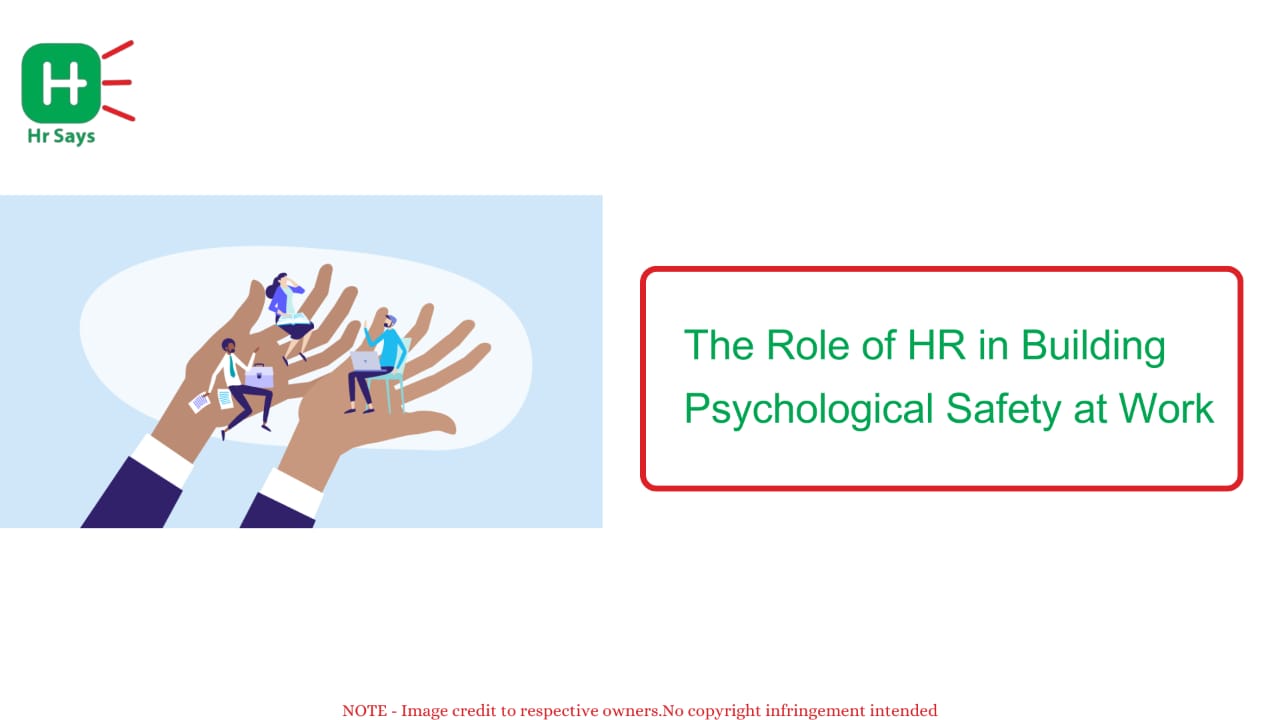
 This blog explores how HR strengthens psychological safety by encouraging trust, fair
communication, and employee wellbeing. It highlights actions that help employees share openly,
reduce stress, and feel supported in modern workplaces.
This blog explores how HR strengthens psychological safety by encouraging trust, fair
communication, and employee wellbeing. It highlights actions that help employees share openly,
reduce stress, and feel supported in modern workplaces.




Have you ever wondered how come that some teams are easier to speak up as opposed to others who remain silent, despite the teams possessing brilliant ideas? This disparity typically reduces to psychological safety. This is a basic sense of feeling comfortable to express yourself and in most workplaces, this is still wanting and the HR has the massive influence to transform that.
Creating an Environment Employees Can Trust
Trust developed gradually, as a result of those small yet obvious gestures, leads to increased psychological safety. When their concerns are listened and taken into consideration, the teams will feel more confident. HR turns out to be the force behind such an environment, creating the cultures in which people can speak freely. This foundation helps improve greater teamworking, engagement of employees and healthier working environments.
Why Psychological Safety Matters for Modern Workplaces
A workplace without fear encourages smoother communication, fewer conflicts, and faster problem solving. As hybrid work becomes common, stress and workplace anxiety also rise. HR needs to step in with smarter practices, employee support mechanisms, and people driven policies that strengthen workplace culture and overall wellbeing.
Key Responsibilities of HR in Building Psychological Safety
HR ensures that the culture reflects fairness, clarity, and emotional safety. Their responsibilities go beyond recruitment and policies. It becomes about shaping behaviours and strengthening employee experience from the ground up.
Clear Communication Practices
A clear flow of information reduces confusion. Employees feel comfortable when expectations are easy to understand. HR encourages:
● Transparent decision making
● Open door communication
● Quick response systems during conflicts
● Regular feedback channels
These steps not only improve trust but also reduce workplace stress.
Conflict Resolution and Fair Treatment
Conflict is normal, but how it is handled defines the culture. HR ensures fairness through:
● Neutral conflict handling
● Bias free decisions
● Safe reporting processes
● Privacy for sensitive issues
When people feel heard, unnecessary tension drops.
Training Managers to Support Teams
Managers influence how safe a team feels. HR trains managers to listen better, respond calmly, and support people during stressful days. A psychologically safe manager avoids blame, encourages questions, and appreciates small efforts. These small shifts improve team behaviour and performance.
Encouraging Employee Voice and Participation
People feel safe when their voice matters. HR promotes participation by creating spaces where employees can share ideas, concerns, or doubts. Anonymous surveys, team circles, and open forums allow people to express themselves without hesitation. Over time, this improves honesty and reduces silence culture.
Strengthening Wellbeing and Mental Health Support
Psychological safety increases when wellbeing support feels accessible. HR provides resources like mental health programs, stress management sessions, and inclusive workplace guidelines. When employees feel cared for, they contribute without fear. The overall culture becomes healthier and more balanced.
Building a Consistent Culture Over Time
Culture shifts do not occur overnight. HR ensures that practices remain consistent and fair. When policies match actions, trust grows naturally. Psychological safety becomes part of everyday behaviour, not just a concept written in a handbook.
Conclusion
A psychologically safe workplace is not built by chance. It grows through active HR involvement, transparent communication, fair conflict handling, and everyday behaviours that support trust. As workplaces evolve, HR becomes the anchor that keeps teams steady, open, and ready to contribute without fear