 Monday, October 05, 2026
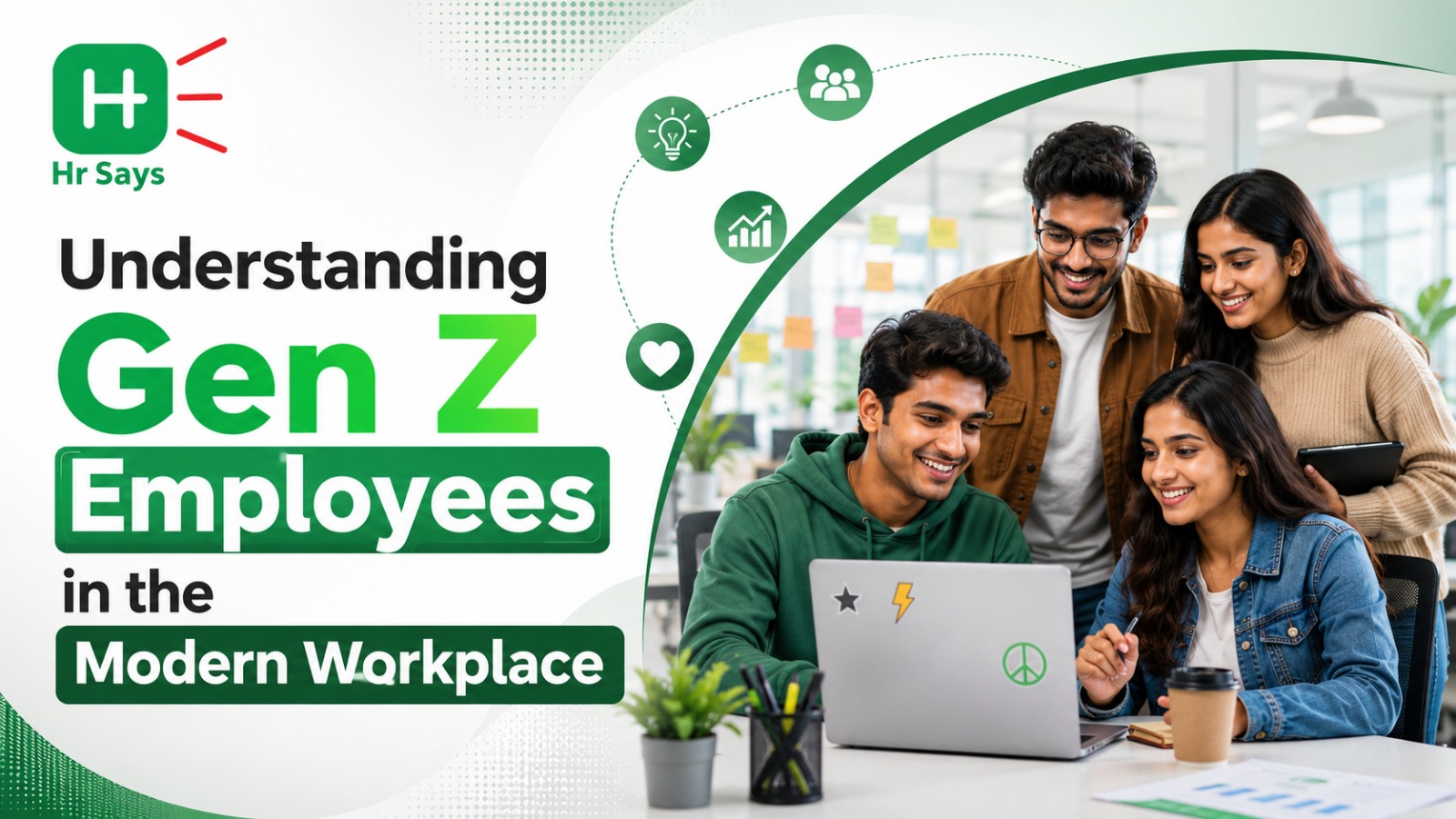
 Understanding gen z employees requires adapting leadership, communication, and workplace systems to modern expectations shaped by technology and changing career values. Organizations that evolve with gen z employment trends and focus on flexibility, transparency, and growth are more likely to build sustainable workplaces for the future.




The workplace is changing faster than many organizations expected, and much of that shift is being shaped by gen z employees. Unlike previous generations, this workforce entered professional life during a period influenced by rapid technology growth, remote work culture, economic uncertainty, and constant digital exposure. As a result, traditional workplace systems do not always align with how Generation Z views work, communication, learning, and career growth.
For HR leaders and business owners, understanding these changes is no longer optional. The future of gen z employment depends on whether organizations can adapt their culture, leadership style, and workplace systems in meaningful ways.
Why Gen Z Employees Approach Work Differently
One of the biggest misunderstandings surrounding gen z workers is the assumption that they simply want flexibility or shorter attention spans. In reality, their workplace behavior is strongly shaped by the environment they grew up in.
Generation Z entered adulthood during global uncertainty. Many witnessed economic instability, changing job markets, and the rapid rise of digital careers. Unlike older generations who often viewed jobs as long-term stability, Gen Z tends to see employment as part of a broader life system that includes mental well-being, flexibility, financial growth, and personal identity.
This explains why many generation z workers value transparency more than hierarchy. They prefer managers who communicate clearly instead of relying only on authority. They also expect workplaces to evolve quickly because they are used to technology and systems updating constantly in daily life.
Another important factor is access to information. Earlier generations often depended on organizations for learning opportunities, but Gen Z can learn almost anything independently online. This changes how they view career progression. If workplaces fail to offer meaningful growth, they may quickly seek alternatives.
The difference is not about loyalty versus disloyalty. It is more about how modern work is perceived. For many Gen Z professionals, work must feel purposeful, adaptable, and connected to long-term personal development.
The Real Challenges HR Leaders Face While Managing Gen Z Employees
Many organizations struggle with managing gen z employees because traditional workplace systems were designed around older work expectations. Policies focused heavily on rigid schedules, formal communication, and long-term hierarchy often create friction with younger employees.
One common issue is communication style. Gen Z prefers direct and transparent conversations. Delayed feedback or unclear expectations can create anxiety and disengagement. This does not mean they require constant praise. Instead, they often perform better when feedback feels immediate and actionable.
Another challenge involves workplace meaning. Many HR leaders assume compensation alone drives retention, but younger professionals frequently evaluate emotional and professional value together. If work feels repetitive or disconnected from larger goals, motivation may decline quickly.
There is also a growing gap between workplace image and workplace reality. Many organizations promote flexibility publicly but maintain rigid internal systems. Working with gen z employees becomes difficult when expectations communicated during hiring differ from actual experiences.
Several patterns commonly appear in organizations struggling with Gen Z retention:
- Employees disengage when communication feels overly corporate or distant
Younger professionals often respond better to conversational clarity rather than heavily formal messaging. When communication becomes excessively structured without context, it may create emotional distance between leadership and employees. - Rigid systems reduce motivation even in high-paying roles
Many Gen Z professionals are willing to work hard, but they prefer systems that acknowledge productivity instead of focusing only on visible presence. Flexible structures often improve performance rather than reduce accountability. - Lack of learning opportunities creates faster turnover cycles
Career development matters deeply to this generation. If employees feel they are not learning new skills or building future value, long-term retention becomes more difficult.
These patterns are not signs of weakness in younger employees. They reflect a workforce adapting to a rapidly changing professional environment.
How Technology Shapes Gen Z Employment Expectations
Technology is not simply a tool for Generation Z. It is the environment they grew up inside. This has deeply influenced expectations around speed, communication, accessibility, and workplace efficiency.
Many gen z employees expect systems to work smoothly because digital convenience is normal in everyday life. Slow approval processes, outdated workplace software, or excessive bureaucracy may feel unnecessarily frustrating.
This also changes how younger employees approach collaboration. They are comfortable learning through short-form content, interactive platforms, and asynchronous communication. Traditional training sessions without engagement often feel ineffective.
At the same time, digital familiarity creates unique challenges. Constant online exposure increases comparison, burnout risk, and attention fragmentation. HR leaders sometimes mistake this for lack of discipline, but it often reflects overstimulation rather than low capability.
Organizations adapting successfully to gen z employment trends usually focus on practical modernization rather than superficial branding. Employees notice whether systems genuinely improve workflow or simply appear modern externally.
The most successful companies are not removing structure entirely. Instead, they are redesigning systems to feel more responsive, transparent, and human-centered.
The Psychological Shift Behind Modern Workplace Expectations
One of the most overlooked aspects of managing generation z in the workplace is the psychological shift happening across modern careers.
Earlier generations often separated personal identity from professional identity. Gen Z tends to connect the two more closely. Work environment, leadership behavior, inclusivity, and emotional safety influence how they experience professional life.
This does not mean workplaces must become overly emotional environments. It means employees increasingly expect respect, clarity, and psychological stability alongside performance expectations.
Another major shift involves career pacing. Many younger professionals no longer assume careers will follow linear progression. Side projects, freelancing, digital entrepreneurship, and portfolio careers influence how they view employment.
This creates both opportunities and challenges for HR leaders. On one hand, Gen Z often brings adaptability, creativity, and digital awareness. On the other hand, traditional retention strategies may become less effective if organizations fail to evolve.
Understanding this mindset helps explain why many gen z workers prioritize workplace culture during job decisions. They are not simply searching for comfort. They are evaluating whether an environment supports long-term sustainability and growth.
What Effective Leadership Looks Like for Generation Z Workers
Leadership styles that worked effectively in the past may not always resonate with younger professionals today. Managing generation z employees requires a more balanced leadership approach that combines accountability with transparency.
Gen Z employees generally respond well to leaders who explain reasoning rather than simply giving instructions. They prefer understanding how decisions connect to broader goals.
Strong leadership for this workforce often includes:
- Consistent communication that reduces uncertainty
Clear updates and realistic expectations help employees feel more stable and connected to organizational direction. Silence or vague messaging often creates unnecessary confusion. - Practical mentorship instead of symbolic motivation
Younger employees value actionable career guidance more than generic inspiration. They want leaders who help them build real-world skills and professional confidence. - Recognition tied to meaningful contribution rather than visibility alone
Many Gen Z professionals appreciate acknowledgment when it reflects actual impact. Recognition systems based only on hierarchy may feel outdated or disconnected.
Leaders who adapt successfully often discover that younger employees can become highly engaged and innovative contributors when communication and trust improve.
Why Workplace Flexibility Means More Than Remote Work
Flexibility is often misunderstood as simply working from home, but for many gen z employees, flexibility represents something deeper.
It reflects trust, autonomy, and respect for individual productivity patterns. Younger professionals often care less about fixed structures and more about whether work systems feel efficient and fair.
This does not mean all employees want completely unstructured environments. In fact, many Gen Z workers still value guidance and accountability. The difference lies in how flexibility is integrated into workplace culture.
For example, flexible learning opportunities, adaptive communication systems, and personalized growth pathways often matter as much as schedule flexibility.
Organizations that resist all change may struggle increasingly with attracting younger talent. At the same time, companies that remove structure entirely may also create instability. The goal is balance rather than extremes.
The Future of Managing Gen Z Employees
The conversation around working with gen z employees is still evolving because the workforce itself is evolving rapidly. What works today may need adjustment within a few years as technology, economic conditions, and career expectations continue changing.
However, certain principles are becoming increasingly clear. Younger professionals value transparency, adaptability, learning opportunities, and emotional stability in the workplace. Organizations that recognize these priorities early often build stronger long-term engagement.
The future of work is unlikely to revolve around one generation alone. Instead, successful workplaces will learn how to create systems where multiple generations collaborate effectively without forcing everyone into outdated models.
HR leaders who understand this shift are not simply improving recruitment. They are preparing organizations for the future structure of work itself.
Conclusion
Understanding gen z employees requires more than adapting workplace trends or adding modern policies. It involves recognizing how technology, economic uncertainty, communication patterns, and psychological expectations have shaped an entirely different relationship with work.
The future of gen z employment will depend on how organizations balance flexibility, accountability, growth, and human-centered leadership. Companies that approach these changes thoughtfully are more likely to build workplaces that remain adaptable, productive, and relevant in the years ahead.
Frequently Asked Questions (FAQs)
1. Why do gen z employees value flexibility more than previous generations?Many gen z employees grew up in a highly digital environment where productivity was no longer tied only to physical presence. Flexibility often represents trust, work-life balance, and mental sustainability rather than simply remote work. Modern workplace trends and changing career expectations have also influenced how younger professionals approach long-term professional growth and workplace adaptability.
2. What makes managing generation z in the workplace different from managing older employees?Managing generation z in the workplace often requires more transparent communication and faster feedback systems. Unlike traditional workplace structures, younger professionals tend to value collaborative leadership, skill development, and emotional clarity. Their expectations are strongly connected to evolving workplace culture and digital-first communication habits.
3. Why do gen z workers switch jobs more frequently?Many gen z workers prioritize growth opportunities, learning environments, and meaningful work experiences over long-term stability alone. If workplaces feel repetitive or disconnected from personal development goals, employees may explore alternative opportunities. This shift is closely linked to changing career models and modern professional identity patterns.
4. How can companies improve retention among generation z workers?Organizations can improve retention among generation z workers by creating environments focused on transparency, mentorship, and continuous learning. Flexible systems, practical career pathways, and supportive leadership often increase engagement. Workplace culture and employee well-being also play a major role in long-term retention.
5. What communication style works best while working with gen z employees?When working with gen z employees, direct and clear communication tends to be more effective than overly formal corporate language. Younger professionals usually respond well to transparency, actionable feedback, and conversational clarity. This communication style supports stronger collaboration and reduces workplace uncertainty.
6. How does technology influence gen z employment expectations?Technology has shaped nearly every aspect of gen z employment, including communication speed, learning methods, and workflow expectations. Many younger employees expect workplace systems to feel efficient and digitally accessible because they are accustomed to seamless digital experiences in everyday life. This also affects how they evaluate workplace innovation and productivity.
7. Why do younger employees focus so much on workplace culture?For many gen z employees, workplace culture directly affects motivation, productivity, and emotional well-being. They often evaluate whether an organization supports respect, inclusion, and professional growth before committing long term. This reflects broader shifts in employee expectations and modern workplace psychology.
8. What challenges do HR leaders face while managing gen z employees?One major challenge in managing gen z employees is balancing flexibility with accountability. HR leaders may also struggle with communication gaps, retention concerns, and adapting older workplace systems to newer expectations. These challenges often emerge because workplace structures are evolving faster than many organizations anticipated.
9. How do generation z employees view career growth differently?Many managing generation z employees strategies now focus heavily on skill-building because younger professionals often see careers as flexible and non-linear. Instead of waiting years for advancement, they usually prefer continuous learning opportunities and practical career progression. This reflects changing workforce trends and digital-era career models.
10. What is the future of gen z employment in modern workplaces?The future of gen z employment will likely involve hybrid work systems, skill-based hiring, and more adaptive workplace structures. Organizations that prioritize communication, learning, and employee well-being are expected to perform better in attracting younger talent. Workplace flexibility and human-centered leadership will continue shaping future employment trends.