 Saturday, October 24, 2026
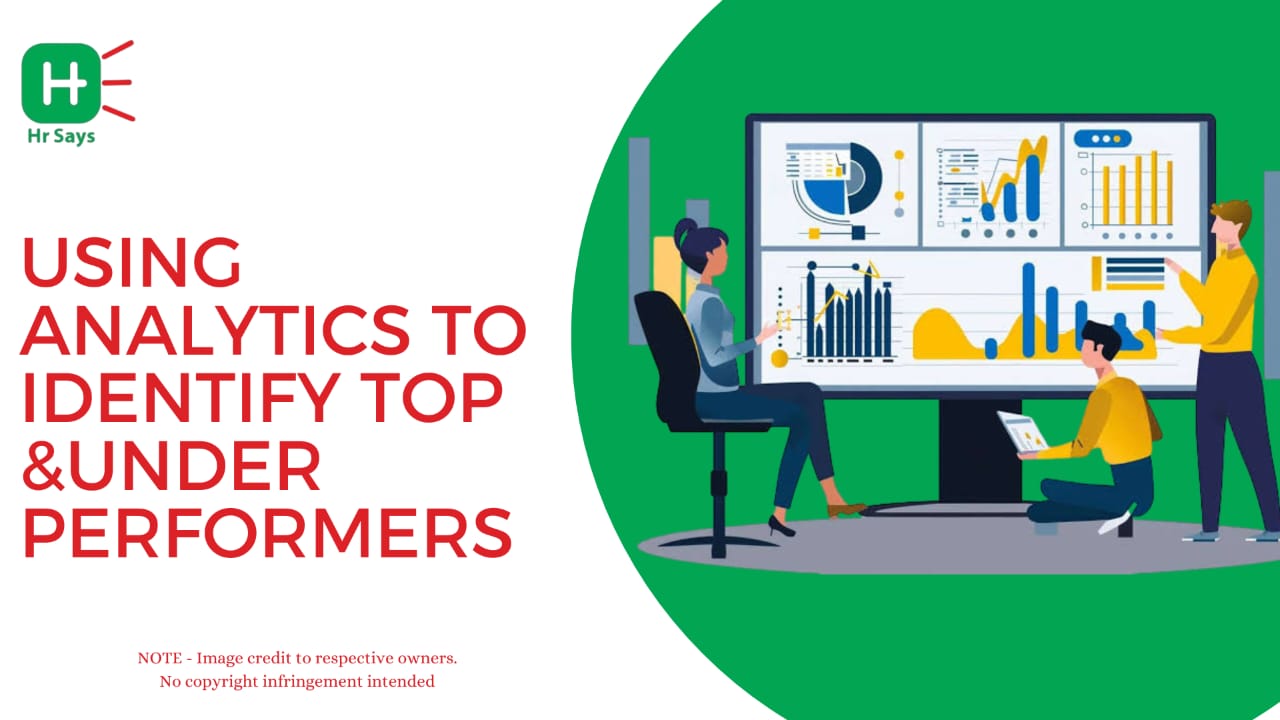
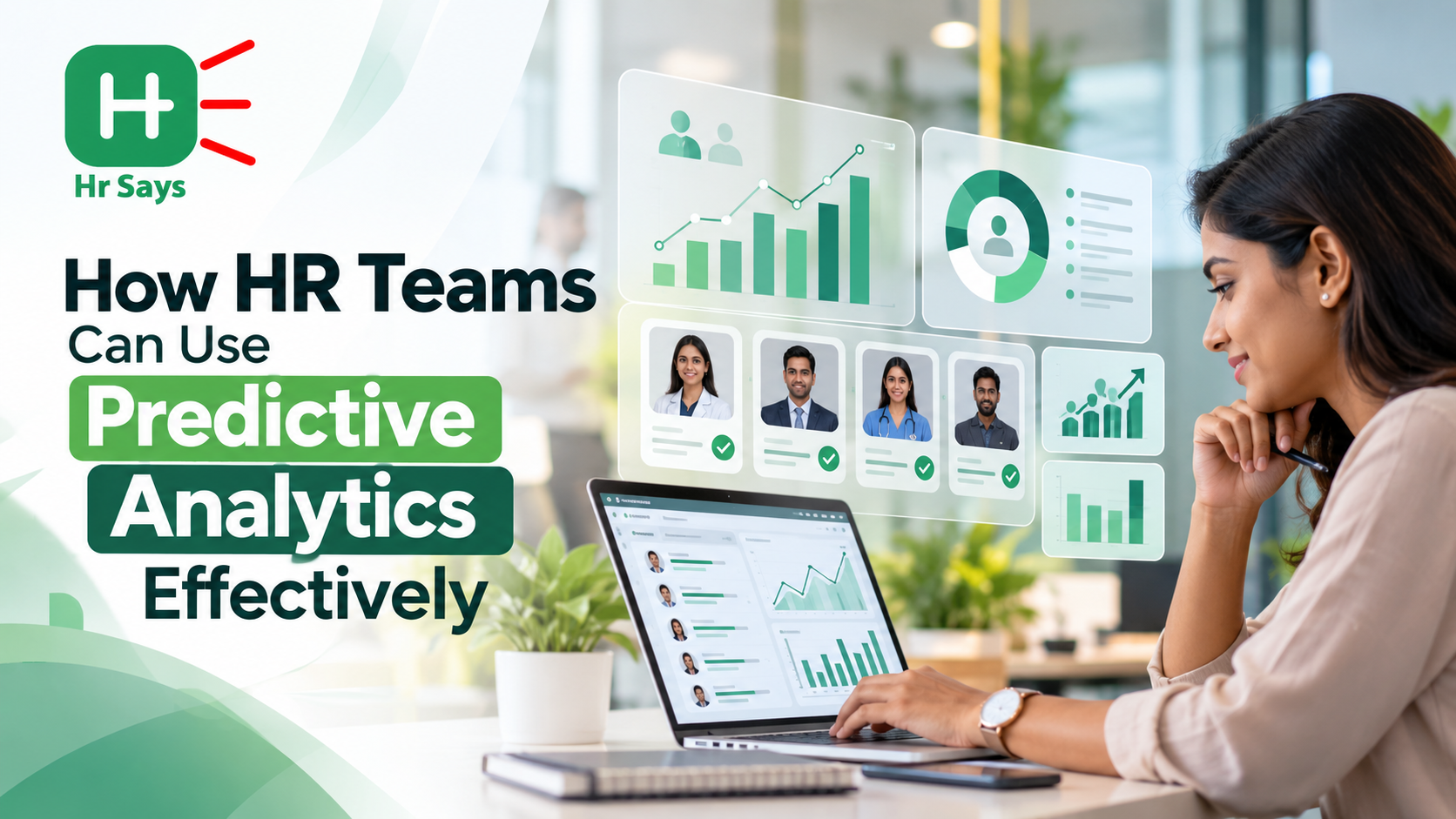
 This blog explains how analytics helps identify top performers and underperformers through
data insights, productivity trends and performance metrics. It highlights key indicators, unbiased
evaluation and the value of workforce analytics in better decision making.
This blog explains how analytics helps identify top performers and underperformers through
data insights, productivity trends and performance metrics. It highlights key indicators, unbiased
evaluation and the value of workforce analytics in better decision making.




Have you ever been wondering why there are always employees who shine and others who make it through silently? This mismatch remains concealed in most teams until the problem becomes apparent. These trends can be observed early with the help of proper analytics, and judgments can eventually be based on facts and not on guesses.
Understanding the Role of Analytics
The performance perspective is turning into a new trend of analytics. It assists leaders to shift to baseless intuition and trust it in reality. The readers enter into the realm in which numbers are not merely numbers. They become signals. They show strengths, gaps, habits and progress which usually remain undetected.
What Makes a Top Performer
Top performers leave trails that can be tracked with performance metrics. Their consistency and output often follow clear productivity trends. In workforce analytics, these patterns show up in multiple places, and each tells a small part of the story.
Common signs include:
● High task completion rates
● Fewer repeated errors
● Steady improvement across weeks
● Strong collaboration measured through team tools
These indicators help teams understand who is driving results. It also brings fairness, because recognition is based on visible data insights.
Identifying Underperformers Without Bias
Spotting underperformers is equally important. It is not about pointing fingers. It is about understanding where someone is stuck. Analytics helps in identifying slow-moving work, delayed outputs and a drop in engagement.
When employee performance data is reviewed, the goal is to find patterns, not punish people. Underperformance often links to:
● Skill gaps
● Burnout
● Workflow bottlenecks
● Lack of clarity in roles
With early signals, the support becomes timely and constructive.
Key Metrics That Truly Matter
Metrics feel heavy until they start making sense. The right ones keep a team on track. The wrong ones create confusion. That is why leaders rely on simple but powerful indicators that reflect true performance.
Productivity Metrics
These metrics track how efficiently tasks are completed. They highlight who manages time well and who gets stuck often.
Quality of Work
Quality analytics measure accuracy, error rates and consistency. They show how reliable the output is across projects.
Engagement Levels
Engagement analytics reflect participation in meetings, feedback loops and collaborative platforms. A drop often signals deeper issues.
Using Data Insights for Better Decisions
Once the patterns are clear, decisions naturally become easier. Employee performance data guides managers in assigning tasks, planning training or redistributing workload. Teams stop guessing. They start acting.
To make these insights work, leaders usually:
● Review weekly dashboards
● Compare long term trends
● Revisit goals based on real capacity
● Provide targeted training
With this approach, both high performers and struggling employees feel supported.
Balancing Transparency and Sensitivity
Analytics should be used with care. Numbers guide, but people feel. When performance results are shared sensitively, trust grows. Teams understand that analytics is not about surveillance. It is about improving workflows and creating balanced expectations.
A healthy workplace uses analytics as a spotlight, not a spotlight on one person. It keeps the environment fair, objective and growth oriented.
Conclusion
Analytics has quietly become the backbone of modern performance reviews. It helps highlight top performers, understand underperformers and remove bias from decision making. With meaningful insights, teams function with more balance, clarity and trust.