Search Results

You searched for : Workplacewellbeing  

Personalized Benefits for a Diverse Workforce

...
Mar 06

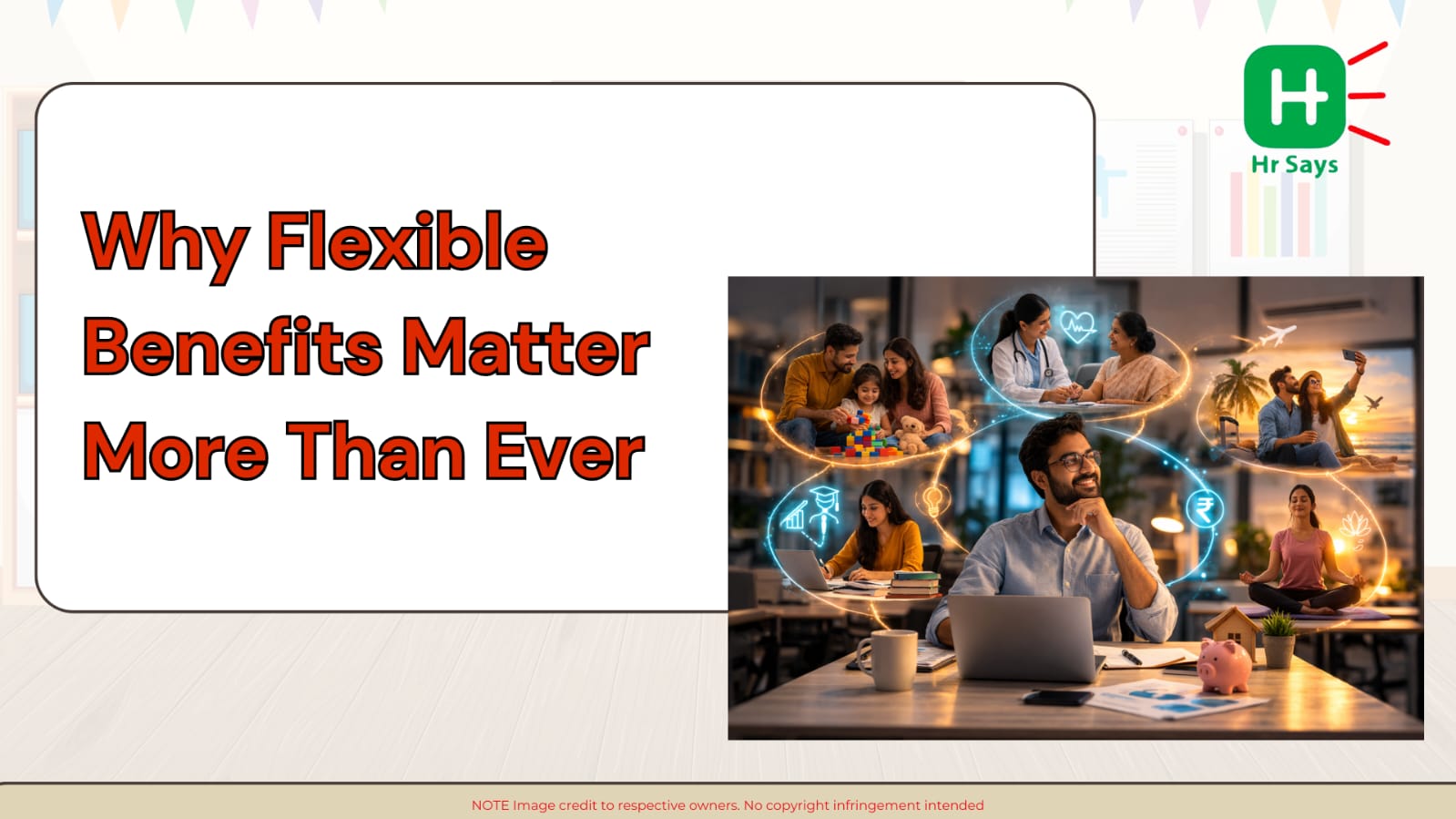
Why Flexible Benefits Matter More Than Ever

Flexible benefits are reshaping employee experience by supporting autonomy, well being, and retention. As workforce expectations evolve, personalised benefit structures are being prioritised to attract ...
Mar 02

Measuring The Impact Of Wellbeing Programs

Workplace wellbeing programs require structured measurement to demonstrate value. By combining quantitative metrics, qualitative feedback, and business performance indicators, organizations can evaluate real impact and ...
Feb 28

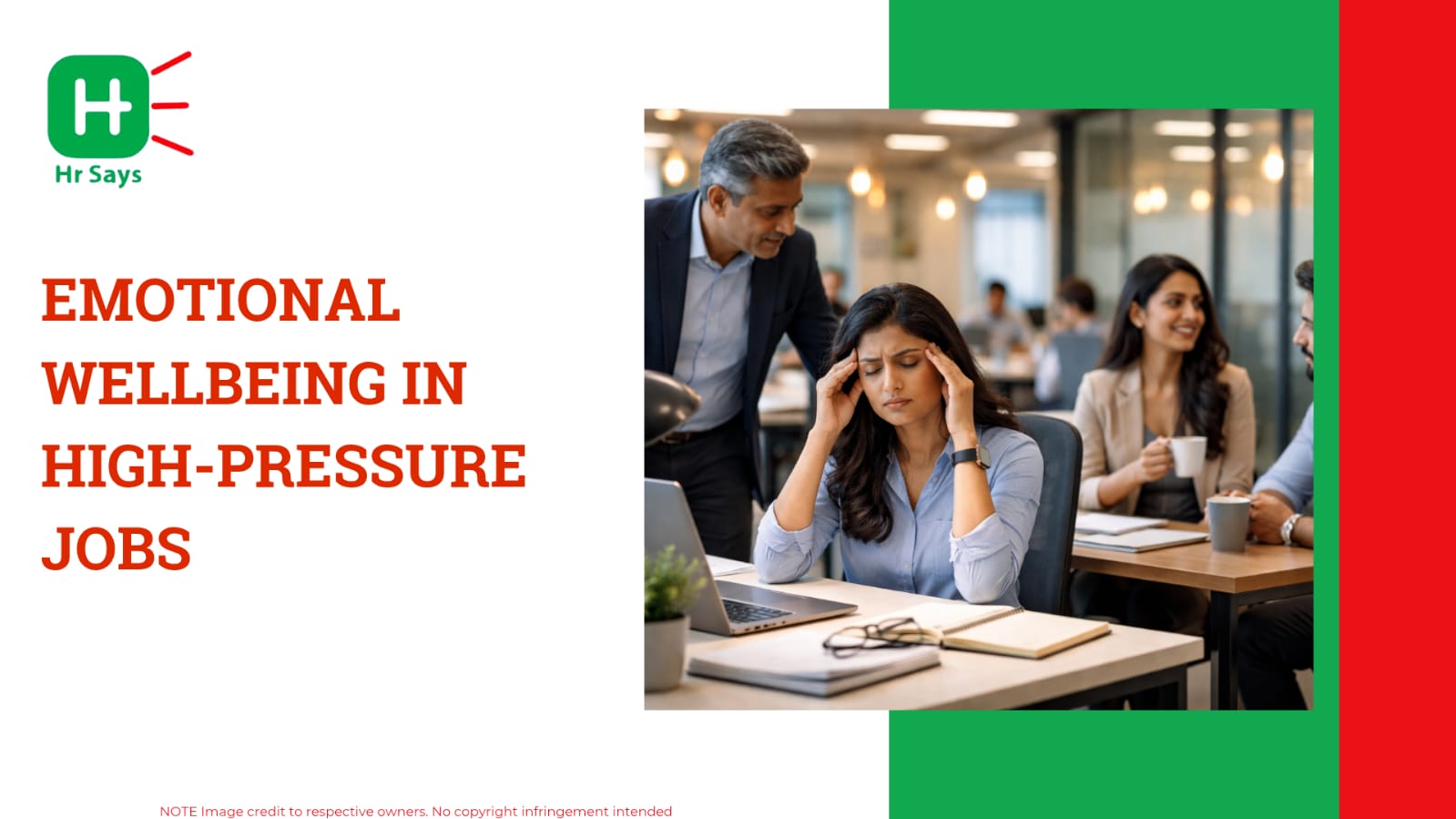
Emotional Wellbeing in High-Pressure Jobs

...
Feb 28

Work-Life Balance in Always-Online Workplaces

...
Feb 28

Communication: The Missing Link in Engagement

Employee engagement often weakens due to unclear and one sided communication. This blog explores how intentional, transparent, and two way communication strengthens trust, reduces disengagement, ...
Feb 12

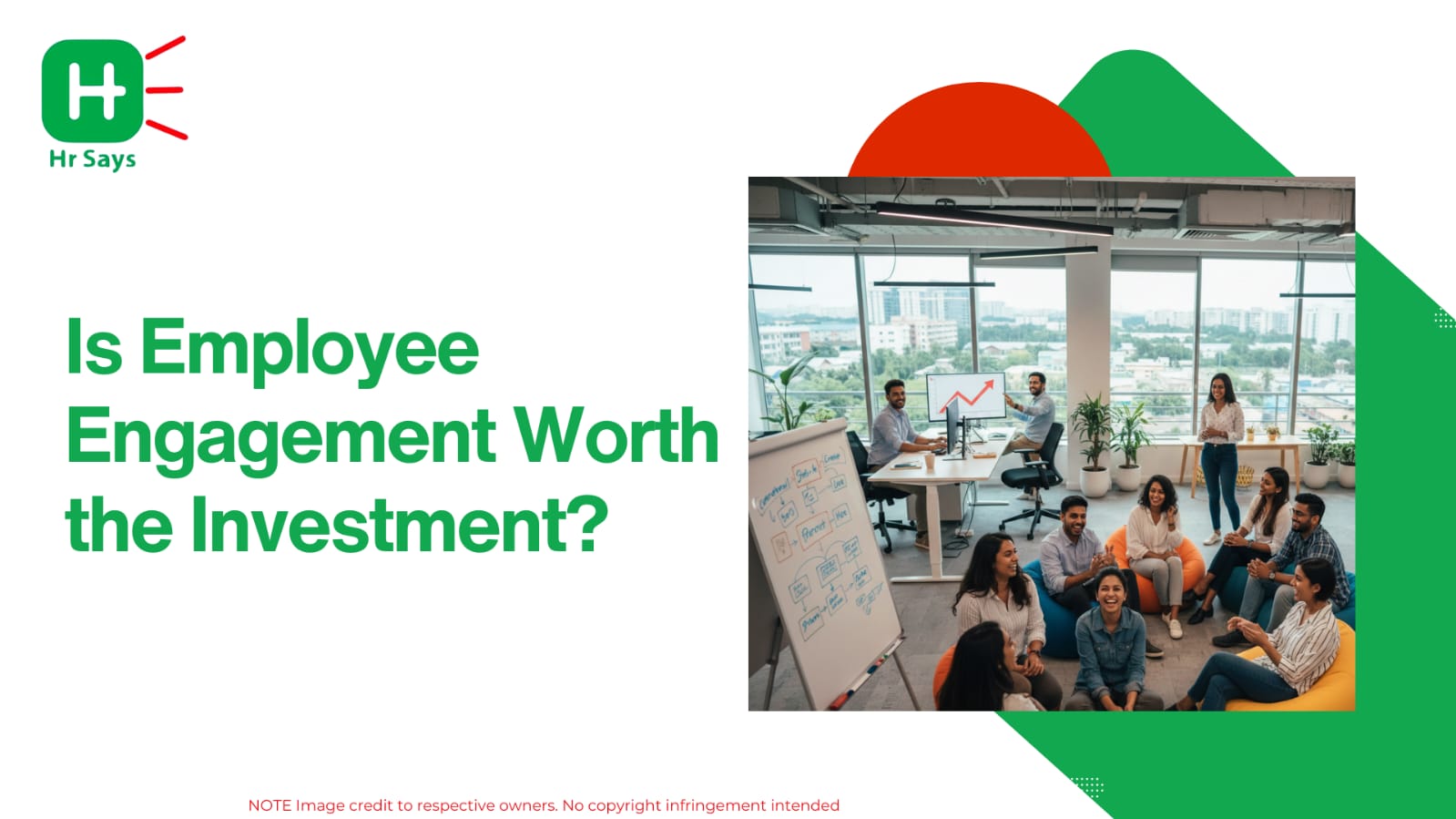
Is Employee Engagement Worth the Investment?

Employee engagement is explored as a long-term investment rather than a short-term expense. Its impact on productivity, retention, and workplace stability is examined, ...
Feb 12

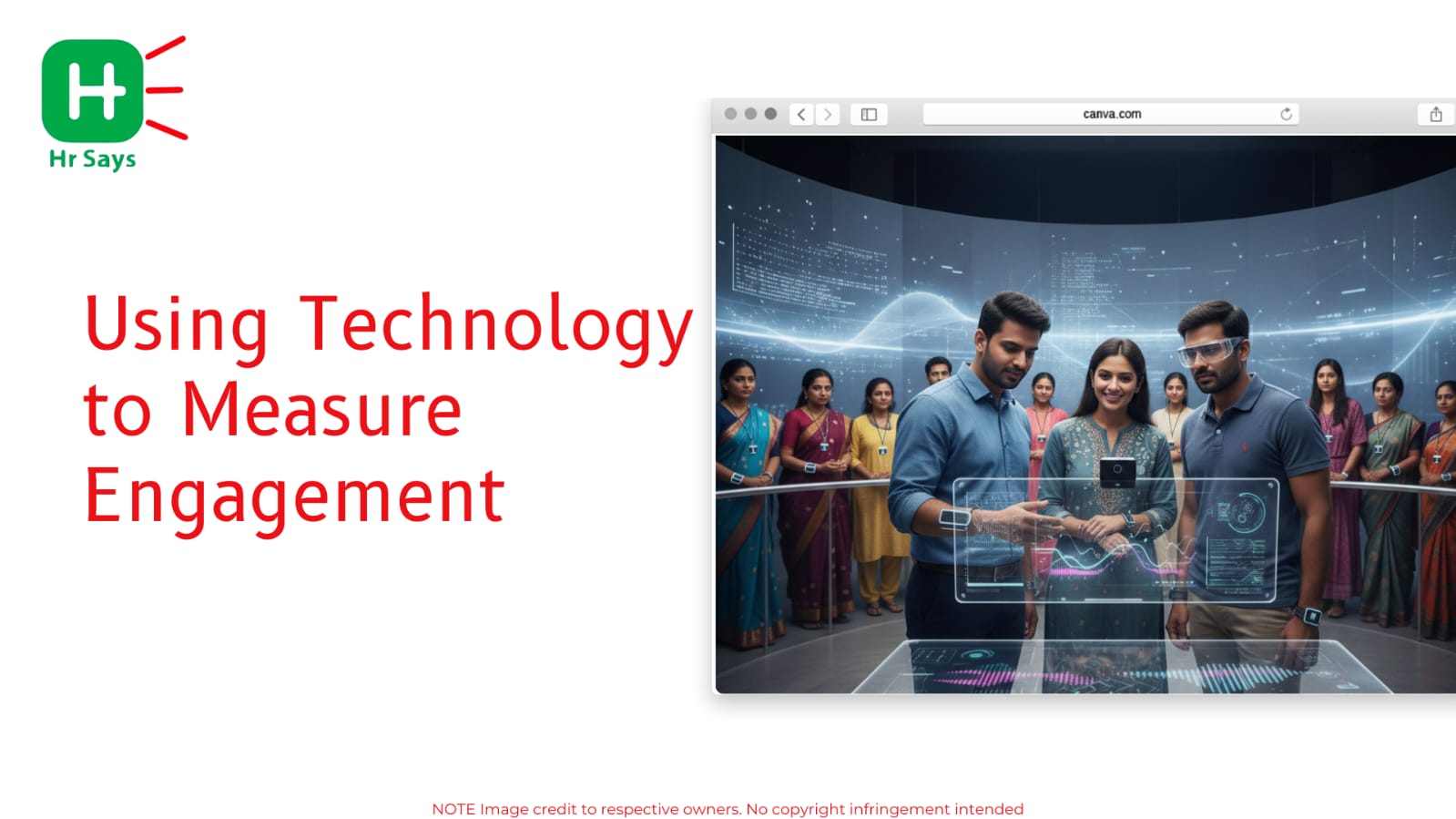
Using Technology to Measure Engagement

Technology enables continuous engagement measurement through analytics, pulse surveys, and AI insights. When used ethically, these tools help organizations detect trends, support employees proactively, and ...
Feb 12

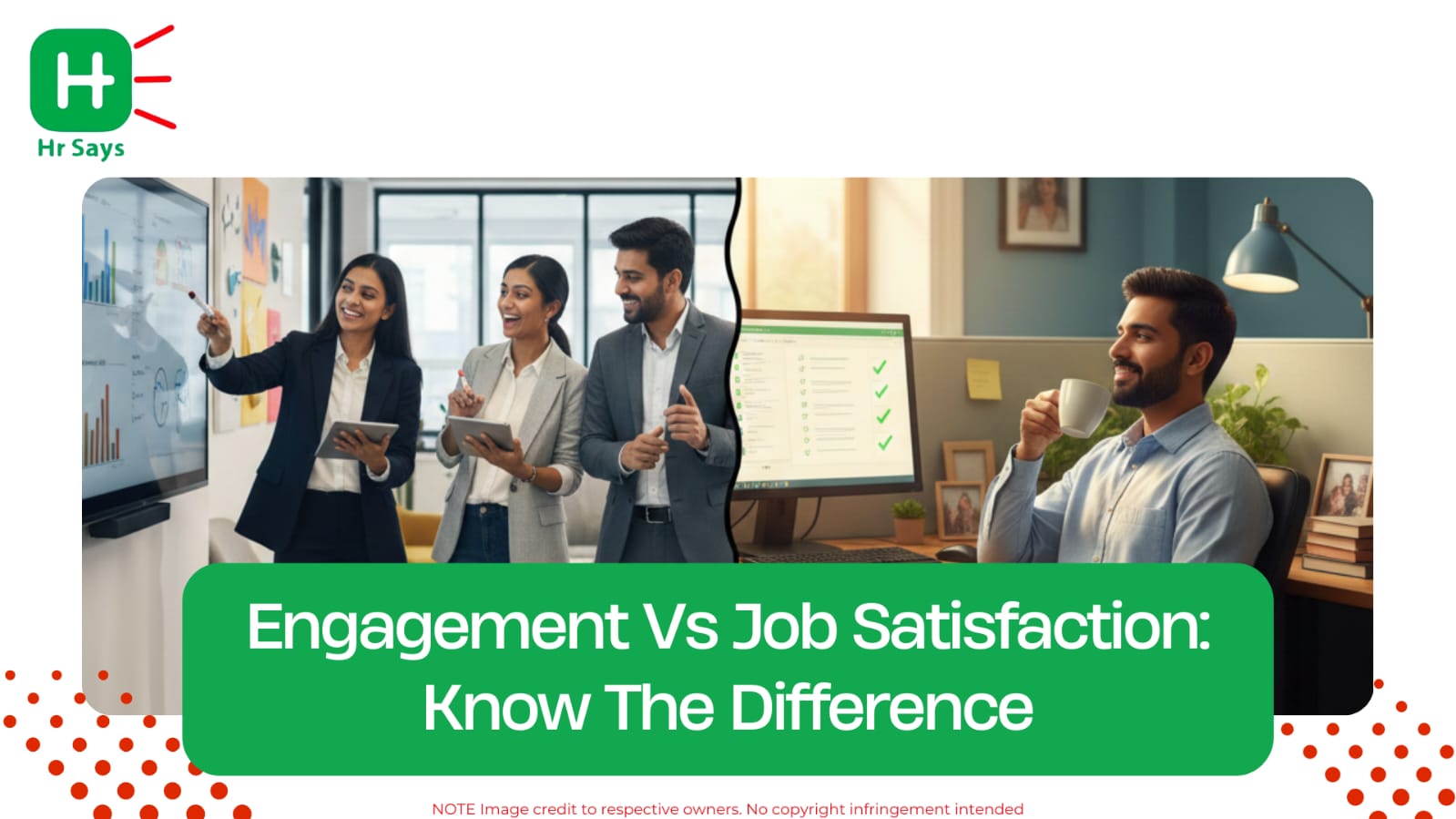
Engagement Vs Job Satisfaction: Know The Difference

Job satisfaction reflects comfort and stability, while employee engagement reflects emotional connection and involvement. Understanding the difference helps organizations balance retention, motivation, and performance in ...
Feb 10

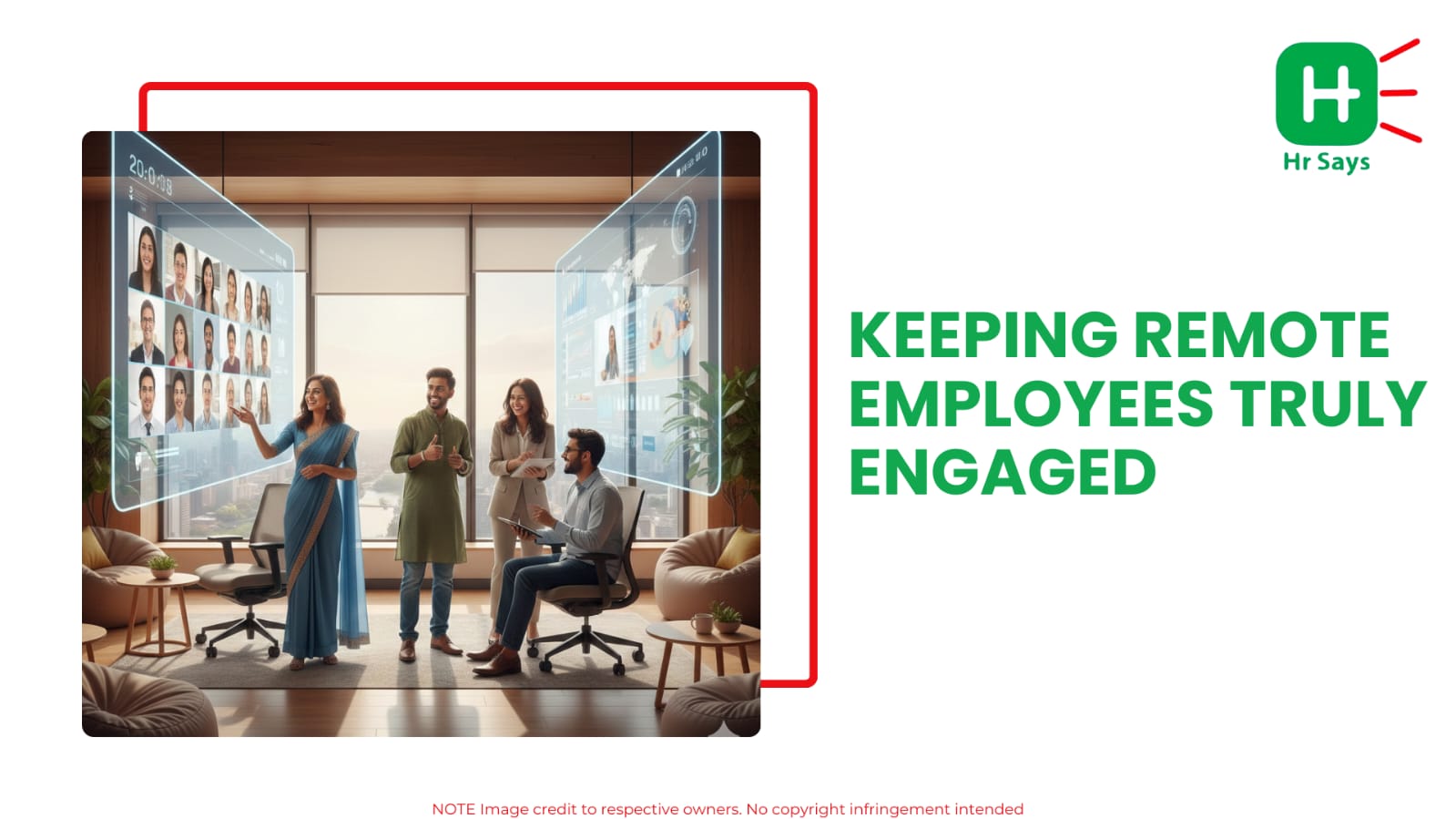
Keeping Remote Employees Truly Engaged

Remote employee engagement depends on intentional communication, trust based management, and meaningful recognition. When clarity and human connection are prioritised, distributed teams remain motivated, aligned, ...
Feb 10

Why Traditional Engagement Surveys Are Failing

Traditional engagement surveys are losing effectiveness due to outdated timing, low trust, and lack of context. As work continues to evolve, engagement measurement must shift ...
Feb 10

Gamification at Work: Fun or Forced?

Gamification at work blends game mechanics with daily tasks to boost engagement and productivity. Its success depends on thoughtful design, employee choice, and alignment with ...
Feb 10

The Four-Day Workweek Debate: Productivity or Myth?

The four-day workweek continues to be debated as productivity, balance, and burnout reshape modern work. Its success depends less on reduced days and more ...
Feb 06

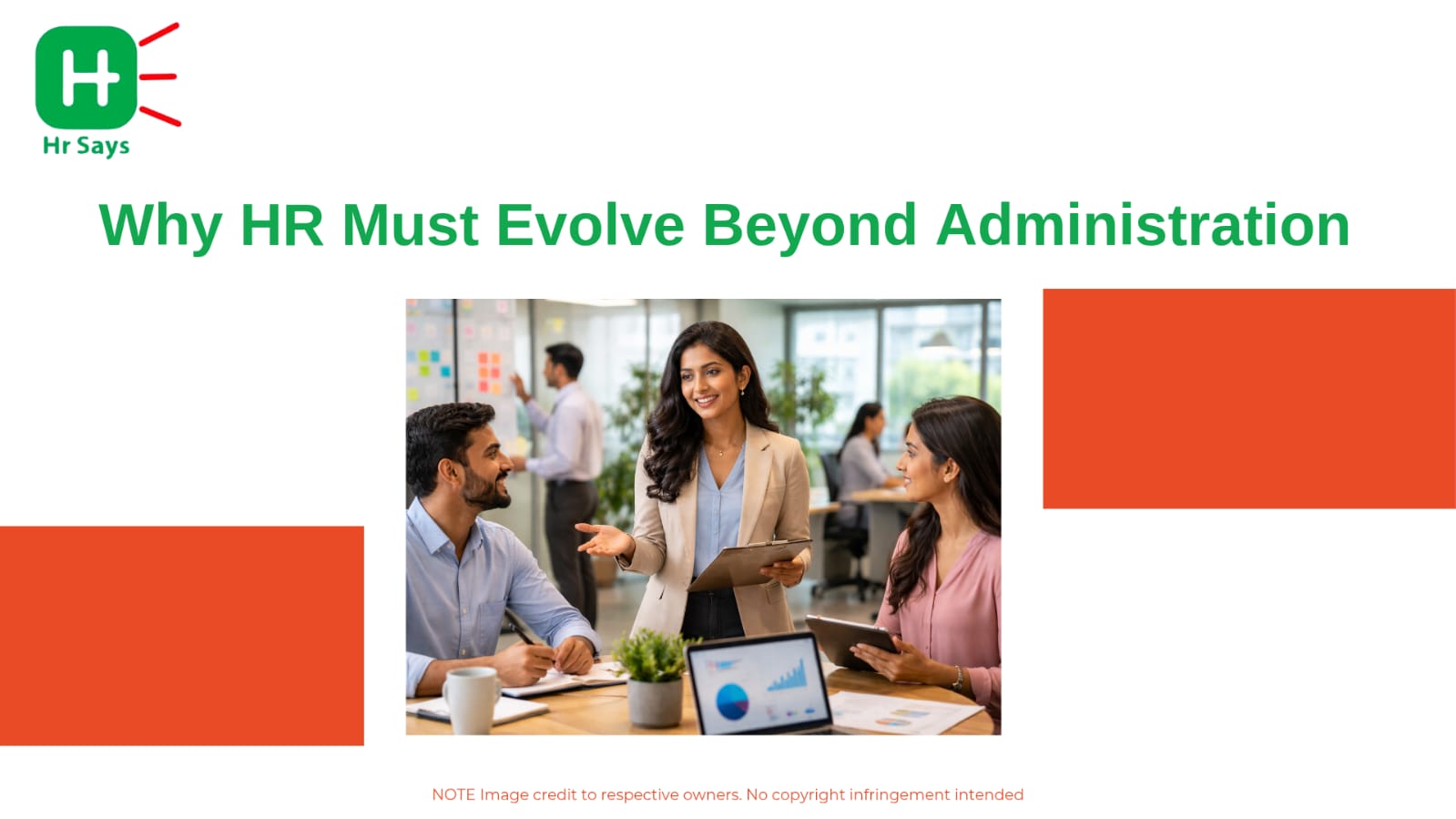
Why HR Must Evolve Beyond Administration

HR must move beyond administration to remain relevant. Strategic involvement, employee experience design, data driven decisions, and culture building are reshaping HR into a function ...
Jan 30

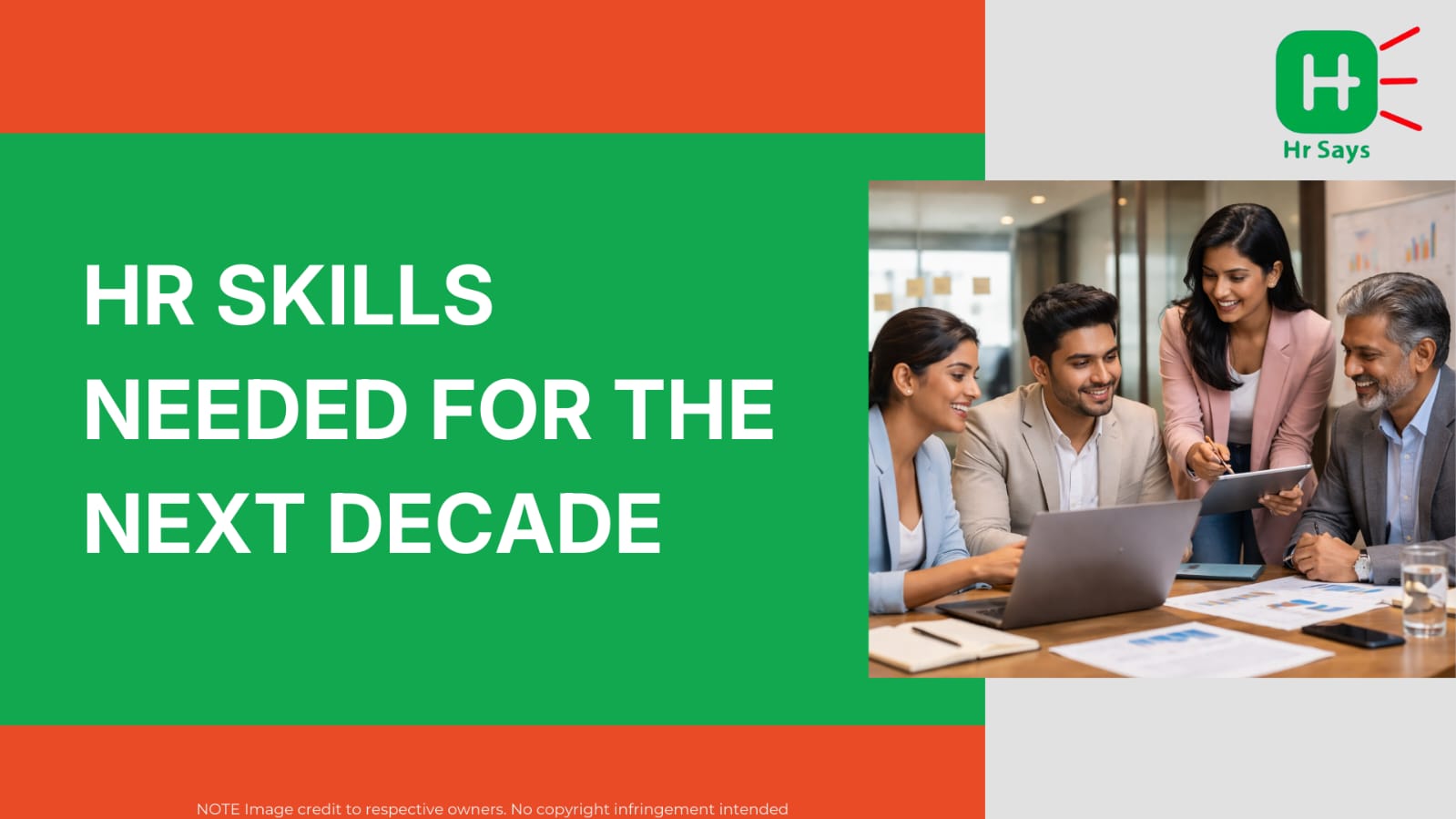
HR Skills Needed For The Next Decade

HR in the next decade will be defined by strategic thinking, digital fluency, emotional intelligence, and ethical leadership. This shift positions HR as a core ...
Jan 30

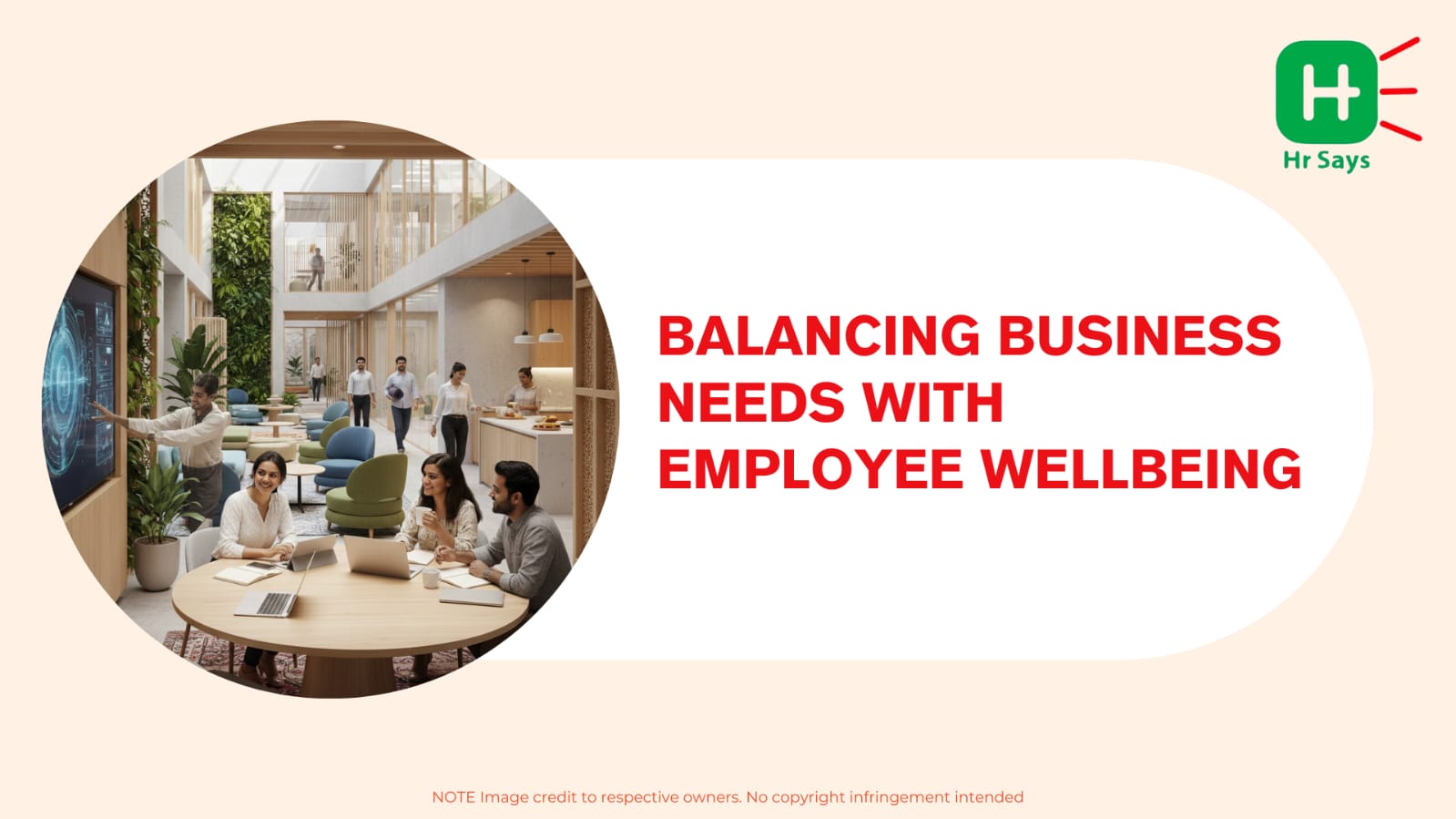
Balancing Business Needs With Employee Wellbeing

Balancing business needs with employee wellbeing requires structure, empathy, and realistic expectations. Sustainable productivity is supported through thoughtful leadership, psychological safety, and smarter workload design ...
Jan 22

What Makes Employees Silently Disengage

Silent disengagement develops through overlooked effort, unclear leadership, and emotional fatigue. This blog explores how purpose fades, burnout hides, and quiet quitting emerges, offering practical ...
Jan 17

Culture Audits: What HR Really Observes

Culture audits focus on observed behavior rather than stated values. By examining leadership actions, communication patterns, systems, and employee energy, HR gains a clearer understanding ...
Jan 16

How HR Handles Cultural Misalignment

Cultural misalignment affects engagement, trust, and retention. This blog explains how HR identifies early signals, addresses root causes, and uses structured people practices to realign ...
Jan 16

Why Retention Is More Than Compensation

Retention extends beyond compensation into culture, growth, trust, and flexibility. While pay attracts talent, long-term commitment is shaped by daily experience. Employees stay where ...
Jan 16

Toxic Behaviours HR Teams Quietly Manage

Subtle toxic behaviours often shape workplace culture more than policy breaches. This blog explores the quiet patterns HR teams manage daily, why they persist, and ...
Jan 15

Managing Underperformance Without Fear Culture

Underperformance can be managed without fear by focusing on clarity, feedback culture, and psychological safety. When accountability is paired with support, performance improves naturally, trust ...
Jan 12

Why Performance Management Fails In Many Organisations

Performance management often fails due to misaligned goals, outdated feedback cycles, and overreliance on ratings. When systems lack flexibility, manager capability, and employee ownership, performance ...
Jan 09

Managing Emotional Situations At Work

Managing emotional situations at work requires awareness, restraint, and practical strategies. When emotions are handled thoughtfully, communication improves, relationships strengthen, and long term professional growth ...
Jan 07

Handling Difficult Employee Conversations Professionally

Difficult employee conversations are inevitable in professional settings. This blog explores how preparation, neutral communication, and emotional awareness can help managers handle challenging discussions respectfully ...
Jan 05

25 Matching result(s) found!