Thursday, October 01, 2026
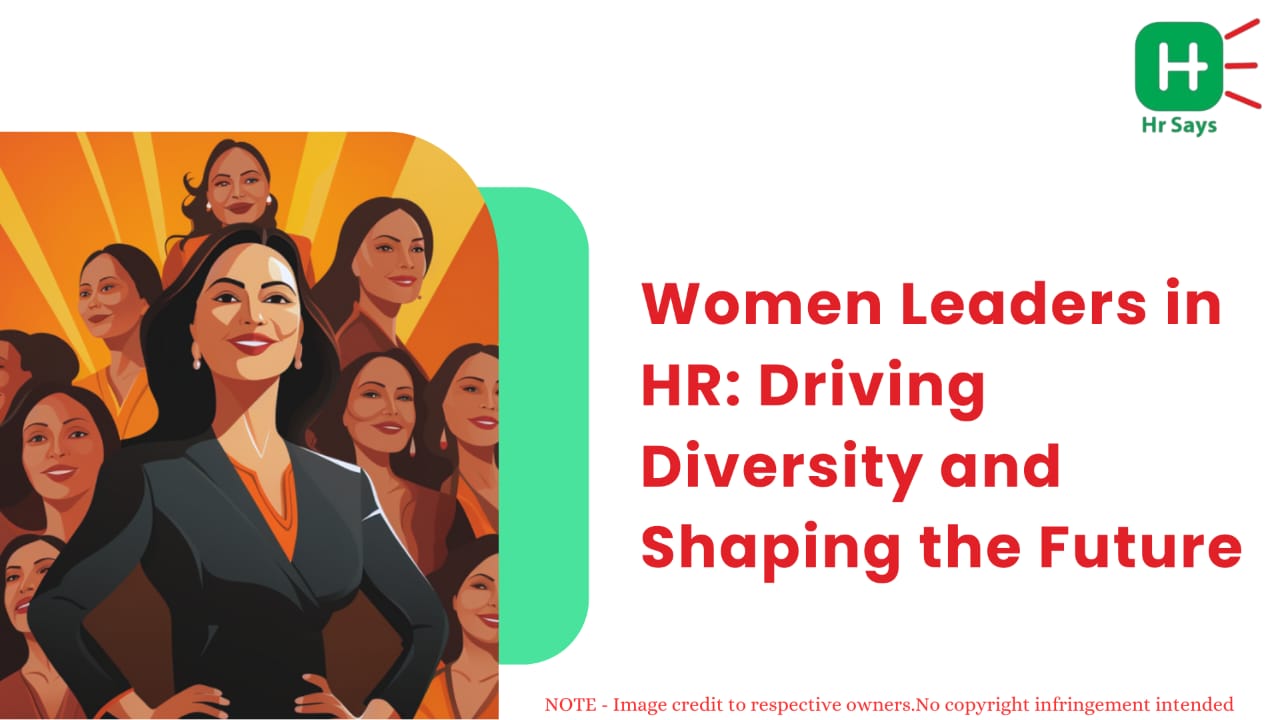
 Women leaders in HR India are redefining diversity and inclusion agendas. By shaping policies, driving engagement, and influencing HR tech trends in India 2025, they are creating workplaces that balance performance with inclusivity. Their leadership sets the tone for future growth.




Have you observed how discussions on diversity and inclusion in Indian workplaces no longer appear under the policy documents? To a great extent, this change has been driven by women HR leaders who are establishing new agendas and shaping the organizational approaches to people and culture.
Women Leaders in HR India: Breaking the Mold
While women in the Indian HR are doing more than hire and retain, they are also leading the strategic dialogue on inclusivity. Their leadership is renovating work practices based on ensuring everyone has a voice, regardless of their background. This change is no longer an option but something that its employees and stakeholders expect it to undertake.
They do not just act as administrators. Taking control of cultural narratives, women HR professionals are contributing to building the HR career transition, offering the role of recruiter to the role of CHRO. It represents perseverance and flexibility as well as how to cope with the dynamics of the complex workforce in different sectors.
Diversity and Inclusion in Indian Workplaces: A Real Agenda
When diversity and inclusion in Indian workplaces are spoken of, it is often tied to compliance. Women leaders are changing that narrative. They are ensuring these topics are not just checkboxes but lived experiences within organizations.
Some of the ways they influence diversity agendas include:
● Building employee engagement strategies for Indian companies that reflect inclusive practices
● Addressing mental health and HR role in India with sensitivity and awareness
● Leading hybrid work trends in India that cater to varied employee needs
● Creating mentorship opportunities to support career growth for HR professionals across levels
Career Growth for HR Professionals Through Inclusive Leadership
An interesting outcome of this shift is how inclusive leadership itself becomes a driver of growth. HR professionals who align themselves with diversity-focused strategies find faster career growth. Women HR leaders often serve as role models, showing how to become a CHRO in India by blending empathy with data-driven decisions.
Upskilling and reskilling also form a part of this growth story. The HR role in upskilling and reskilling employees is being strengthened by leaders who understand that inclusive opportunities lead to stronger organizational performance.
HR Tech Trends in India 2025 and the Female Lens
Technology plays a silent yet crucial role in advancing diversity goals. HR tech trends in India 2025 are making it easier to measure employee sentiment, track progress in diversity initiatives, and reduce bias in hiring. Women leaders bring a perspective that balances tech-driven efficiency with human sensitivity.
The role of AI in HR management, for instance, is often criticized for amplifying existing biases. With women HR professionals at the forefront, organizations are more mindful of building checks to ensure fairness. HR analytics and data-driven decision-making are also being shaped through this balanced approach.
Conclusion
The story of women in HR shaping diversity is still unfolding, but one truth is clear. By combining leadership skills with empathy, these professionals are building workplaces that are not only productive but also inclusive. Their presence is quietly but firmly changing what the future of HR in India will look like.