Sunday, October 04, 2026
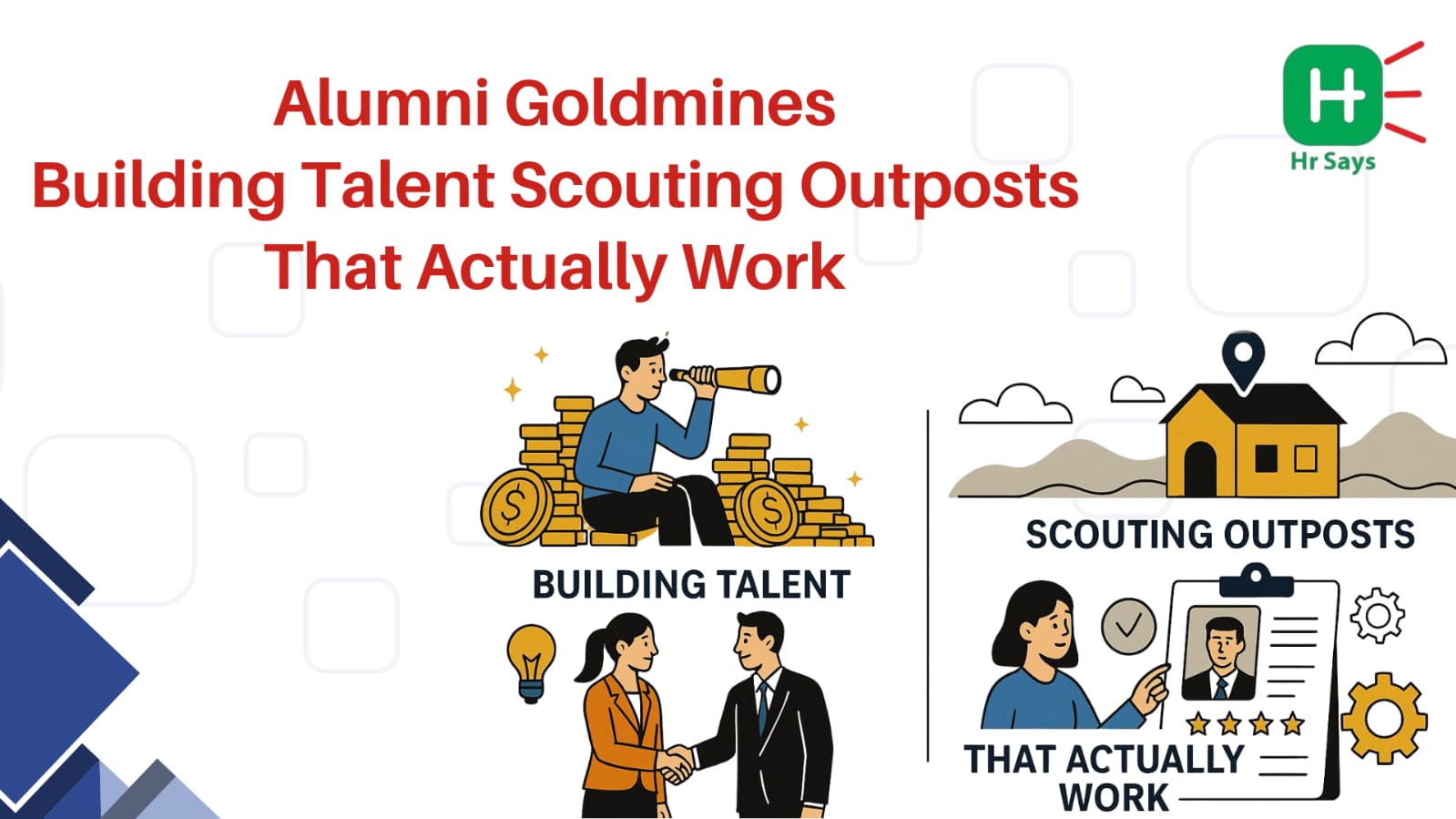
 The alumni networks are usually underutilized in terms of hiring. But what if they could be your next secret weapon for spotting great talent—before anyone else does?




Why do most companies only look outside when the gold is often buried within? Alumni groups, scattered across industries and roles, could become scouting hubs—if only we treated them that way. Here's how to turn passive alumni communities into active talent pipelines.
The Missed Potential of Alumni Networks
Most alumni networks are seen as social spaces. A place to share updates, job changes, or maybe old photos from college days. But under that surface is a quiet goldmine. People with shared values. People who know your institution. People who trust each other.
Too often, though:
● They aren’t engaged.
● There’s no structure.
● No one’s looking at them with a hiring lens.
And so the potential fades into background noise.
Why Alumni Make Ideal Talent Scouts
Alumni don’t just bring credibility—they bring context. They’ve been through the same system, know what fits, and who won’t. This makes them reliable first filters.
A Shared Foundation
● Same learning environment
● Similar value systems
● Pre-established trust
These aren’t just perks. They’re what make referrals feel organic, not forced.
Passive Yet Present
Not all alumni seek a job. However, they may consider that they know a person who is. Or they might consider the right opportunity if it comes from a familiar face.
How to Create Talent Scouting Outposts
Turning alumni circles into scouting hubs isn’t complex. But it does require intent.
Appoint Talent Ambassadors
Each alumni cluster should have a known point of contact. Someone who can:
● Keep an ear out for good fits
● Share updates from your organization
● Act as the bridge between the company and the community
This shouldn’t feel like a full-time job. More like a role of trust and informal influence.
Share Smart, Not Loud
Spam doesn’t work. But curated, relevant updates do. Think:
● New roles aligned with alumni skillsets
● Stories of other alumni who joined recently
● Growth updates from the company
Do not make it corporate.
Create Incentive Without Pressure
Offer recognition. Small perks. Even internal shoutouts. But don’t force it. Alumni-driven
scouting works best when it feels natural.
Tips to Keep the Outposts Alive
Starting is easy. Sustaining is harder. Here’s how to keep the outposts breathing:
● Rotate ambassadors every year to keep things fresh
● Celebrate successful referrals publicly
● Host casual virtual check-ins every few months
● Allow alumni to nominate others for scouting roles
When the effort feels owned by the group—not imposed from above—it thrives.
A Two-Way Street, Not a Strategy
This isn’t about using people. It’s about reconnecting with a forgotten source of insight. Alumni don’t just help you hire—they help you understand what the world thinks of your culture, your growth, your name.
Let them scout. But also, let them speak.
Conclusion
It is not necessary to waste alumni networks. They can become silent engines of talent with some organization and a fair deal of trust. Not loud. Not flashy. But powerfully so. And maybe that is what has caused their high prestige.