 Saturday, October 24, 2026
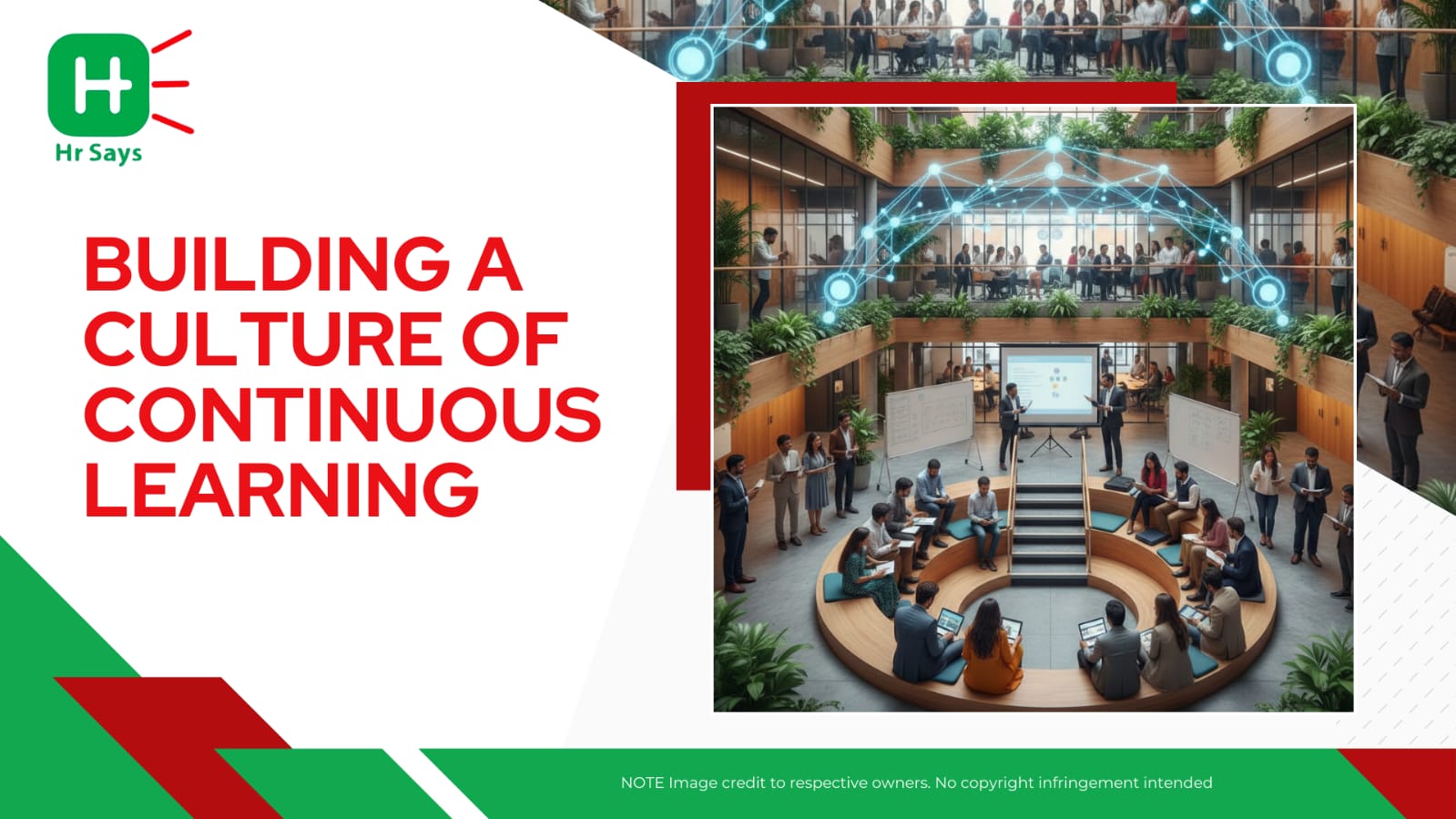
 A culture of continuous learning strengthens adaptability, employee engagement, and long-term growth. By embedding upskilling, leadership support, and technology-driven development into daily work, organizations can remain competitive and resilient in an evolving digital workplace.




The development does not occur spontaneously. It is commonly planned, upheld and reiterated. It is high time skills are becoming obsolete in the contemporary dynamic work environment. Now the culture of regular learning is not an option. It is silently taking the place of being backbone in sustainable growth, employee involvement and long term business sustainability.
Why Continuous Learning Is No Longer Optional
Digital transformation, AI in the workplace, remote working models, and changing trends in industries have reinvented the modern workplace and roles are being redefined. There are increased identifications of skill gaps. Workers are expected to change at a rapid rate.
The domain of building a learning culture is usually constructed not on the basis of impressing but of surviving.
When organizations invest in professional development and upskilling programs, several outcomes are usually observed:
● Higher employee retention
● Improved workplace productivity
● Stronger internal talent pipelines
● Increased innovation and collaboration
It has been noticed that companies prioritizing learning and development strategies are better prepared during uncertainty. Change is handled with less resistance. Adaptability becomes a shared habit rather than a forced reaction.
However, learning cannot be reduced to occasional training sessions. It must be embedded into daily workflows, leadership behavior, and performance conversations.
What A True Learning Culture Looks Like
A culture of continuous learning is not created through policies alone. It is shaped through consistent signals, systems, and support structures.
Learning Is Encouraged, Not Imposed
When curiosity is rewarded rather than judged, growth is naturally accelerated. Employees should be allowed to ask questions, test ideas, and make informed mistakes. Psychological safety must be protected.
Learning goals can be integrated into performance reviews. Internal workshops, online certification programs, and cross-functional projects can be encouraged. Digital learning platforms and microlearning modules are often used to make learning flexible and accessible.
Leadership Sets The Tone
Learning is usually mirrored from the top. When leaders actively participate in skill development initiatives, a powerful message is communicated. Growth is not limited to entry-level roles. It is expected at every level.
Managers can:
● Share insights from industry webinars
● Recommend relevant courses
● Schedule regular knowledge-sharing sessions
● Allocate time for structured learning
When learning time is officially recognized, it stops feeling like an extra burden.
Technology As An Enabler
Modern learning ecosystems are often powered by technology. Learning management systems, AI-driven skill assessments, and data analytics help track progress and personalize content.
Personalized learning paths can be created based on career goals and competency frameworks. This makes professional growth more intentional and measurable.
Still, technology alone does not build culture. Human support and mentorship are required. Conversations matter more than dashboards.
Practical Steps To Build Momentum
A learning culture is built gradually. It is reinforced through small, consistent actions.
The following steps are often found effective:
● Conduct regular skill gap analysis
● Align training programs with business objectives
● Recognize and reward knowledge sharing
● Provide access to industry certifications
● Encourage peer-to-peer mentoring
Learning should be connected to purpose. Employees must understand how their development contributes to organizational growth.
A simple but powerful practice is reflection. After every major project, lessons learned can be discussed openly. Insights are captured. Improvements are documented. Growth becomes visible.
Conclusion
A culture of continuous learning is rarely built overnight. It is shaped through intentional leadership, supportive systems, and consistent reinforcement. When learning becomes part of everyday work, organizations are strengthened quietly. Over time, adaptability becomes a natural identity rather than a strategic response.