Tuesday, September 22, 2026
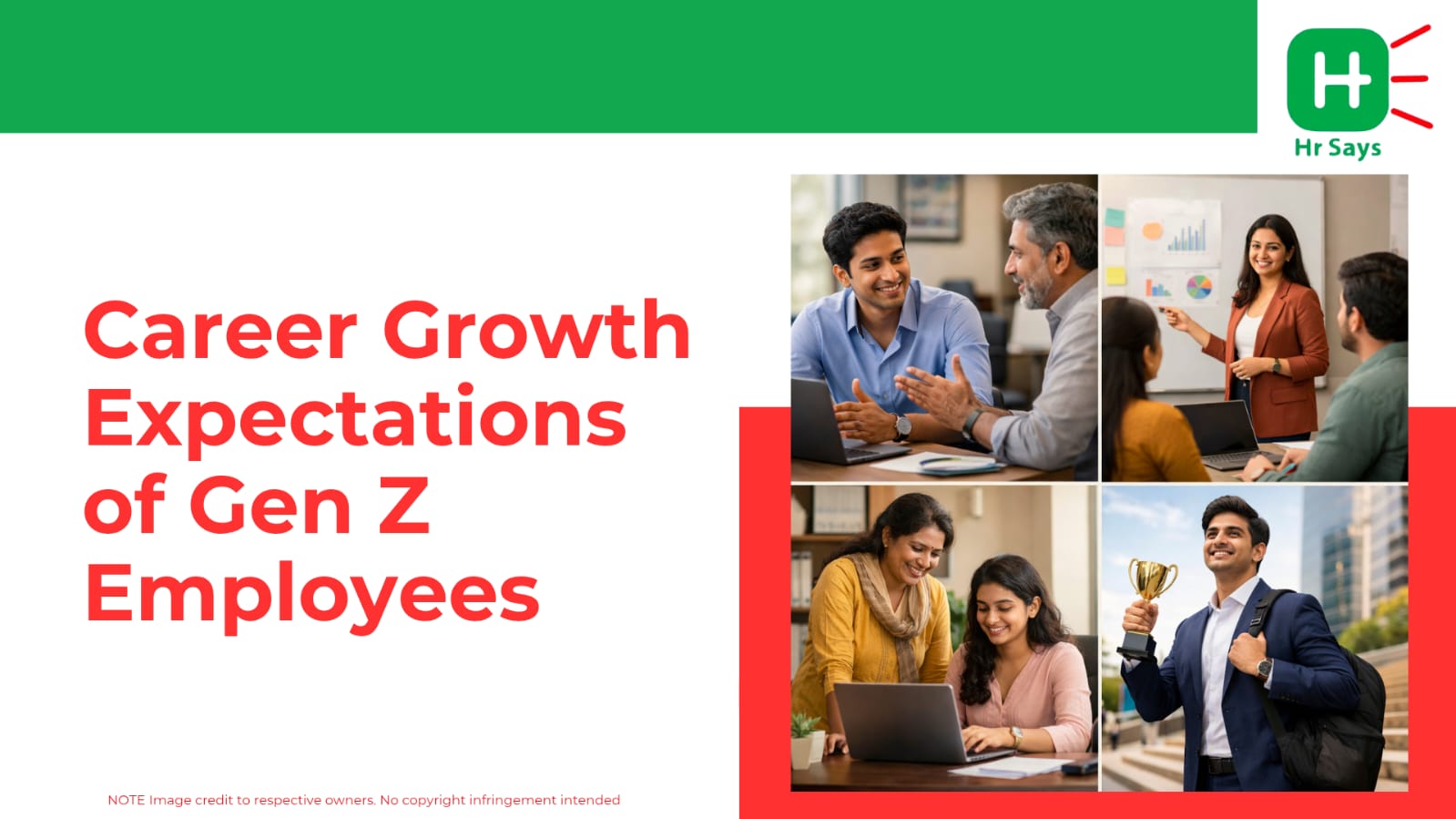
 Gen Z employees expect continuous learning, transparent career paths, flexible work environments, and meaningful roles. Organizations that recognize these priorities can improve employee retention, engagement, and long-term workplace productivity in an increasingly competitive talent landscape.




The contemporary generation has entered the workplace in a different frame of mind. The employees of Gen Z are not merely seeking employment. Flexibility, growth and meaningful work are frequently valued. Those organizations, which learn about these expectations, have higher chances to retain young professionals and develop future-ready teams.
Why Career Growth Matters More Than Ever For Gen Z
GenZ employees are changing the modern-day workplace by the fact that they have been raised in a fast-paced digital environment. They have never had difficulties in finding information, opportunities, and skills. Due to this, the career development has been viewed to be a journey rather than a straight line that moves at a slow pace.
Conventional approaches that took employees years to be promoted are being challenged. Increased speed of skill acquisition and the observable improvement are usually anticipated. Learning is not optional. It forms an imperative component of professional survival.
The workplaces that experience stalling growth will tend to experience a high turnover. Gen Z employees appreciate those organizations that promote employee growth and lifelong learning.
Continuous learning and skill development
Gen Zs career aspirations are based on upskilling and reskilling. Certifications and online courses as well as online learning platforms demonstrate that there is no end when it comes to learning.
Many Gen Z employees look for:
- Access to training programs
- Mentorship opportunities
- Cross-functional exposure
- Opportunities to build new technical and soft skills
In the case when these opportunities are not offered, a shift of jobs is regarded as quite an option.
Transparent growth paths
Poor career directions are demoralizing. Gen Z workers want to follow on roles that have a clear next step that can be accessed.
Transparency enables the employees to feel that their efforts are valued and are appreciated.
Organizations are increasingly expected to provide:
- Defined promotion structures
- Clear performance feedback
- Transparent evaluation systems
- Regular career conversations with managers
Transparency enables the employees to feel that their efforts are valued and are appreciated.
What Gen Z Employees Expect From Employers
Gen Z career progress does not only include promotions and salary increments. Professional development is generally preferred to be viewed in a broader perspective.
Culture at the workplace, leadership support and learning opportunities are usually considered as a unit. When employers are able to bring these factors together they will be able to attract younger talents.
These expectations are also influenced by a number of trends in the workplace.
Purpose-driven work
GenZ employees tend to seek jobs that are meaningful. Undertaking work that creates a social impact, sustainability or innovation is often appreciated.
The difference is that purpose-driven organizations tend to engage more since the employee will feel that there is an attachment to the mission.
Flexibility and work-life balance
Workplace flexibility is rarely seen as a perk anymore. It has become a core expectation.
Many Gen Z employees prefer:
- Hybrid work models
- Flexible schedules
- Remote collaboration tools
- Results-focused performance systems
This flexibility allows them to balance productivity, personal life, and continuous learning.
Recognition and feedback culture
Frequent feedback is valued more than annual reviews. Constructive guidance helps employees improve faster and feel acknowledged.
A healthy feedback culture usually includes:
- Regular one-on-one meetings
- Constructive performance insights
- Recognition of achievements
- Support for career planning
Such practices help maintain motivation and build stronger workplace relationships.
Conclusion
Career growth expectations among Gen Z employees reflect a shift in workplace priorities. Learning, flexibility, purpose, and transparency are being valued alongside financial rewards. Organizations that adapt to these expectations are more likely to build loyal teams and remain competitive in the evolving future of work.