Saturday, October 24, 2026
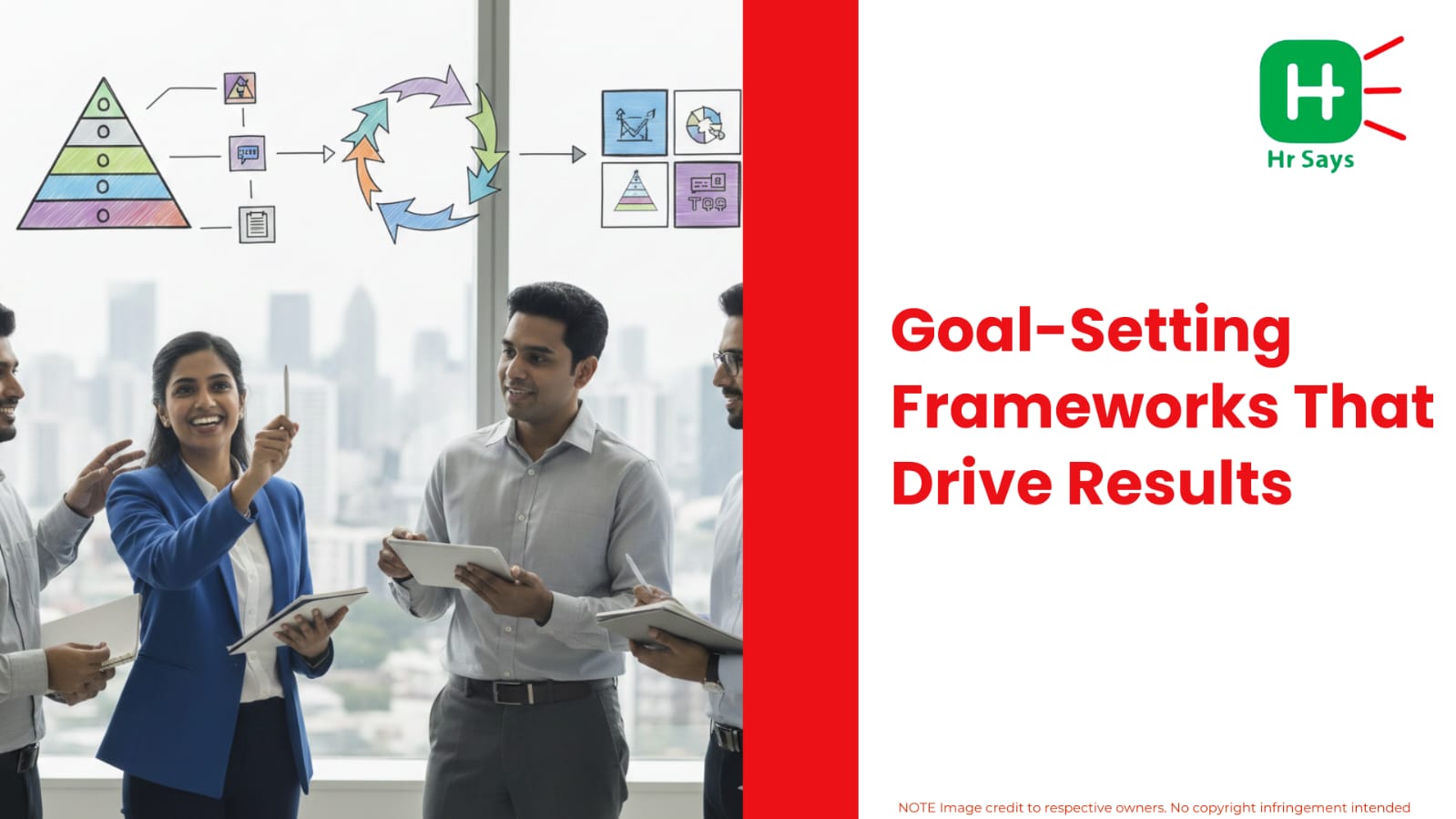
 Effective goal-setting frameworks transform intention into measurable progress. SMART goals provide clarity, OKRs create alignment, and 90-day planning builds focus. When structure, tracking, and reflection are combined, productivity improves and sustainable results are more likely to be achieved.




Clarity is something that one admires and hardly does anything about it. Goals are written, forgotten and rewritten once again. Time is hectic though achievements are far. Most professionals do not succeed because of ambition. It is structure. As long as the appropriate goal-setting frameworks are used, direction can be quantified, and execution can be regulated.
Why Most Goals Fail Despite Good Intentions
The energy is normally high at the start of a new quarter. Targets are announced. Vision boards are created. Productivity applications are downloaded. Yet momentum fades. It is a trend that can be witnessed in the group of corporate teams as well as individual creators.
Several reasons are commonly seen:
● Goals are defined vaguely.
● Outcomes are imagined but not quantified.
● Timelines are unrealistic.
● Progress is not reviewed consistently.
Without measurable goals, performance tracking becomes difficult. Without alignment, strategic planning loses focus. In many organizations, objectives are communicated but not translated into daily actions. As a result, accountability weakens.
It is often assumed that motivation alone drives success. In reality, systems drive behavior. A structured goal-setting process ensures that ambition is supported by planning, measurement, and reflection.
SMART Goals: Turning Intent Into Action
The SMART framework has remained popular in performance management and leadership development for decades. It is widely used in corporate goal setting and personal productivity strategies.
A goal becomes effective when it is:
● Specific
● Measurable
● Achievable
● Relevant
● Time-bound
Instead of saying growth should be improved, it is better stated that website traffic will be increased by 20 percent in three months through SEO optimization and content marketing strategies. Precision reduces confusion. Measurement creates accountability.
SMART goals are especially powerful in project management, digital marketing campaigns, and quarterly planning cycles. Clear benchmarks are set. Performance metrics are tracked. Adjustments are made based on data.
Clarity reduces hesitation. Results become visible.
OKRs: Aligning Vision With Execution
Objectives and Key Results, widely known as OKRs, are frequently adopted in startups and fast-scaling organizations. This framework was popularized by companies such as Google, where innovation needed to be balanced with measurable impact.
An objective defines what is to be achieved.
Key results define how success will be measured.
For example:
● Objective: Strengthen brand authority in the industry.
● Key Results:
○ Publish eight high-value thought leadership blogs.
○ Increase organic traffic by 30 percent.
○ Secure five industry backlinks.
The strength of OKRs lies in alignment. Teams are connected to organizational strategy. Transparency is encouraged. Progress is reviewed regularly.
Unlike traditional annual targets, OKRs are usually set quarterly. Agility is maintained. Continuous improvement is encouraged.
When properly implemented, strategic alignment becomes stronger and execution becomes sharper.
The 90-Day Goal Framework: Focus Over Overload
Long-term vision matters. However, long timelines often reduce urgency. The 90-day goal framework narrows focus into manageable cycles.
Instead of planning for an entire year, attention is given to one quarter. Three to five priority goals are selected. Weekly milestones are defined. Progress reviews are scheduled.
This approach supports:
● Better time management
● Clear productivity systems
● Stronger performance reviews
● Reduced burnout
Short cycles create psychological momentum. Wins are recognized sooner. Adjustments are made faster. Focus is protected from distraction.
In high-performance environments, quarterly planning has been shown to improve both engagement and measurable output.
Building A Framework That Works For You
No single framework guarantees success. What matters is consistency in execution and clarity in measurement. A structured goal-setting system should include:
● Clear objectives
● Defined metrics
● Regular progress tracking
● Scheduled reflection and adjustment
Digital tools such as project management software and KPI dashboards can support accountability. However, discipline must still be practiced.
Goals should not feel overwhelming. They should feel directional. When systems are strengthened, confidence grows.
When clarity is improved, results follow.