Saturday, October 24, 2026
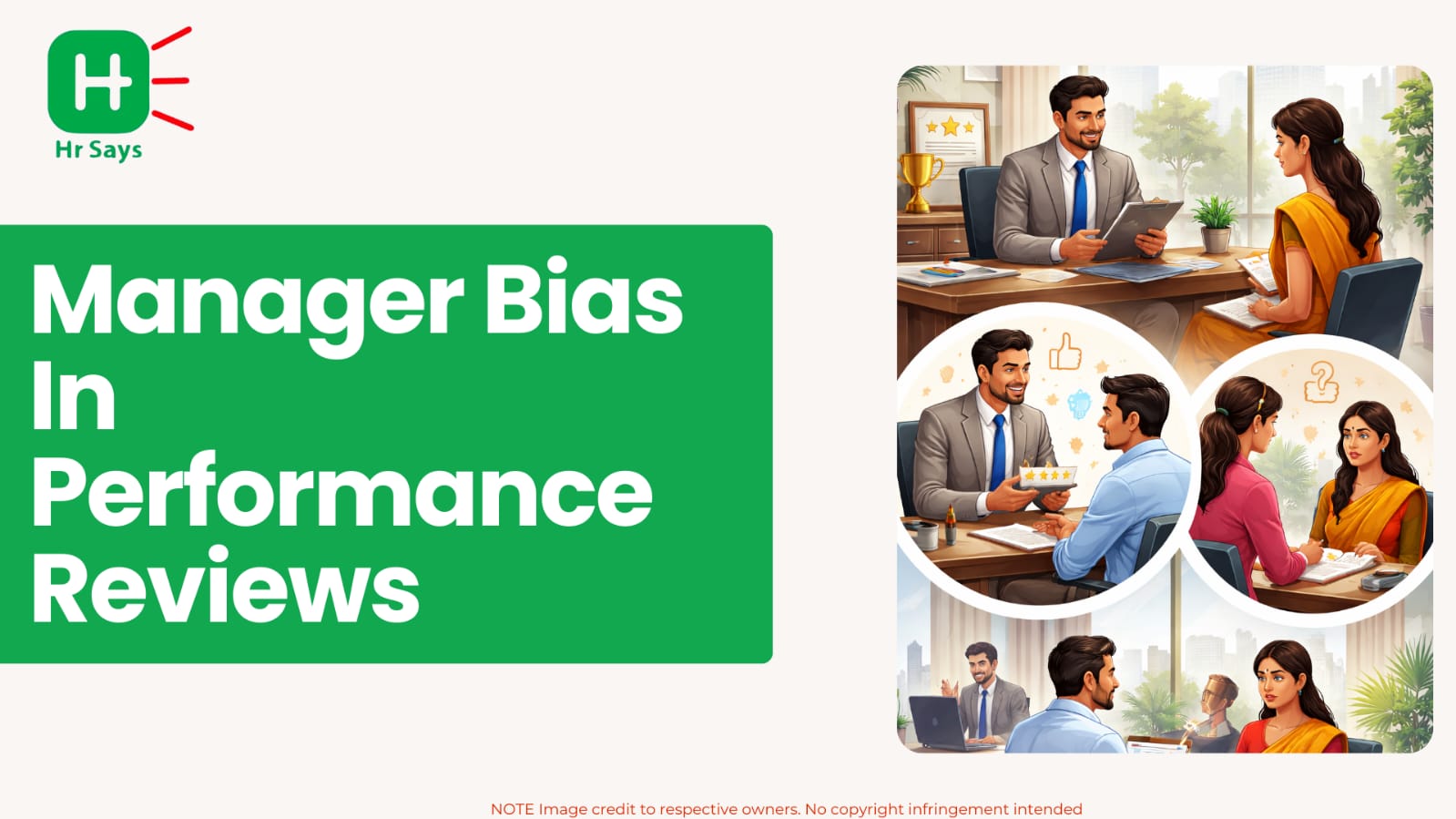
 Manager bias in performance reviews subtly influences ratings, promotions, and workplace culture. Through structured criteria, feedback systems, and bias awareness training, organizations can build fairer evaluation processes that strengthen trust, engagement, and long-term talent development.




Performance reviews have been said to be systematic, factual and equitable. However, there is a tacit that just influences results in most workplaces. A comment is softened. A rating is nudged upward. A silent actor is disregarded. It is unintentionally but it occurs. And careers are subject to it.
The topic of performance review bias in performance management by managers has been widely discussed in the HR community particularly due to the onset of remote working, hybrid team work, and AI performance management tools. Systems are being modernized but human judgment is still in centre stage. With judgment, bias has a way of creeping in.
Why Manager Bias Often Goes Unnoticed
Performance assessments are meant to gauge contribution, expertise as well as contribution. But these are carried out by people who have experiences, tastes, suppositions, and strains. Bias is rarely dramatic. It is subtle, and is usually unconscious.
Several patterns are frequently observed:
● Recency bias where recent mistakes overshadow consistent performance
● Halo effect where one strong trait influences overall rating
● Similarity bias where employees resembling the manager receive favorable assessments
● Gender or personality bias affecting how leadership traits are interpreted
In many organizations, feedback is expected to be constructive. Yet feedback may be filtered through personal comfort levels. Difficult conversations are sometimes avoided. High performers may not be stretched enough. Underperformers may not receive direct clarity.
When bias remains unaddressed, employee engagement and workplace culture are gradually affected. Trust in the performance management system weakens. Growth becomes inconsistent.
How Bias Shapes Workplace Culture
It is often believed that bias only affects individual ratings. In reality, its influence spreads across the team. When promotions appear uneven, psychological safety is reduced.
When outspoken employees are rewarded more visibly than thoughtful contributors, team dynamics shift. Employees begin adjusting behavior not for performance excellence, but for perception management.
In modern corporate environments where diversity, equity, and inclusion initiatives are prioritized, unbiased performance reviews are considered critical. Fair evaluation frameworks are now linked with retention strategies, leadership development, and talent management systems.
Bias also impacts:
● Career progression opportunities
● Compensation and bonus allocation
● Succession planning
● Employee morale
Over time, patterns of favoritism or inconsistency may be observed. Productivity is not always directly reduced, but motivation often is.
Practical Steps To Reduce Manager
Bias Bias cannot be eliminated completely. However, it can be managed systematically.
Structured Evaluation Criteria
Clear performance metrics should be defined in advance. When measurable goals are established, subjective judgment is reduced. Rating scales should be standardized across teams.
360-Degree Feedback
When peer reviews and cross-functional input are included, individual manager bias is diluted. Multiple perspectives create balanced insights.
Documentation Throughout The Year
Performance notes should be recorded consistently rather than remembered at year end. This reduces recency bias significantly.
Bias Awareness Training
Managers should be trained in unconscious bias recognition. Awareness alone does not solve the issue, but it increases accountability.
Data-Driven HR Analytics
Modern HR analytics tools and AI-powered performance management systems are increasingly being adopted. While technology cannot replace human judgment, it can highlight inconsistencies in ratings across departments.
When fairness is prioritized, transparency improves. And when transparency improves, trust grows.
Conclusion
Performance reviews are meant to guide growth, not distort it. Manager bias is rarely intentional, yet its impact can be significant. By structuring evaluations carefully and promoting awareness, organizations can ensure that talent is recognized accurately and fairly.