 Saturday, October 24, 2026
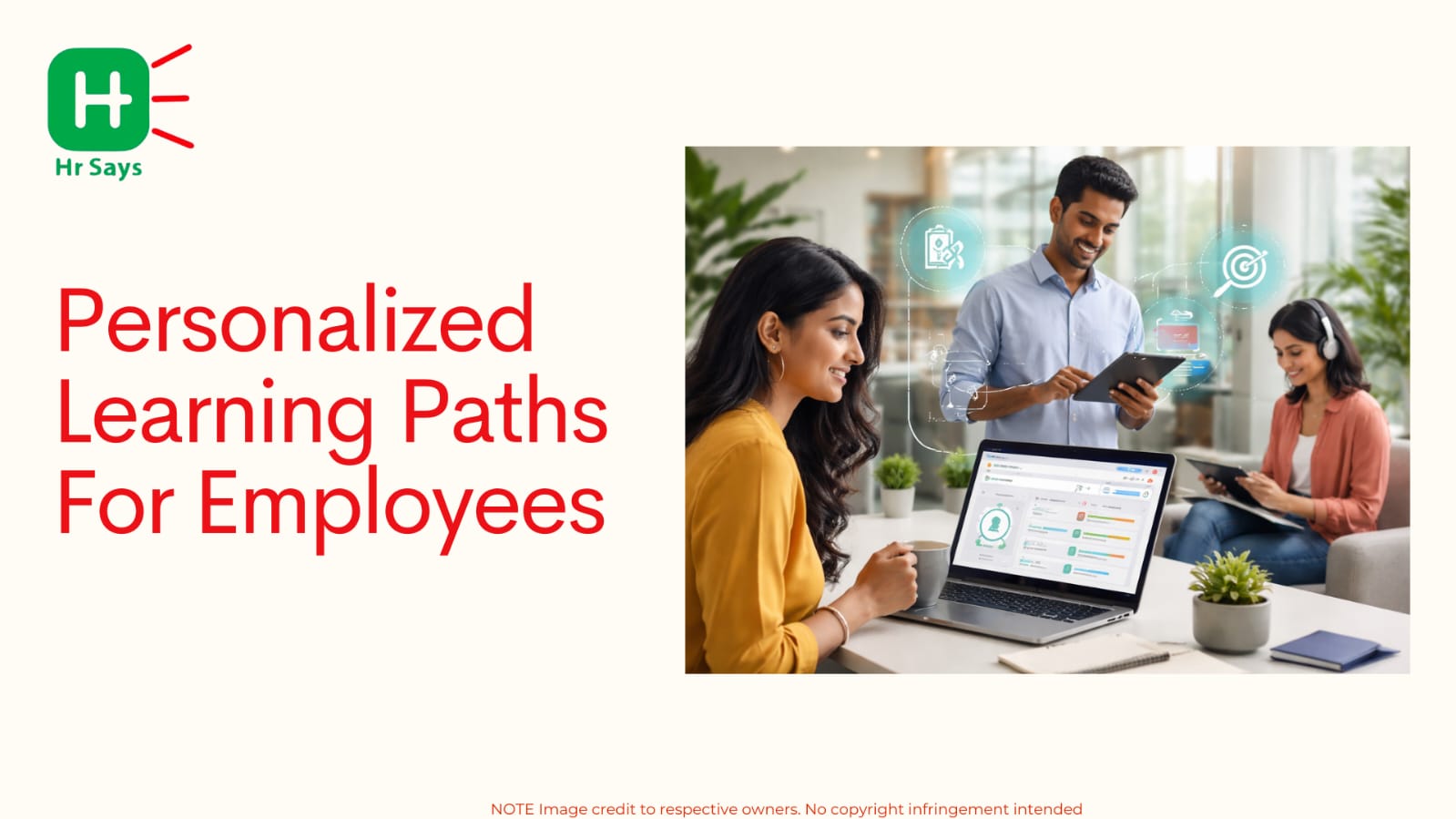
 Personalized learning paths help organizations align employee development with evolving business needs. By using skill gap analysis, role based training, and learning technology, structured and engaging development journeys can be created for sustainable workforce growth.




There is the transformations of workplaces posed by digital transformation, working remotely, and changing skill leave. Conventional training programs have been outmoded. Employees have the expectation of relevant and timely growth. The organizations are being challenged to reconfigure corporate training in individualized learning journeys at connecting business objectives and personal career advancement.
Why Personalized Learning Paths Are Becoming Essential
Training modules are given out in most organizations in the same way. The released figures of completion will appear okay, yet the actual development of skills is capped in most cases. It is, however, a consumptive and not an assimilative learning. In contemporary workforce planning, this gap has been a well known gap.
Personalized learning paths are designed to close that gap. Instead of offering generic courses, structured development journeys are created based on:
● Role requirements
● Skill gap analysis
● Performance reviews
● Career aspirations
● Learning preferences
When learning and development strategies are tailored, higher engagement is usually observed. Employees feel seen. Their time is respected. Their growth is mapped with clarity.
In the age of AI in HR and data driven decision making, skill tracking tools and learning management systems are being used to build adaptive learning experiences. Courses are recommended based on progress. Certifications are aligned with future roles. Upskilling and reskilling initiatives are structured, not scattered.
A culture of continuous learning is gradually built when development is not treated as a one time event. It becomes a journey. It becomes intentional.
How Organizations Can Design Effective Learning Journeys
A personalized approach does not mean complexity. It requires structure, clarity, and thoughtful execution. The following steps are commonly adopted in modern talent development frameworks.
Skill Gap Identification
Before learning paths are created, existing capabilities must be assessed. This can be done through:
● Performance evaluations
● Self assessments
● Manager feedback
● Competency mapping tools
Once gaps are identified, targeted training programs can be assigned. Learning becomes purposeful instead of overwhelming.
Role Based Learning Tracks
Different departments require different competencies. A marketing executive may need digital marketing skills and data analytics training. A team leader may require leadership development and communication workshops.
Role based learning tracks are therefore curated. Microlearning modules, online certifications, and blended learning formats are often combined. This flexibility supports remote workforce training and hybrid teams.
Integration With Career Development Plans
Learning is most effective when it is connected to growth opportunities. Personalized paths should be linked with:
● Promotion criteria
● Internal mobility programs
● Succession planning
● Leadership pipeline development
When employees understand how training impacts their future roles, motivation tends to increase. Learning is no longer perceived as an obligation. It becomes an investment.
Use Of Learning Technology
Modern learning management systems and AI powered learning platforms allow progress to be tracked in real time. Dashboards provide insights into course completion, assessment scores, and skill acquisition.
Data analytics in HR can be used to refine learning content continuously. If a module shows low engagement, it can be redesigned. If a skill becomes critical due to market shifts, it can be prioritized.
Common Challenges And Practical Solutions
Personalization may sound ideal, but implementation can be demanding. Limited budgets, time constraints, and resistance to change are frequently reported.
To address these challenges:
● Start with pilot programs in one department
● Use existing digital learning platforms before investing heavily
● Encourage manager involvement in development conversations
● Collect feedback and refine regularly
Consistency matters more than scale in the early stages. Gradual expansion is often more sustainable.
Conclusion
Personalized learning paths are no longer optional in modern workforce management. They are being recognized as strategic tools for employee engagement, talent retention, and future ready skill development. When learning is aligned with individual ambition and organizational goals, meaningful progress is more likely to be achieved.