 Saturday, October 24, 2026
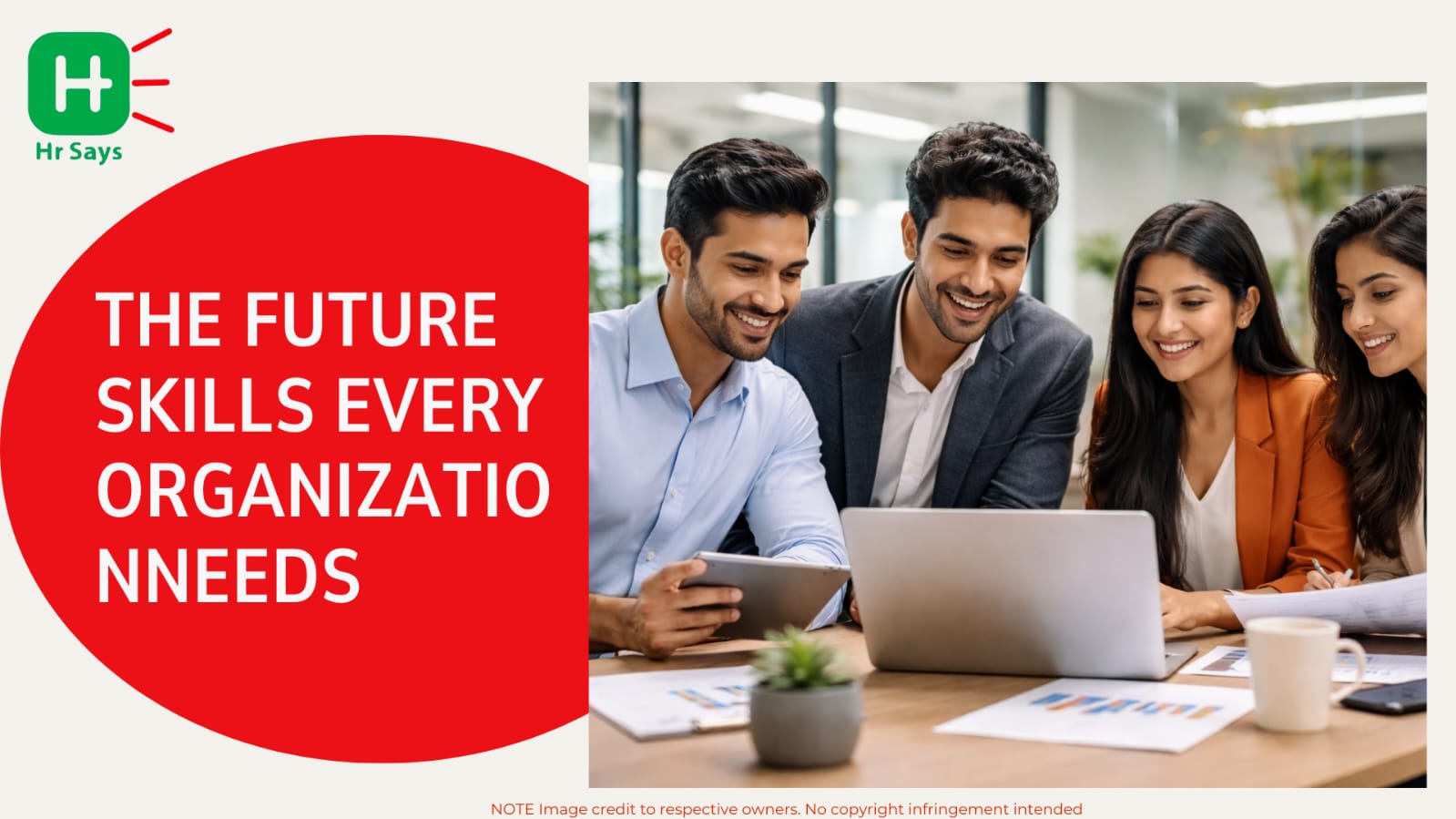
 Organizations are being transformed by digital innovation and changing workforce expectations. Digital fluency, emotional intelligence, adaptability, and continuous learning are emerging as essential future skills. Long term success will depend on balancing technology adoption with strong human capabilities.





Change is no longer proclaimed. It slips in silently with automation solutions, remote dashboard, artificial intelligence helpers, and moving employee requirements. Organizations are being transformed in the present. Whether change will occur or not is no longer a question, but whether the teams are ready to be changed.
Digital Fluency Is Becoming A Survival Skill
Digital transformation in industries has been boosted. Ethernoz, artificial intelligence, cloud computing, data analytics, and automation are being surrounded into day to day working processes. Technical teams are not the only ones who are supposed to slay them. There is now basic digital fluency that is required at the departmental level.
Automation of processes is being done. Dashboards are directing decisions. Data is being utilized to map customer journeys. In the event that the employees lack digital confidence, the progress is hindered.
Future ready organizations are investing in:
● Data literacy and data driven decision making
● Familiarity with AI tools and generative AI platforms
● Cybersecurity awareness and digital ethics
● Cloud collaboration and remote work technologies
Digital skills are not about coding alone. They are about understanding how technology shapes operations, marketing strategies, customer experience, and workforce management.
Upskilling programs are being redesigned. Microlearning modules are being adopted. Continuous learning culture is being prioritized over one time training sessions.
Those who adapt remain relevant. Those who resist are gradually left behind.
Human Skills Are Becoming More Valuable, Not Less
While automation handles repetitive tasks, human skills are being tested more than ever. Emotional intelligence, communication, and adaptability are quietly becoming competitive advantages.
In hybrid work environments, clarity is often lost. Miscommunication increases. Team morale fluctuates. In such spaces, strong interpersonal skills are required to hold teams together.
The following competencies are increasingly valued:
● Emotional intelligence and empathy
● Critical thinking and problem solving
● Cross functional collaboration
● Change management and resilience
● Leadership in uncertain environments
It is being observed that high performing teams are not defined only by technical expertise. They are defined by trust, psychological safety, and shared accountability.
Adaptability has become essential. Market disruptions occur frequently. Business models are adjusted. Strategies are rewritten. Employees who can unlearn and relearn quickly are being seen as long term assets.
Leadership styles are also evolving. Authority driven management is being replaced by coaching oriented leadership. Listening is being valued as much as directing.
Agility And Continuous Learning Will Define Growth
Skill gaps are widening. New roles are being created around AI governance, sustainability strategy, remote workforce management, and digital marketing automation. Traditional job descriptions are being rewritten.
Organizations that encourage continuous learning are staying competitive. Learning management systems are being integrated with performance metrics. Certifications in emerging technologies are being supported.
Agile thinking is not limited to software development anymore. It is being applied to marketing campaigns, HR policies, and product innovation cycles. Short feedback loops are being encouraged. Iteration is being normalized.
A growth mindset is being treated as infrastructure, not motivation.
Conclusion
The future of work will not be shaped by technology alone. It will be shaped by how people use it, question it, and improve it. Skills will evolve. Expectations will shift. Organizations that blend digital capability with human intelligence will remain stable in uncertain times.