 Saturday, October 24, 2026
.jpeg)
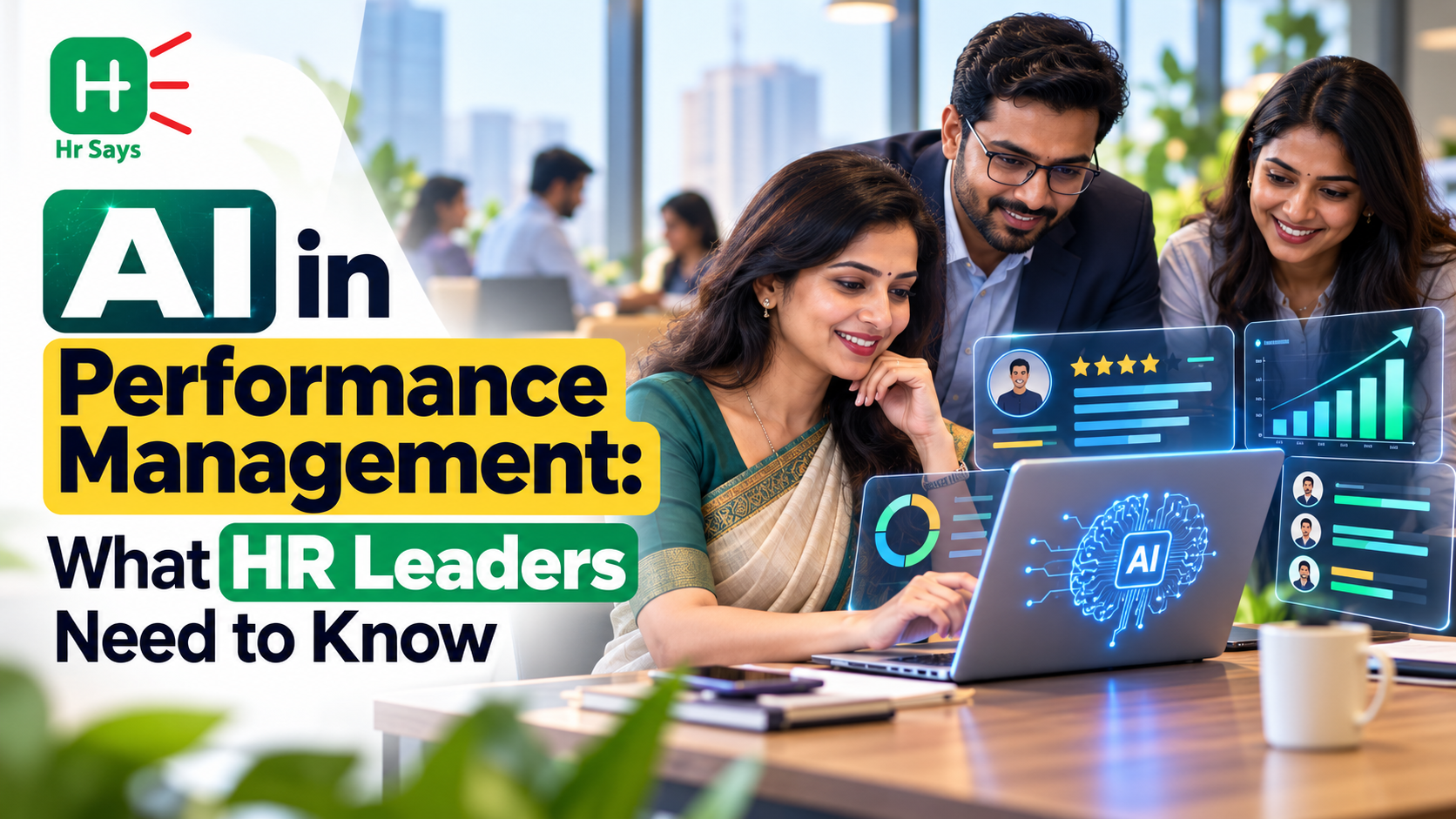
 AI is reshaping employee learning through adaptive platforms, predictive analytics, and personalized training paths. By aligning skills with business goals, organizations are fostering continuous learning cultures while improving engagement, retention, and workforce readiness in a data-driven environment.




The workplace is transforming silently yet at a fast pace. The learning platforms are replacing the training rooms. There is questioning of standard modules. Employees are at last no longer content with programs one size fits all. Relevance is what is now being demanded. This is where artificial intelligence is slowly transforming the learning and development of employees.
The Shift From Standard Training To Personalized Learning
In years past, corporate training programs were geared towards the average learner. All the workshops were conducted in the same way. There were all the same e-learning modules. The measure of progress was in the completion rates as opposed to actual development of the skill. This led to low engagement and low retention.
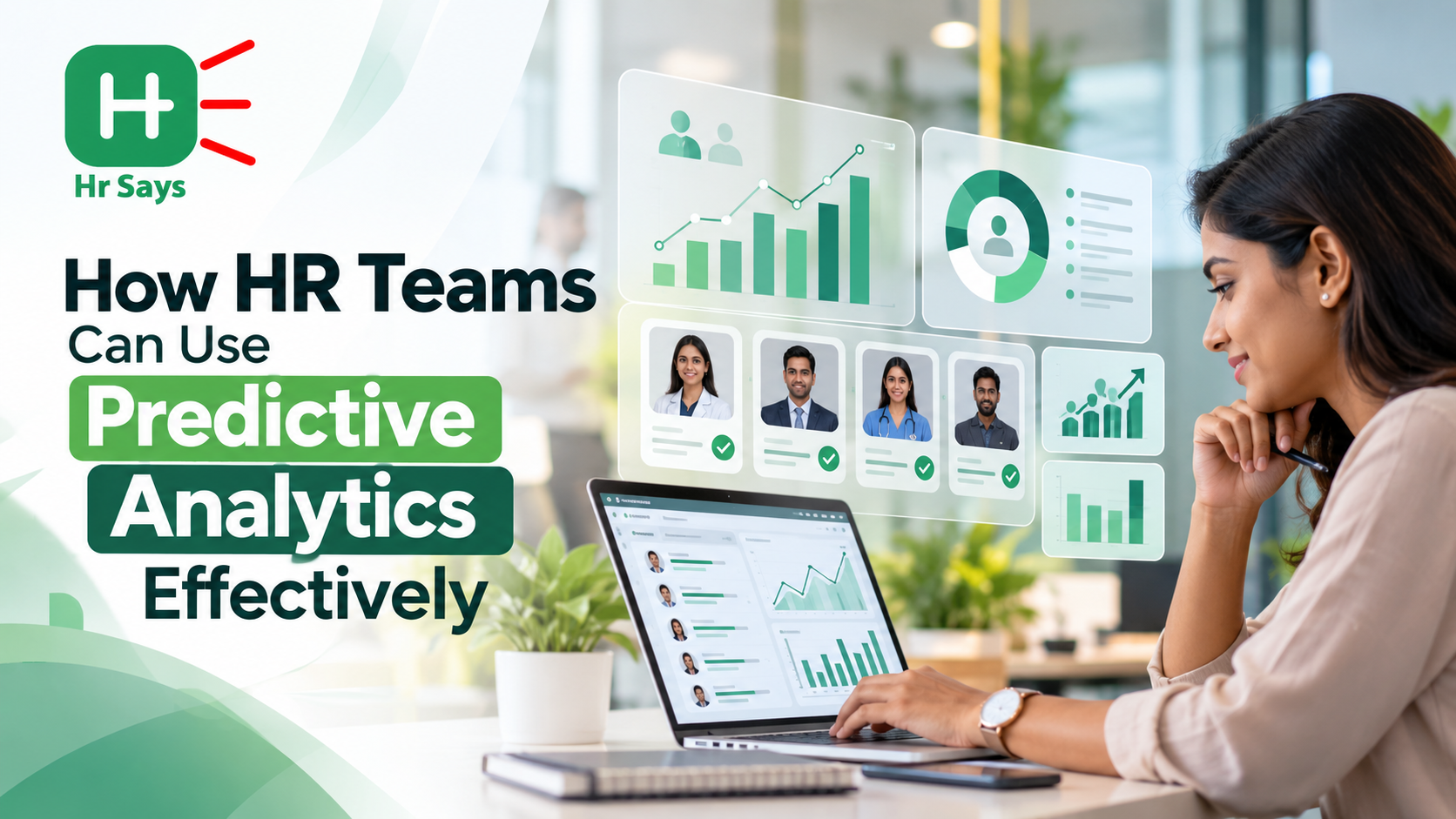
Today, expectations have evolved. Through AI-powered learning platforms, training content is being customized according to individual skill gaps, career goals, and performance data. Learning paths are automatically adjusted. Recommendations are generated based on past activity. Weak areas are identified through predictive analytics.
Instead of being overwhelmed with generic content, employees are now being guided toward relevant courses. In many organizations, machine learning algorithms are analyzing:
● Job roles and competency frameworks
● Previous training performance
● Real-time feedback data
● Behavioral patterns on learning management systems
As a result, learning and development strategies are becoming more data-driven. Microlearning modules are being suggested at the right time. Upskilling and reskilling initiatives are being aligned with business goals. This quiet shift is improving both employee engagement and training ROI.
How AI Adapts Learning To Individual Needs
Personalized employee training is not just about recommendations. It is about adaptive learning experiences. AI systems are designed to observe how an employee interacts with content. If a concept is mastered quickly, advanced material is introduced. If difficulties are detected, additional resources are provided.
This process is often powered by:
● Natural language processing for content analysis
● Learning analytics to track progress
● Skill mapping tools for competency assessment
● Generative AI for creating dynamic learning materials
For example, conversational AI chatbots are being used to answer questions instantly. Instead of waiting for instructor support, employees receive immediate clarification. Knowledge gaps are addressed in real time.
Learning is also being integrated into daily workflows. Through AI-driven learning platforms, suggestions are delivered within collaboration tools. This approach supports continuous learning culture rather than isolated training sessions.
Another important development is predictive workforce planning. AI systems analyze industry trends and internal performance metrics. Future skill requirements are forecasted. Training modules are then recommended before skill shortages occur. In competitive industries, this proactive approach is becoming essential.
At the same time, bias in learning recommendations is being monitored carefully. Ethical AI practices are being emphasized to ensure fairness and equal access to opportunities.
The Business Impact Of AI-Powered Learning
When learning becomes personalized, performance improvements are more likely to follow. Employees tend to feel supported rather than evaluated. Motivation increases when progress is visible and measurable.
Organizations are witnessing benefits such as:
● Higher course completion rates
● Improved employee retention
● Stronger talent development pipelines
● Faster digital transformation adoption
Human resource technology is being redefined through AI in HR processes. From onboarding to leadership development, tailored learning experiences are strengthening organizational agility.
Still, AI is not replacing human trainers. Instead, it is augmenting their capabilities. Mentorship, emotional intelligence, and strategic thinking remain deeply human functions. Technology supports scale. People provide meaning.
Conclusion
AI is quietly transforming employee learning from standardized instruction to personalized growth journeys. When data is used responsibly and thoughtfully, learning becomes relevant, timely, and aligned with both individual ambition and organizational strategy. The future of corporate training is no longer uniform. It is adaptive and intelligent.