Saturday, October 24, 2026
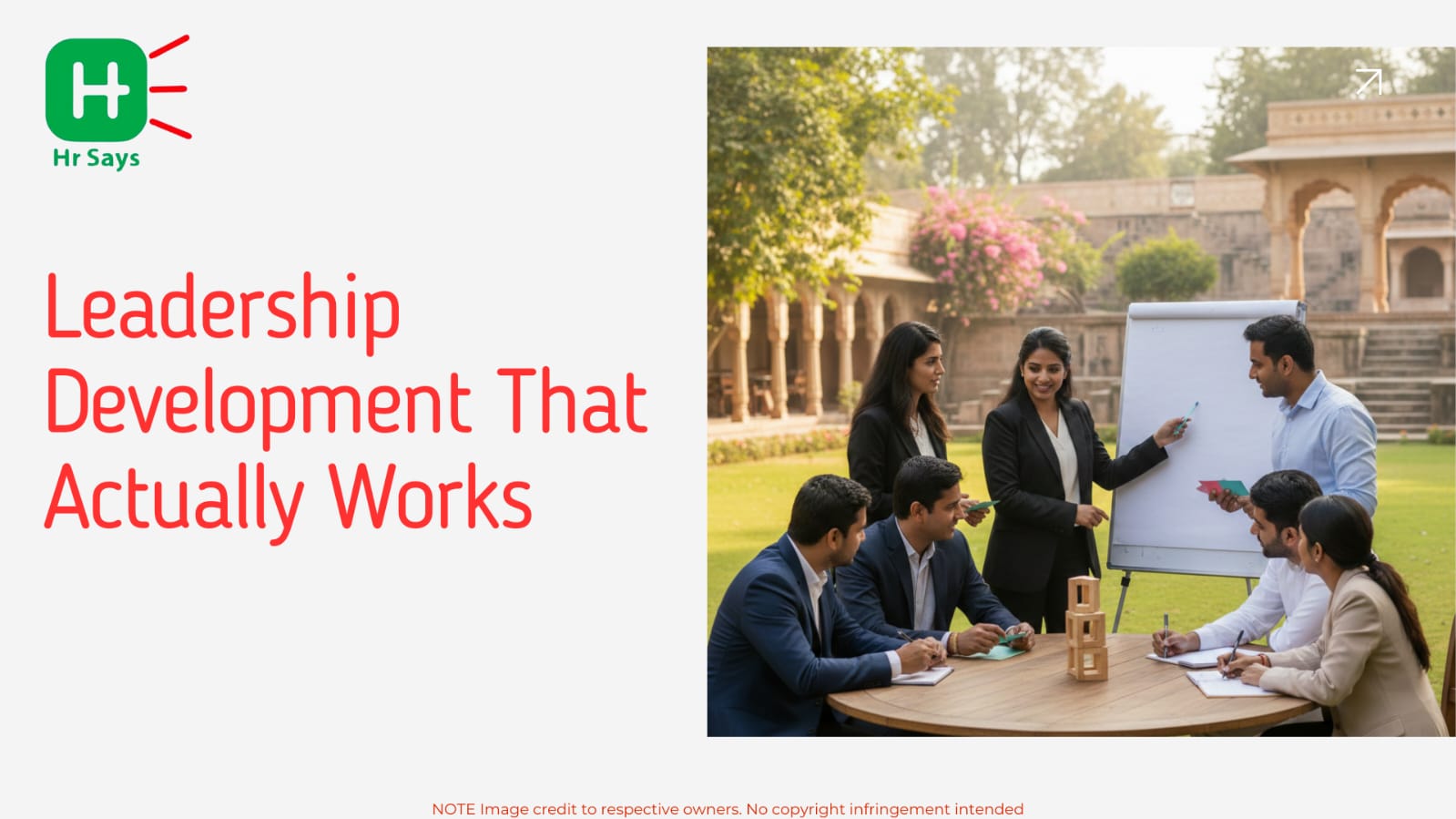
 Leadership development succeeds when it is continuous, measurable, and embedded in daily
work. Emotional intelligence, coaching skills, and structured learning systems create sustainable growth. Real change is not delivered through workshops alone but through consistent behavioral reinforcement.
Leadership development succeeds when it is continuous, measurable, and embedded in daily
work. Emotional intelligence, coaching skills, and structured learning systems create sustainable growth. Real change is not delivered through workshops alone but through consistent behavioral reinforcement.




People talk a lot about strong leadership, but not many want to be trained in a way to have it. Real change is scarcely experienced in many organisations where organizations invest in training programs, workshops and will be so through online modules. What works is not noise. It is transparency, order and sustenance throughout the time.
Why Traditional Leadership Training Fails
In many cases, the development of leadership programs is planned as a single event. A workshop is attended. Notes are taken. Forms of feedback are returned. Then again routine follows.
Training leadership cannot be done in a conference room. It is designed in day to day decisions, group discussions and uncertainties.
Most corporate leadership training fails because:
● Skills are discussed but not practiced.
● Feedback is collected but not applied.
● Accountability is expected but not structured.
● Emotional intelligence is mentioned but not developed.
Leadership competencies such as communication skills, strategic thinking, and people management are not built through slides. They are strengthened through repetition and reflection.
In many workplaces, performance metrics are prioritized over leadership mindset. Managers are promoted for technical expertise, not for their ability to coach or inspire. As a result, employee engagement declines, and workplace culture becomes transactional.
Real leadership development requires behavior change. And behavior change requires systems.
What Leadership Development Should Actually Focus On
Effective leadership training must be embedded into the flow of work. It should be aligned with business goals, performance management systems, and long term growth strategies.
Three areas deserve consistent attention.
Self Awareness and Emotional Intelligence
Self awareness is often underestimated. Yet it influences decision making, conflict resolution, and team trust.
Development can be strengthened through:
● 360 degree feedback
● Structured reflection exercises
● Coaching conversations
● Leadership assessments
When emotional intelligence is improved, workplace communication becomes clearer. Teams feel heard. Conflicts are addressed early rather than ignored.
Coaching Over Commanding
Modern leadership is shifting. Command and control models are being replaced by coaching leadership styles.
Leaders are expected to:
● Ask more questions than they answer.
● Provide developmental feedback.
● Support career growth planning.
● Encourage accountability without micromanaging.
This shift improves employee retention and supports succession planning. A coaching mindset builds stronger internal talent pipelines.
Continuous Learning Culture
Leadership development should not be isolated from organizational learning. It must be part of a continuous learning culture.
This can be encouraged through:
● Peer learning groups
● Mentorship programs
● Leadership workshops tied to real projects
● Digital learning platforms integrated into workflow
When learning is normalized, leadership growth becomes measurable. Progress can be tracked through leadership KPIs, employee satisfaction scores, and team performance metrics.
Building Leadership That Sustains
Leadership development that actually works is structured, measured, and reinforced. It is supported by senior leadership and integrated into talent development strategy.
Short term motivation fades. Systems remain.
When leaders are developed intentionally, workplace culture improves gradually. Decision making becomes thoughtful. Accountability becomes shared. Growth becomes sustainable.
Organizations that treat leadership as a continuous process rather than an event are often the ones that retain top talent and adapt successfully in changing markets.