Saturday, October 24, 2026
 Abstract Hybrid workplaces have transformed how learning is experienced. Informal knowledge sharing has reduced, and digital fatigue has increased. With structured mentorship, intentional communication, and blended learning strategies, continuous skill development can still be effectively sustained.




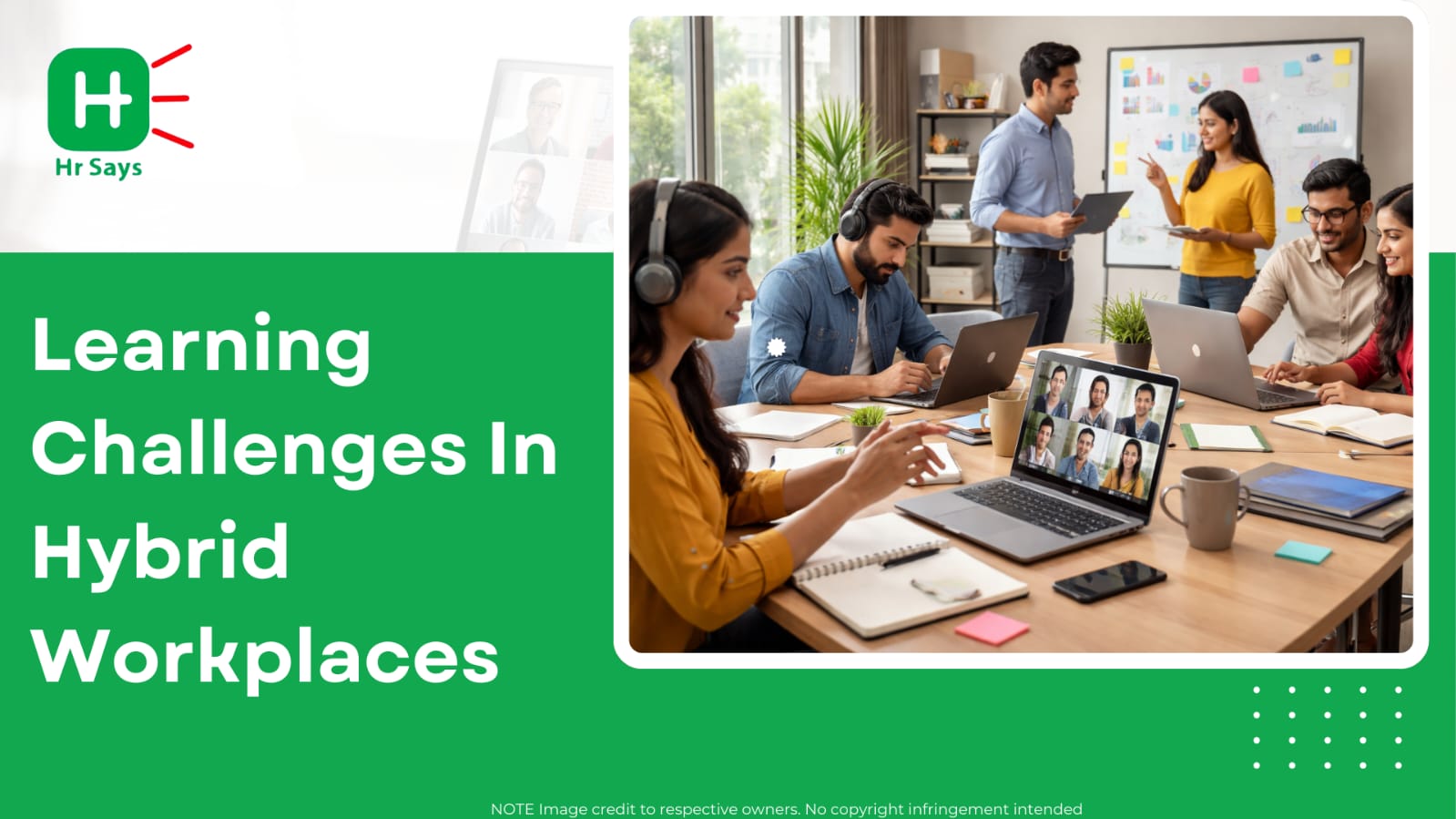
There has been a silent redefinition of the learning process by the concept of hybrid work. The division of teams is made between office and home systems. Meetings are also met in screens and conference rooms simultaneously. There is a value on flexibility, but it is establishing learning gaps. The skills are not acquired as naturally as it used to be. There is something that does not seem to be connected.
The Shift From Shared Spaces To Split Screens
Proximity had been used to absorb learning in the workplace. People were overheard in conversation. Questions were posed impromptu. Informally, guidance was provided. This has been broken in hybrid workplaces. Transfer of knowledge is now planned and not acquired. E-learning workshops are organized. Onboarding modules using digital platforms are given. Nevertheless, organic learning is minimized. Junior employees are usually not seen to struggle out due to limited exposure.
Several learning challenges are being observed:
● Reduced peer learning due to physical distance
● Fewer spontaneous mentoring moments
● Delayed feedback cycles
● Limited observational learning
In remote work environments, collaboration tools like Slack and Microsoft Teams are heavily relied upon. Yet written communication cannot fully replace tone, body language, or immediate clarification. Misunderstandings are sometimes carried longer than necessary.
For new hires, onboarding in hybrid workplaces can feel isolating. Company culture is described in presentations, but it is not always experienced. Confidence is built slower. Questions may remain unasked.
Digital learning platforms and Learning Management Systems are being implemented to bridge this gap. Still, engagement levels vary. Passive participation is common. Cameras are off. Multitasking is frequent. Learning becomes a task to complete rather than an experience to absorb.
Digital Fatigue And Attention Gaps
Another challenge has been digital fatigue. Employees spend long hours in virtual meetings. Training sessions are added to already packed calendars. Cognitive overload is quietly experienced.
Attention spans are affected when learning is screen based. Notifications pop up. Emails arrive. Background distractions interfere. Deep focus becomes difficult to maintain.
Hybrid workforce models also create unequal learning access. Those present in office settings may receive quicker clarifications. Informal brainstorming sessions may happen around them. Remote employees may feel slightly excluded from these micro learning moments.
Common issues include:
● Screen fatigue reducing retention
● Multitasking during online training
● Inconsistent access to real time support
● Reduced engagement in virtual workshops
Employee engagement strategies are often discussed in HR forums. Yet, engagement in learning requires intentional design. Microlearning, interactive workshops, and blended learning models are being recommended. Shorter modules with reflection time are found to improve retention.
Performance management systems must also align with continuous learning. Feedback loops should be structured clearly. Clear learning pathways and upskilling programs are expected by today’s workforce, especially in fast evolving digital transformation environments.
Building A Culture Of Continuous
Learning Learning challenges in hybrid workplaces are not unsolvable. They require structure and empathy. Intentional communication must be practiced. Mentorship programs can be formalized. Regular check ins should be scheduled with purpose.
A few practical approaches can help:
● Structured virtual mentoring sessions
● Clear documentation of processes
● Rotational in office collaboration days
● Short interactive learning modules
It should be understood that flexibility and learning must coexist. Psychological safety plays a strong role. Employees should feel comfortable asking questions, whether online or in person.
Hybrid work is not temporary. It is becoming a long term workforce strategy. Therefore, learning ecosystems must evolve with it. When systems are thoughtfully designed, growth will not be compromised.