 Sunday, September 20, 2026
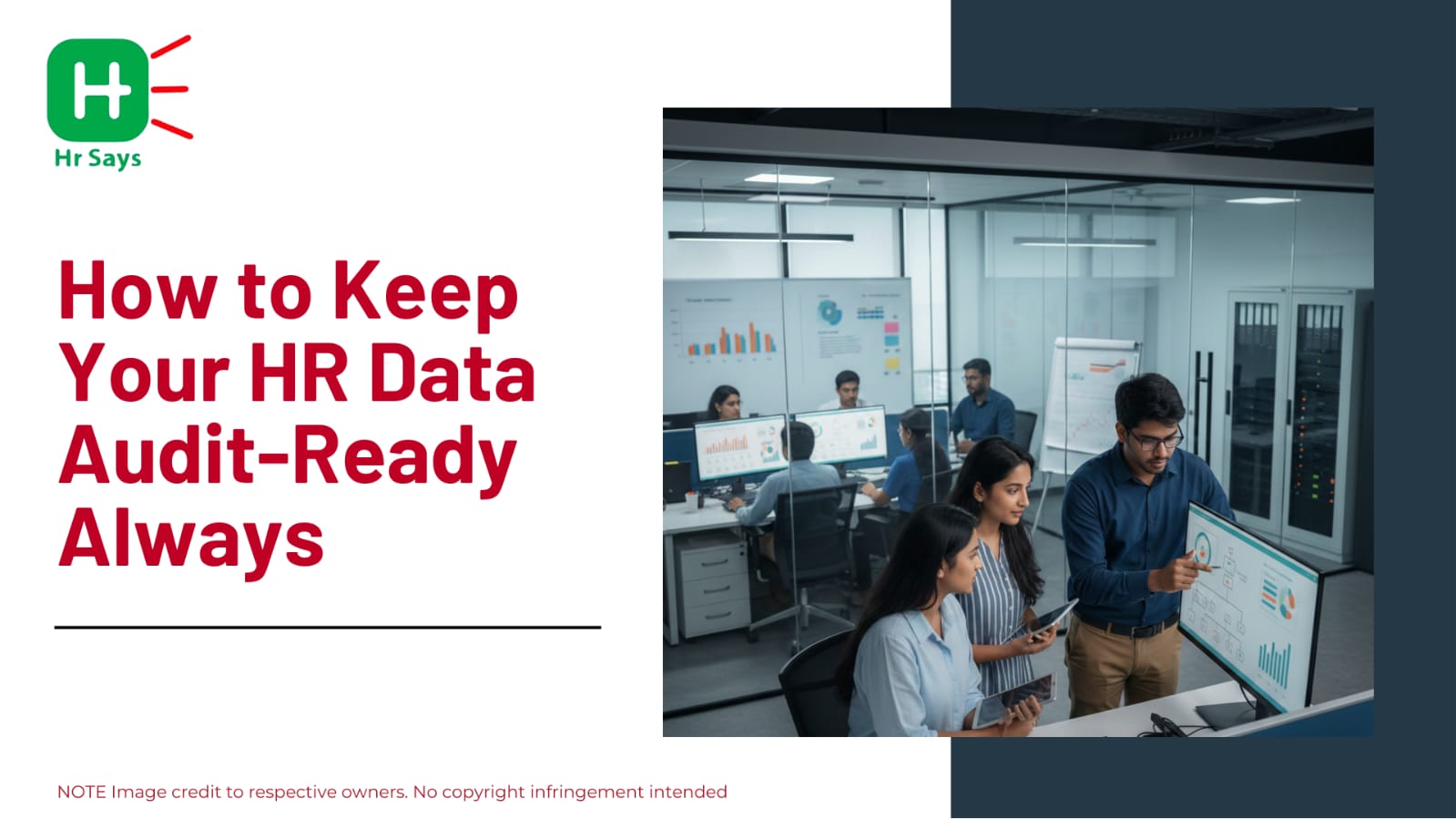
 This blog explained how HR teams can keep data audit-ready through standardisation, automation, strong security, and regular reviews. Practical steps, clear practices, and year-long consistency help maintain compliance with less pressure.




HR teams are a pressure subject when audits are in view. Checks are made on files, loopholes are discovered and overtime rectifications are stressful. This is made easier when all data is maintained clean, structured, and audit-ready on an annual basis.
Why HR Data Needs Constant Readiness
Audit-readiness is not a seasonal basis. It securitises the organisation, enhances compliance and forges trust. The HR data is constantly updated and helps recruit, ensure payroll accuracy, monitor employee lifecycle, and provide transparency in the workplace.
Build a Consistent HR Documentation Culture
Standardise What Gets Recorded
Clear rules create cleaner records. HR teams benefit when documentation remains uniform and predictable.
● Define what counts as a valid HR record
● Identify mandatory fields for employee files
● Maintain naming conventions across platforms
Reduce Manual Errors Through Automation
Modern HR software reduces the risk of missing or outdated information. Routine tasks get completed with fewer mistakes.
● Use automated workflows for onboarding and exits
● Enable reminders for document renewals
● Track real-time employee data updates
Strengthen Data Security and Access Controls
Protect Sensitive Employee Information
Data protection remains a core audit requirement. Access must stay limited and monitored.
● Use role-based access across all HR platforms
● Store documents in secure digital vaults
● Review access logs at frequent intervals
Train Teams to Handle Data Properly
Human error continues to be a leading cause of audit failures. Skill-building helps.
● Conduct short compliance refreshers
● Promote awareness of evolving data privacy rules
● Encourage mindful data handling habits
Maintain a Year-Round Audit Checklist
Review Records in Small Cycles
Small, frequent reviews reduce last-minute pressure.
● Verify employee file completeness
● Cross-check payroll data
● Update compliance documents without delay
Keep Policies Relevant and Updated
Policies shape how data moves within the organisation. They influence audit outcomes.
● Align policies with current labour laws
● Make updates visible to all team members
● Maintain version-controlled documents
Improve Data Quality With Smart HR Tech
Trending HR tech keywords like digital compliance, people analytics, HR automation tools, and intelligent record-keeping remain central to audit success. These solutions support accuracy, reduce redundancy, and help HR teams stay aligned with industry standards.
Conclusion
Audit-ready HR data is a continuous practice. It is shaped by structure, discipline, clarity, and responsible use of HR technology. When processes stay simple and consistent, audits become predictable rather than stressful.